
Table of Contents
Introduction: Why Talk About Urine Smell on Semaglutide?
Semaglutide is a medication used to treat type 2 diabetes and to support weight loss in people who meet certain health criteria. It is found in brand names such as Ozempic, Wegovy, and Rybelsus. Semaglutide works by acting like a natural hormone in the body called GLP-1, which helps control blood sugar, reduces appetite, and slows digestion. Because it affects several systems in the body, people who start using semaglutide often notice physical changes. Some of these changes are expected and well known, such as nausea, reduced appetite, or weight loss. Others feel more surprising, and one question that many people search online is whether semaglutide can change the smell of their urine.
Urine smell is something people tend not to think about until it changes in a noticeable way. When someone starts a new medicine and sees a change in their body around the same time, it is natural to wonder if the two are connected. Search engines show that thousands of people each month ask questions like “Why does my urine smell different on Ozempic?” or “Is strong-smelling urine normal with semaglutide?” These searches suggest that urine odor is a real concern for many users, even though it is not often discussed in brief clinic visits or in short medication guides. For many people, it can be uncomfortable to ask about bodily smells, so they turn to the internet for answers. This article aims to explore the topic in a clear, medically informed way to help people understand what may be happening and when it may matter.
It is important to know that every medication has direct effects and indirect effects. A direct effect comes from how the medicine works in the body. An indirect effect comes from changes the medicine causes in habits or body functions, which then produce other changes. For example, semaglutide directly lowers appetite. But reduced appetite may lead someone to eat less food or drink less water. These changes can then affect urine smell. This is an example of an indirect effect. When people ask why semaglutide might change urine smell, it is usually these indirect effects that offer the clearest explanations. Most of what people notice does not come from the medicine itself entering the urine and creating a smell. Instead, urine odor often reflects hydration level, diet, rate of fat breakdown, or temporary changes in digestion—things that semaglutide can influence in roundabout ways.
Another key reason to examine this topic is that urine odor can sometimes signal an underlying health issue. Not every change is dangerous, but certain smells or other symptoms may point to dehydration, a urinary tract infection, or unusual shifts in metabolism. Because semaglutide affects blood sugar, appetite, and the digestive system, some of these conditions can become more noticeable during treatment. Understanding the difference between harmless changes and those that need attention can help people feel more confident and safer while using the medication.
This article will explore how semaglutide works, how it may lead to changes in hydration and metabolism, and how these factors can alter urine smell. It will also address common causes of strong or unusual urine odors, including those unrelated to the medication. The goal is not to create fear but to provide reliable information in plain language. Many people using semaglutide experience changes in their daily habits, their eating patterns, and the way their bodies process food and stored energy. These changes are expected during treatment, and most of them are temporary. Still, they can feel confusing or surprising if you do not know why they are happening.
By the end of this article, readers should understand the possible reasons behind urine smell changes, how to tell if the change is normal, and when to contact a healthcare provider. This introduction sets the stage for a deeper explanation of the medical science behind odor changes and the practical steps people can take to manage or monitor them. Semaglutide is a powerful tool for blood sugar control and weight management, and understanding the side effects helps people use it safely and with greater confidence.
Can Semaglutide Cause Changes in Urine Smell?
Many people who take semaglutide—whether as Ozempic, Wegovy, or Rybelsus—begin to notice small changes in their bodies as they adjust to the medicine. One common question is whether semaglutide can cause a change in urine smell. Some people report that their urine becomes stronger, sweeter, or different in odor after starting the medication. Because urine odor can suggest many things, people often want to know if the medicine itself is the reason.
To answer this, it helps to look at what scientists know and what they do not yet know. At this time, research has not shown that semaglutide directly changes the smell of urine. That means semaglutide does not appear to act on the kidneys or the bladder in a way that produces new smells. However, the medicine can create conditions in the body that indirectly change how urine smells. These indirect effects are common and may explain why so many people ask about this topic.
Semaglutide Does Not Directly Change Urine Composition
Semaglutide belongs to a group of medicines called GLP-1 receptor agonists. These medicines help regulate blood sugar and appetite. Semaglutide does influence digestion and the body’s response to food, but it does not change how the kidneys filter waste. It also does not contain chemicals that would make urine smell different on their own.
When doctors talk about “direct effects,” they mean a medication that acts on the kidneys or the urinary tract. Semaglutide does not have this kind of action. So, if urine odor changes happen, they usually come from something else happening in the body while the person is taking semaglutide.
Why Changes Can Still Happen: Indirect Effects
Although semaglutide does not work directly on the kidneys, it can cause changes in a person’s habits, diet, hydration, and metabolism. All these areas can affect urine smell. For example:
- It may reduce appetite.
- It can cause nausea or vomiting.
- It often leads to weight loss.
- It may change how the body uses fat and energy.
- It may lead to lower fluid intake for some people.
Each one of these changes can influence what the body releases in the urine.
Dehydration and Strong-Smelling Urine
One of the most common indirect causes is dehydration. Semaglutide often reduces appetite, and for some people, it also reduces thirst. If someone drinks less water, their urine can become more concentrated. Concentrated urine has a stronger, sharper smell because the waste chemicals in the urine are less diluted.
People who experience nausea may also drink less, which adds to the problem. Even mild dehydration can make urine look darker and smell stronger, so this is one of the first explanations doctors consider.
Changes in Diet and Digestion
Semaglutide changes how full a person feels, which affects how much and what they eat. Eating less food, eating more protein, or eating different types of foods can all change the smell of urine.
For example:
- A high-protein diet can make urine smell like ammonia.
- A low-carb diet can increase ketones, which can make urine smell fruity or sweet.
- Some foods—like asparagus, garlic, coffee, and vitamins—can cause urine to smell stronger and may become more noticeable when appetite patterns shift.
Because semaglutide often leads to weight loss, some people naturally eat fewer carbohydrates. This can push the body into a mild fat-burning state, which also affects urine odor.
Fat Breakdown and Ketones
During weight loss, especially rapid weight loss, the body burns fat for energy. When fat breaks down, the body creates “ketones.” Ketones are chemicals that leave the body through urine and breath. These chemicals can give urine a fruity, sweet, or acetone-like smell.
Semaglutide itself does not create ketones. However, because it can cause reduced appetite and weight loss, ketone production is more likely. This is one of the reasons why some people say their urine smells different after starting semaglutide.
Other Factors Not Related to the Medication
Sometimes the change in urine smell has nothing to do with semaglutide at all. Urine odor can also change due to:
- Mild infections
- Certain foods
- Vitamins or supplements
- Dehydration from exercise
- Changes in blood sugar
When people start a new medicine, they become more aware of their body changes, which may make them notice normal variations they might not have paid attention to before.
Semaglutide does not directly change urine smell, but it can create indirect changes through dehydration, diet shifts, and weight loss. These changes can affect urine concentration, ketone levels, and the types of foods and nutrients the body processes. Because of this, many people notice new or stronger urine odors while on the medication. Most of these changes are not harmful, but strong or unusual odor combined with other symptoms should be discussed with a healthcare provider.
How Semaglutide Works in the Body: Mechanisms Linked to Urinary Changes
Semaglutide is a medication used for type 2 diabetes and weight management. It is sold under names such as Ozempic, Wegovy, and Rybelsus. To understand why some people notice changes in urine smell while taking semaglutide, it helps to understand how the drug works inside the body. Semaglutide does not directly control the kidneys or the urinary system. Instead, it affects hormones, digestion, blood sugar, and metabolism. These changes can indirectly influence how the body produces urine and what gets filtered out into urine.
This section explains these processes step by step so that you can better understand how semaglutide might lead to changes in urine smell.
Semaglutide Imitates a Natural Hormone Called GLP-1
Semaglutide is part of a group of medicines called GLP-1 receptor agonists. GLP-1 is a natural hormone your body makes in the gut after you eat. Its job is to help control blood sugar and signal fullness.
Semaglutide copies the actions of GLP-1 by attaching to the same receptors in many parts of the body, including:
- The pancreas, where insulin is released
- The stomach, where food digestion slows down
- The brain, where appetite and hunger signals come from
- The liver, where sugar is stored and released
None of these actions are meant to change urine smell. But the way your body responds to these changes may still affect the smell of urine for several reasons.
How Semaglutide Affects Blood Sugar Levels
One of the main jobs of semaglutide is to help lower blood sugar. It does this by:
- Increasing insulin release when blood sugar is high
- Reducing the liver’s release of stored sugar
- Slowing digestion so that sugar enters the bloodstream more slowly
When blood sugar becomes more stable, the kidneys also filter fewer excess sugars. This usually reduces the chance of sweet-smelling urine. But in people who have changes in their eating habits or hydration levels, the kidneys may process different byproducts that can influence smell.
For example, if a person eats less or skips meals due to reduced appetite, the body may burn more fat for energy. This produces ketones, which may cause a fruity or sweet odor in urine.
Effects on Digestion and Stomach Emptying
Semaglutide slows the speed at which food moves from the stomach into the intestines. This is known as delayed gastric emptying. It helps with appetite control and can support weight loss.
But slowed digestion also changes how nutrients and food byproducts break down. When less food is eaten or when digestion slows, the body may:
- Break down more fat or protein for energy
- Produce more ammonia-like waste products
- Release compounds that are later filtered out through the kidneys
These changes do not happen in everyone, but they may contribute to urine odor differences for some people.
Impact on Appetite and Eating Patterns
Many people taking semaglutide report eating less because they feel full sooner or have less desire to eat. Eating fewer calories can change metabolism in several ways.
For example:
- Lower calorie intake can lead the body to use fat stores for energy.
- If the diet becomes higher in protein, more nitrogen waste may be produced.
- If fewer carbohydrates are eaten, the body may go into mild ketosis.
Both protein breakdown and ketosis can lead to urine odor changes. These changes are related to nutrition, not directly caused by the drug. But since semaglutide often reduces appetite, these effects may appear during treatment.
Liver and Metabolic Effects
The liver plays a major role in metabolism. Semaglutide helps lower blood sugar partly by calming liver sugar production. As the liver adjusts to new hormone signals and possibly to rapid weight loss, the body may release different metabolic byproducts.
These byproducts may include:
- Ketones (from fat burning)
- Urea and ammonia (from protein breakdown)
- Other organic compounds filtered by the kidneys
If more of these substances are present in the blood, they will appear in urine and may affect its smell.
How These Mechanisms Connect to Urine Smell Changes
Semaglutide does not directly change urine smell. But the medication can influence:
- How much a person eats
- How the body digests food
- How quickly weight loss happens
- How well-hydrated a person is
- Which energy sources (fat, carbs, or protein) the body uses
All of these factors affect what the kidneys filter into the urine.
Someone who becomes slightly dehydrated may notice stronger-smelling urine. Someone losing fat quickly may notice fruity or sweet odors. Someone eating more protein or fewer carbohydrates may notice sharper or ammonia-like smells.
The key point is that these changes are indirect. They happen because the body is adapting to new habits, digestion patterns, or energy needs.
Semaglutide works by copying a natural hormone that helps control blood sugar, appetite, and digestion. These changes can indirectly affect urine smell by altering metabolism, hydration, digestion, and the breakdown of fat or protein. The medication itself does not create a new smell in the urine. Instead, the body’s response to weight loss, lower calorie intake, and shifting energy sources may lead to changes that some people notice.

The Role of Dehydration: A Common and Overlooked Cause of Strong Urine Odor
Dehydration is one of the most common reasons people notice stronger or unusual urine smells while taking semaglutide. While many people think the medication itself is causing the odor, dehydration is often the actual cause. Semaglutide can indirectly make dehydration more likely because it affects appetite, digestion, and the way your body handles fluids. In this section, we will look at why dehydration happens, how it changes urine smell, what signs to look for, and why proper hydration matters while using semaglutide.
How Semaglutide May Lead to Dehydration
Semaglutide works by slowing digestion, reducing appetite, and helping the body manage blood sugar. These effects can help with weight loss and glucose control, but they can also make it easier to drink less water without noticing. Several factors contribute:
Reduced Thirst
Many people taking semaglutide naturally eat less food. Because food contains water, eating less often means drinking less as well. Some people also report a lower sense of thirst, so they may not drink enough during the day.
Nausea or Vomiting
Nausea is one of the most common side effects of semaglutide. If someone feels sick to their stomach, they may avoid drinking. Vomiting can also cause a direct loss of fluids and electrolytes. Even mild nausea over several days can reduce fluid intake and lead to dehydration.
Diarrhea or Loose Stools
Some users experience diarrhea, especially when increasing the dose. Diarrhea removes both water and salts from the body. If fluids are not replaced, dehydration can develop quickly.
Eating Less Food
Food naturally provides water and electrolytes. When someone reduces their calorie intake, especially by a large amount, they may accidentally reduce their total fluid intake as well.
These factors show that dehydration does not come from semaglutide directly. Instead, the medication’s effects on appetite and digestion make dehydration more likely.
How Dehydration Changes Urine Odor
Urine odor is strongly tied to the amount of water in the body. When someone is well-hydrated, urine is lighter in color and has a mild smell. When they are dehydrated, the kidneys hold on to water. This causes urine to become more concentrated.
Concentrated urine has:
- Stronger smell
- Darker yellow or amber color
- More waste products in a smaller amount of liquid
These waste products, such as urea and ammonia, naturally have strong odors. When water is low, the smell becomes much more noticeable. Many people describe dehydrated urine as sharp, sour, or ammonia-like. This can happen even if nothing about their diet or medication has changed. Because semaglutide can increase the chance of dehydration, this effect on urine is very common.
Signs and Symptoms of Dehydration
It is important to recognize dehydration early. Some signs include:
- Dark yellow or strong-smelling urine
- Dry mouth or dry lips
- Headache
- Dizziness, especially when standing
- Feeling tired or weak
- Lower urine output
- Constipation
More serious dehydration may cause a rapid heartbeat, confusion, or a drop in blood pressure. These symptoms require medical attention.
Why Staying Hydrated Matters for Urine Odor and Overall Health
Proper hydration helps keep urine diluted, which naturally reduces odor. But hydration also supports many other body functions while taking semaglutide:
- Maintains kidney health
- Supports digestion and prevents constipation
- Helps reduce nausea
- Prevents dizziness and headaches
- Supports healthy metabolism during weight loss
When the body is losing fat, it produces waste products that must be filtered through the kidneys. Without enough water, these waste products become more concentrated in the urine, which may make the smell even stronger.
Simple Ways to Improve Hydration
Here are practical steps that may help reduce urine odor linked to dehydration:
- Drink water regularly throughout the day, not just when thirsty.
- Aim for pale yellow urine as a general hydration guide.
- Sip small amounts of fluid if nausea occurs.
- Choose water-rich foods like fruits, vegetables, or broth-based soups if eating less.
- Avoid excessive caffeine, as it may increase fluid loss.
These steps can help balance the body’s hydration needs while using semaglutide.
Dehydration is one of the most common reasons for strong or unusual urine smells in people taking semaglutide. The medication can reduce appetite, slow digestion, and sometimes cause nausea or diarrhea—all of which make dehydration more likely. When the body lacks water, urine becomes concentrated and gains a stronger odor. Watching for dehydration symptoms and staying properly hydrated can help reduce urine odor and support overall health while using semaglutide.
Weight Loss, Fat Metabolism, and Ketone Production
Semaglutide often leads to steady and sometimes significant weight loss. This is one of the main reasons the medication is prescribed for people with obesity or with medical conditions related to excess weight. But weight loss does not only change how the body looks—it also changes how the body uses energy. These internal changes can affect the way urine smells. To understand why this happens, it helps to look at how the body burns fat, what ketones are, and how they might change the odor of urine.
How the Body Uses Energy During Weight Loss
When a person begins losing weight, the body shifts the way it produces energy. Normally, your body uses carbohydrates—especially glucose—as its first choice for fuel. But when calorie intake drops or appetite decreases, as often happens with semaglutide, your body may not get enough glucose from food. When this happens, the body turns to stored fat.
Fat is broken down in a process called lipolysis. This process releases fatty acids, which your liver then converts into ketones. Ketones work as an alternative energy source, especially for the brain and muscles. This process is safe for most people, but it can create noticeable side effects, including changes in urine odor.
What Ketones Are and Why They Matter
There are three main ketones the body produces:
- Acetoacetate
- Beta-hydroxybutyrate
- Acetone
Acetone is especially important when talking about urine smell. It is the same chemical used in nail polish remover, and it has a strong, sweet, or fruity scent. This same scent can show up in your breath or urine when ketone levels rise.
People taking semaglutide may produce more ketones because they are eating less, losing weight, or shifting to fat-burning more often. This is not unusual, especially during the first several weeks of treatment or when the dose increases.
Why Ketones Affect Urine Smell
When the body produces ketones, not all of them get used for energy. Extra ketones leave the body through urine and breath. This is why some people notice:
- Fruity urine smell
- A sweet odor
- An acetone-like scent
Because ketones are removed through the kidneys, urine becomes one of the easiest places to detect these changes.
The odor usually becomes more noticeable when:
- Meals are skipped
- Appetite drops suddenly
- Carbohydrate intake is low
- Weight loss happens quickly
- Water intake is too low
All of these are common experiences for people starting semaglutide.
Ketosis vs. Ketoacidosis: Know the Difference
It is important to understand the difference between normal ketosis and diabetic ketoacidosis (DKA) because both can change urine smell, but they are not the same.
Normal Ketosis
This is the process described above. It happens during weight loss or when someone eats fewer carbohydrates. Ketosis usually causes mild symptoms, such as:
- Fruity breath or urine
- Slight increase in thirst
- Changes in appetite
Ketosis is not dangerous for most healthy individuals. The urine smell caused by normal ketosis usually goes away as the body adjusts.
Diabetic Ketoacidosis (DKA)
DKA is a medical emergency. It occurs when ketones rise to very high levels and the blood becomes too acidic. This happens mostly in people with type 1 diabetes, but it can also occur in people with type 2 diabetes who have uncontrolled blood sugar.
Signs of DKA include:
- Strong fruity breath
- Nausea and vomiting
- Fast breathing
- Very high blood glucose
- Severe thirst and dehydration
- Confusion or fatigue
Semaglutide itself does not cause DKA. But people with diabetes need to be aware of the symptoms, especially if they are taking other medications that affect insulin.
How Rapid Weight Loss Makes Odor Stronger
The faster the body burns fat, the more ketones it may produce. This is why people who lose weight quickly may notice a stronger urine smell than those losing weight more slowly. Semaglutide often reduces appetite, which can lead to sudden changes in eating habits. If the body does not receive enough calories or carbohydrates, ketone production increases.
Hydration plays a major role as well. When someone drinks less water—often due to nausea or reduced thirst on semaglutide—ketones become more concentrated in the urine. Concentrated ketones equal stronger odor.
Weight loss on semaglutide changes how the body burns energy. As the body shifts from using glucose to using fat, it produces ketones. These ketones can create a fruity or acetone-like smell in urine. This is usually normal and expected during fat loss. The odor often becomes stronger with quick weight loss, low carbohydrate intake, or dehydration. Most people adjust over time, and the smell becomes less noticeable. However, anyone with diabetes or symptoms of severe illness should seek medical care to rule out serious conditions like diabetic ketoacidosis.
Gastrointestinal Effects That May Influence Urine Smell
Semaglutide affects the gastrointestinal (GI) system in several ways. These changes are helpful for blood sugar control and weight loss, but they can also lead to shifts in how the body digests food, breaks down nutrients, and removes waste. While semaglutide does not directly change urine smell, the changes in the GI system can create conditions that affect how urine smells from day to day. Understanding these effects can help explain why some people notice stronger, sour, ammonia-like, or unusual urine odors when they take semaglutide.
Slower Digestion and Less Food Intake
One of the main effects of semaglutide is delayed gastric emptying. This means food stays in the stomach longer before moving to the intestines. Because digestion slows down, many people feel full more quickly and may eat much less than usual.
Eating less food can influence urine smell in a few ways:
- Less fluid from food: Many foods, especially fruits and vegetables, carry water. When people eat less, they may also take in less water. This can lead to slightly concentrated urine, which naturally smells stronger.
- More time between meals: Longer gaps between meals can cause the body to rely more on stored energy. When this happens, the body may break down fat or protein for fuel, which can change the chemical makeup of urine.
- Changes in digestive byproducts: Slower digestion can alter how nutrients are absorbed and how waste products form, affecting what the kidneys remove through urine.
While these changes are normal effects of semaglutide, they can still influence urine odor without anything being medically wrong.
Protein Breakdown and Ammonia-Like Smells
Some people notice an ammonia-like smell in their urine while taking semaglutide. This smell often comes from the body breaking down protein when food intake is low or uneven.
Here is why this happens:
- Reduced appetite may cause people to skip meals or eat fewer total calories.
- When the body does not receive enough carbohydrates for energy, it may break down muscle protein.
- When protein breaks down, it produces nitrogen-based waste products.
- The kidneys remove these wastes through urine, which can lead to a strong or ammonia-like smell.
This does not mean semaglutide is damaging the kidneys. Instead, it usually reflects changes in eating habits. Many patients unintentionally eat more protein than carbohydrates during periods of nausea or low appetite, which makes the effect stronger.
People on high-protein diets may also notice this smell more often. Semaglutide users who rely heavily on protein shakes or lean meats because these foods feel easier to eat may experience it as well.
Changes in the Gut Microbiome
The gut microbiome refers to the community of bacteria that live in the digestive tract. These bacteria help break down food, support digestion, and produce certain chemicals that leave the body through stool, breath, or urine.
Research shows that weight loss, diet changes, and reduced food intake can shift the balance of bacteria in the gut. When the microbiome changes, certain metabolic byproducts may increase or decrease. Some of these byproducts can circulate in the bloodstream and be filtered into the urine.
Examples include:
- Short-chain fatty acids
- Amino acid byproducts
- Sulfur-containing compounds
These compounds can affect urine odor, sometimes making it smell stronger, sour, or unusual. Semaglutide does not directly change the microbiome, but the reduced appetite and altered eating patterns that come with the medicine can influence it.
GI Symptoms That Affect Hydration and Urine Concentration
Common semaglutide GI side effects include nausea, vomiting, and diarrhea. These symptoms can reduce appetite and fluid intake. When fluid levels drop, urine becomes more concentrated. Concentrated urine always smells stronger, no matter the cause.
Even mild dehydration—such as drinking less water because you feel full, queasy, or uninterested in drinking—can create noticeably sharper or darker-colored urine.
Some GI symptoms that contribute to dehydration include:
- Vomiting, which causes fluid loss
- Diarrhea, which removes both fluid and electrolytes
- Reduced thirst signals
- Early fullness that prevents people from drinking enough water
These factors do not come from semaglutide directly changing urine odor. Instead, they create a situation where normal urine smells more intense.
Semaglutide affects the gastrointestinal system in ways that can indirectly influence urine smell. Slowed digestion, reduced appetite, dehydration, protein breakdown, and changes in the gut microbiome can all play a role. These changes are usually expected and temporary. Most urine odor differences come from dehydration or shifts in diet, not from the medication itself. Paying attention to hydration, balanced meals, and regular eating habits can help reduce these effects.
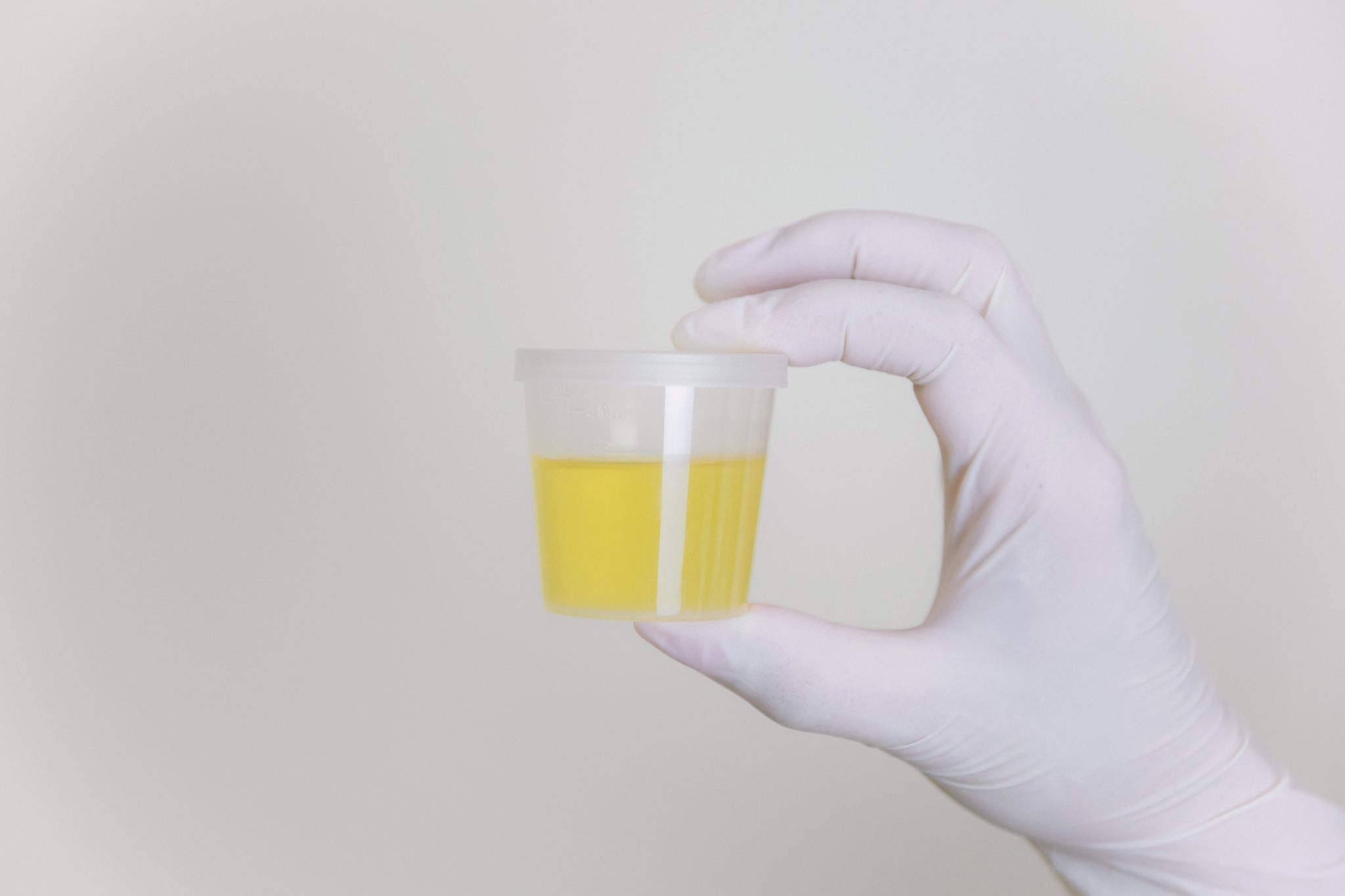
Dietary Factors That Interact With Semaglutide and Affect Urine Odor
Many people notice changes in the smell of their urine while taking semaglutide, and diet is one of the most common reasons for these changes. Even though semaglutide itself does not directly change how urine smells, the medication often leads to major shifts in eating patterns, appetite, and hydration. These changes can influence the chemicals your body processes and removes through urine. Understanding how food choices, supplements, and eating habits interact with semaglutide can help explain why urine odor may become stronger, sweeter, or more unusual than normal.
High-Protein Diets and Ammonia-Like Urine Odor
Some people eat more protein while taking semaglutide because they want to support weight loss or preserve muscle. Others may eat mostly protein because their appetite is low, and protein foods feel easier to tolerate. When your body breaks down protein, it produces nitrogen waste. Your kidneys remove this waste, which can give your urine a strong, ammonia-like smell.
A high-protein diet can intensify this smell, especially when combined with dehydration. Semaglutide often reduces thirst and appetite, which makes it easier to become mildly dehydrated. When urine becomes more concentrated, the ammonia smell becomes even stronger. This combination—more protein and less fluid—can lead to a noticeable change in urine odor.
Low-Carb or Ketogenic Eating Patterns
Some people use low-carb or ketogenic diets during semaglutide treatment to increase weight loss. When you eat very few carbohydrates, your body switches to fat as its main source of energy. During this process, it produces ketones. These ketones leave the body in both breath and urine. They can give urine a fruity, sweet, acetone-like, or “nail polish remover” smell.
This odor is not usually harmful and is simply a sign that the body is burning fat. However, the smell may become stronger if someone is losing weight quickly, skipping meals, eating very little, or not drinking enough water. All of these situations are common when starting semaglutide.
Foods Known to Naturally Change Urine Smell
Several foods produce strong-smelling byproducts when the body breaks them down. These byproducts pass into urine and can create noticeable odors. Common examples include:
- Asparagus: causes a sulfur-like smell due to natural sulfur compounds.
- Coffee: can create a strong, bitter, or “roasted” smell.
- Garlic and onions: break down into sulfur compounds that may pass into urine.
- Spices like curry or cumin: may create a warm, earthy odor.
- Fish, especially salmon or tuna: can produce a sharp smell when digested.
On semaglutide, many people eat smaller meals or choose only certain foods that feel comfortable. This narrower diet makes it easier to notice the odor effects of particular foods because there is less variety to dilute these smells.
Supplements and Vitamins That Affect Urine Odor
Supplements can also play a major role. The most common are:
- Vitamin B6 and B-complex vitamins, which can make urine smell strong or produce a bright yellow color.
- Protein shakes or amino acid supplements, which add extra nitrogen to the body and may cause an ammonia-like odor.
- Multivitamins, which may create a metallic or vitamin-like smell.
People on semaglutide sometimes turn to supplements to help maintain nutrition when their appetite is low, making these odor changes more likely.
Reduced Appetite and Its Impact on Urine Smell
Semaglutide often causes people to eat less than before. While this helps with weight loss, it can also change how urine smells in several ways:
- More fat burning: Less food intake can push the body into mild ketosis, which changes urine odor.
- Less water intake: Drinking less concentrates urine, making existing smells stronger.
- Irregular eating: Long gaps between meals force the body to break down stored fat and protein, each of which produces distinct waste products.
These changes are normal responses to reduced appetite but can be surprising if you are not expecting them.
Diet plays a major role in how urine smells during semaglutide treatment. High-protein meals can cause ammonia-like odors. Low-carb or ketogenic eating can create fruity or acetone-like smells due to ketones. Certain foods, vitamins, and supplements also have natural odor effects that may become more noticeable when appetite is low or when hydration levels drop. Because semaglutide changes the way people eat and drink, these dietary factors often explain most urine odor changes. Staying aware of what you eat and drink can help you understand and manage these effects.
Urinary Tract and Kidney Considerations
Changes in urine smell while taking semaglutide can be confusing. Many people wonder if the odor is coming from the medication or from something else happening in the body. Urine smell is influenced by several systems, especially the urinary tract and the kidneys. These organs help remove waste, balance fluid levels, and filter substances from the blood. When something affects these systems, the smell of urine may change even if the medication itself is not the direct cause. This section explains how the urinary tract and kidneys work, how semaglutide may indirectly affect them, and how to tell when odor changes may signal a separate medical issue.
How the Urinary Tract Works and Why Odor Can Change
The urinary tract includes the kidneys, ureters, bladder, and urethra. These organs filter blood, make urine, store it, and release it. Urine naturally contains water, minerals, salts, and waste products. A mild smell is normal. But when bacteria, concentrated waste, or certain chemicals increase, the smell can become strong.
Semaglutide does not harm the urinary tract or directly change how kidneys work. Instead, most odor changes related to semaglutide are indirect, such as from dehydration, changes in diet, or increased fat breakdown. Even so, it is important to know that urinary tract infections (UTIs), kidney irritation, or metabolic changes can occur in anyone, whether or not they take semaglutide. Understanding these conditions can help you know when to seek medical care.
Urinary Tract Infections (UTIs) and Their Symptoms
UTIs are among the most common causes of foul-smelling urine. They occur when bacteria grow in the bladder or urethra.
A UTI often causes:
- Strong or foul urine smell
- Burning or pain while urinating
- A frequent urge to urinate
- Cloudy or bloody urine
- Pelvic pressure or discomfort
When someone taking semaglutide reports a new urine odor, a UTI is one of the first conditions that must be ruled out—not because the medication causes UTIs, but because they are common and easy to confuse with medication-related changes. A UTI usually needs antibiotics, so it is important not to ignore these symptoms.
Kidney Function and Dehydration
The kidneys need enough water to filter the blood. Semaglutide can cause nausea, vomiting, reduced appetite, and lower fluid intake in some people. All of these can lead to dehydration, which causes kidneys to produce concentrated urine. This makes the urine appear darker and smell stronger, often with an ammonia-like odor.
Mild dehydration can usually be corrected by drinking more fluids. But severe dehydration can stress the kidneys, reduce urine output, and increase waste concentration in the urine.
Signs of more serious dehydration include:
- Very dark urine
- Dizziness or fast heartbeat
- Dry mouth and low urine volume
- Extreme fatigue
If someone taking semaglutide feels unable to keep fluids down or develops severe dehydration, they may need medical care to protect kidney function.
Sweet or Fruity Odor and Glucose in the Urine
Some people wonder if semaglutide can cause a sweet or fruity smell in urine. Semaglutide itself does not do this. However, a sweet smell can appear when glucose spills into the urine, which happens in uncontrolled diabetes or very high blood sugar levels. This is known as glycosuria.
A fruity smell, similar to acetone or nail polish remover, may occur when the body produces high levels of ketones. This can happen during rapid weight loss, low-carb dieting, or in rare cases of diabetic ketoacidosis (DKA), which is a medical emergency.
If sweet or fruity urine smell is accompanied by symptoms such as thirst, nausea, vomiting, confusion, or rapid breathing, medical attention is needed right away.
When Urine Smell Suggests a Condition Unrelated to Semaglutide
Not all urine odor changes are linked to kidney problems or UTIs. Other possible causes include:
- Bladder irritation from dehydration
- Kidney stones, which can add minerals and bacteria to urine
- Liver or metabolic conditions that change chemical breakdown
- Vaginal infections, which sometimes change perceived urine odor
Because these problems can occur in anyone, it is important not to assume semaglutide is the cause of any change in urine smell.
Urine smell changes while taking semaglutide are usually caused by indirect factors, such as dehydration, diet, or weight loss. But the urinary tract and kidneys also play a major role in how urine smells. Conditions like UTIs, kidney irritation, high blood sugar, or ketone buildup can create new or stronger odors that may seem related to the medication even when they are not. Knowing the warning signs—such as burning during urination, strong ammonia odor, fruity smell, fever, or severe dehydration—can help you decide when to seek medical care. Understanding these possibilities allows you to respond safely and avoid overlooking a medical issue that needs attention.
Medication Interactions and Co-Existing Health Conditions
When people notice a change in urine smell while taking semaglutide, they often wonder if the medication is the only reason. In many cases, semaglutide is only one part of the picture. Other medications, supplements, or health conditions can change how the body filters waste, breaks down nutrients, and removes chemicals. These changes can make urine smell stronger, sweeter, more acidic, or more ammonia-like. Understanding these factors can help people know what is normal and what may need medical attention.
Other Medications That May Affect Urine Smell
Some medications can change urine smell by affecting kidney function, hydration, or how the body processes nutrients. When these medications are taken at the same time as semaglutide, the effects can combine.
Diuretics (“water pills”)
Diuretics help the body remove extra fluid. They are common in people with high blood pressure or heart conditions. Because they increase urine output, they can also increase the risk of dehydration. Dehydration often makes urine darker and stronger smelling. When a person taking semaglutide also takes a diuretic, dehydration may happen more easily, especially if semaglutide causes nausea or reduces drinking. This combination can lead to a sharp or concentrated urine odor.
Certain antibiotics
Some antibiotics naturally have a strong smell. Others change the balance of bacteria in the gut. Both of these effects may lead to temporary urine odor changes. If a person is taking semaglutide and an antibiotic at the same time, it may be hard to tell which medication is causing the smell. In most cases, these changes resolve a few days after stopping the antibiotic.
Vitamins and supplements
High-dose vitamins, especially B vitamins, can give urine a strong or unusual smell. Some supplements that contain herbs or amino acids can do the same. Many people take vitamins or supplements for energy or weight loss while using semaglutide. These products may play a larger role in urine odor changes than the semaglutide itself.
Other medications for diabetes
Medicines such as SGLT2 inhibitors (for example, canagliflozin or empagliflozin) work by helping the kidneys release extra sugar into the urine. This can make urine smell sweet or fruity. When these medicines are taken with semaglutide, the sweet smell may be more noticeable because there is more glucose in the urine.
Co-Existing Health Conditions That Influence Urine Smell
Certain health conditions can change urine smell on their own. When combined with semaglutide, the effects may appear stronger or more noticeable. Knowing these conditions can help people understand what may be happening in their body.
Diabetes and high blood sugar
People with diabetes may have sugar in their urine, especially when their blood sugar is high. Urine with glucose can smell sweet or fruity. Semaglutide often improves blood sugar, but during dose changes or illness, levels may rise temporarily. A sweet smell should be monitored, especially if it comes with high blood sugar readings, thirst, or fatigue.
Kidney conditions
The kidneys filter waste from the blood. If the kidneys are stressed or not working well, waste products may build up. This can give urine a strong smell or change how often a person needs to urinate. Dehydration from semaglutide can place extra strain on the kidneys, making these smells more noticeable.
Dehydration from other causes
People with vomiting, diarrhea, fever, or heavy sweating lose fluids quickly. If this happens while taking semaglutide, urine odor can become strong even without other medications or conditions. Dehydration also increases the risk of dizziness, headaches, and dark urine.
Diet-related conditions
Low-carb or ketogenic diets create more ketones. Ketones have a fruity or acetone-like smell when they leave the body. Many people on semaglutide eat less, or eat fewer carbohydrates, which can increase ketone production. Conditions like fatty liver disease or rapid fat breakdown can make this effect stronger.
Infections
Urinary tract infections (UTIs) and some vaginal infections can cause very strong, foul-smelling urine. These smells are unrelated to semaglutide but may appear while taking it. Signs of a UTI include burning, urgency, fever, or cloudy urine. These symptoms should be checked by a healthcare provider.
Many factors besides semaglutide can change the smell of urine. Other medications—such as diuretics, antibiotics, vitamins, and diabetes drugs—can alter urine odor directly or indirectly. Health conditions, including diabetes, kidney problems, dehydration, infections, and diet-related changes, can also play a role. Understanding these influences helps people identify when urine odor changes are expected and when they may signal a medical issue that needs attention.

How Long Do Urine Smell Changes Last on Semaglutide?
Changes in urine smell can be confusing and sometimes concerning for people who start semaglutide. Many want to know how long these changes last and whether the odor will return to normal. The answer is not the same for everyone, but there are clear patterns based on how the body reacts to the medicine, how fast a person loses weight, how well they stay hydrated, and whether they have other health conditions.
This section explains each factor in simple, clear language so you know what to expect.
The Adaptation Period During Dose Escalation
Semaglutide is usually started at a low dose. Then the dose is increased slowly over several weeks or months. This helps reduce side effects such as nausea, vomiting, and appetite changes. During this period of dose increases, many people notice temporary changes in how their urine smells.
There are a few reasons for this:
- Your appetite may drop, so you eat less.
- You may drink less water, especially if you feel full or nauseated.
- Your body may shift into fat-burning mode, especially early in treatment.
Because of these changes, urine may smell stronger, sweeter, more ammonia-like, or more “chemical” at times.
For most people, urine odor changes appear within the first 2–8 weeks and tend to improve once their body adjusts to the new dose. As your appetite and hydration level become more stable, the smell of your urine often becomes more normal again.
Weight Loss Pace and Its Effect on Urine Smell
Semaglutide often causes steady weight loss. In some people, especially at higher doses, the weight loss may be faster. When the body burns fat for energy, it produces ketones. These ketones leave the body through breath and urine. This can create a fruity, sweet, or acetone-like smell.
The length of time this odor lasts depends on how long the body stays in a strong fat-burning state. Factors include:
- How fast you are losing weight
- Whether you eat fewer carbohydrates
- Whether you eat fewer total calories
- How active you are
People who lose weight quickly may notice a stronger ketone smell that can last for several weeks or longer, especially early in treatment. If weight loss slows down later on, the smell may fade on its own.
Some people stay in mild ketosis for months, especially if they eat very little due to reduced appetite. For these people, a mild fruity or sweet smell in the urine may continue for a longer time.
Hydration Habits and Their Impact on Duration
Hydration is one of the biggest factors in how long urine odor changes last.
When you drink less water:
- Your urine becomes darker
- Waste products become more concentrated
- Odors become stronger and last longer
If nausea or fullness makes it hard to drink enough, the smell can continue until hydration improves.
For many people, improving hydration can reduce urine odor within a few days. For others, especially those who struggle with nausea or vomiting, it may take longer for urine odor to return to normal.
Other Health Conditions That Can Prolong Urine Odor Changes
Some people have health conditions that affect urine smell, and these can make odor changes last longer while on semaglutide. Examples include:
- Diabetes, which can cause sugar to spill into urine
- Urinary tract infections, which can cause strong or foul odors
- Kidney issues, which affect how waste is filtered
- High-protein diets, which can increase ammonia-like smells
If any of these conditions are present, urine odor changes may last longer than expected, even if semaglutide is not the direct cause.
When Urine Odor Changes Usually Return to Normal
Most people notice improvement once:
- Their dose stops increasing
- Their body adjusts to the medicine
- Their weight loss slows down
- They stay well hydrated
- Diet becomes more balanced
For many, urine smell returns to normal within a few weeks to a few months. For others, mild changes may come and go based on hydration, diet, or ongoing weight loss.
Changes in urine smell on semaglutide are usually temporary. They often occur during the first few months of treatment when the dose is increasing and weight loss is strongest. Hydration, diet, and other health conditions can affect how long the odor lasts. In most cases, the smell improves as the body adjusts, weight loss stabilizes, and hydration increases. If the odor is very strong, lasts many months, or comes with other symptoms, a healthcare provider should evaluate it.
When to Contact a Healthcare Provider
Most people taking semaglutide will not have serious urine changes. Many urine odor changes are mild and short-term. They may happen because of common issues like dehydration or changes in eating. However, new or unusual urine smells can sometimes be a sign of a medical problem. Knowing when to contact a healthcare provider is important. It helps protect kidney health, urinary health, and metabolic health.
This section explains clear situations where medical advice is needed, what symptoms to watch for, and what a healthcare provider may do during evaluation.
When New or Strong Urine Smell Needs Medical Attention
A change in urine smell does not always mean something serious. But it should be checked if:
- The urine odor becomes strong, foul, or unusual and does not improve with hydration.
- The odor appears suddenly without a clear cause, such as new foods or supplements.
- You notice a major change in urine smell after increasing your semaglutide dose.
These changes may be harmless, but they can also be linked to infection, dehydration, or high ketone levels. If you are unsure, it is safer to ask a medical professional.
Signs of Possible Urinary Tract Infection (UTI)
UTIs are common and can change the way urine smells. Urine may smell sour, fishy, or foul. Other symptoms may include:
- Burning or pain when urinating
- Frequent urge to urinate with little output
- Cloudy or dark urine
- Pelvic or lower abdominal pressure
- Fever or chills
UTIs need medical assessment. Sometimes they require a urine test and antibiotics. Untreated infections can spread to the kidneys and become serious.
Contact a healthcare provider right away if urine odor comes with fever, back pain, nausea, or vomiting. These may be signs of a kidney infection.
When Fruity, Sweet, or Acetone-Like Urine Smell Is Concerning
Some people notice a fruity or sweet urine odor while losing weight. This may be linked to ketones, which are chemicals produced when the body uses fat for energy.
A mild ketone smell may happen during weight loss. However, fruity urine odor can also be a warning sign of:
- High blood sugar
- Uncontrolled diabetes
- Diabetic ketoacidosis (DKA)
DKA is a medical emergency. It is more common in people with Type 1 diabetes but can occur in Type 2 diabetes, especially if dehydrated or ill.
Seek urgent care if fruity urine odor occurs with:
- Extreme thirst or dry mouth
- Deep or rapid breathing
- Confusion or unusual fatigue
- Nausea, vomiting, or stomach pain
- Very high blood sugar levels
People with diabetes taking semaglutide should monitor blood glucose regularly and report these symptoms immediately.
Symptoms of Severe Dehydration
Semaglutide may reduce appetite and fluid intake. It may also cause nausea or vomiting. These can lead to dehydration. Dehydration can make urine dark, concentrated, and strong-smelling.
Contact a healthcare provider if you notice:
- Very dark yellow or brown urine
- Dizziness, weakness, or fast heartbeat
- Inability to keep fluids down
- Dry lips, skin, or tongue
- Little or no urine output for many hours
Severe dehydration may require medical treatment, especially if vomiting continues.
Blood in the Urine Requires Immediate Care
Blood in the urine may appear pink, red, or cola-colored. It may be painless or occur with burning or cramping. Causes may include kidney stones, infection, or other conditions unrelated to semaglutide.
Always seek medical evaluation, even if it happens once.
When Urine Smell Changes Last Too Long
Even if the smell is not strong or unpleasant, contact a healthcare provider if:
- Odor lasts more than 2 to 4 weeks
- Urine smell continues after improving hydration
- Odor worsens after dose increases
- You feel unwell in other ways
Persistent odor may signal infection, metabolic imbalance, or another medical issue.
What Healthcare Providers May Do
During evaluation, a clinician may:
- Ask about diet, hydration, medications, supplements, and recent illness
- Review timing of symptoms in relation to semaglutide dosing
- Check blood glucose levels
- Order urine tests for infection, ketones, or kidney function
- Request blood tests if needed
These steps help determine whether treatment, medication adjustments, or further testing is needed.
Important Safety Reminders
- Do not stop semaglutide without medical guidance.
- Do not self-treat suspected UTIs repeatedly without testing.
- Do not ignore severe symptoms because they seem rare.
- Contact a pharmacist or clinician before adding new supplements or medications.
Healthcare providers welcome questions about medication side effects. Reporting symptoms early is safer than waiting.
Most urine smell changes linked to semaglutide are not dangerous and may improve with time, hydration, and stable dosing. However, certain symptoms—such as foul odor with burning, fruity smell with high blood sugar, severe dehydration, fever, vomiting, blood in urine, or persistent odor—require medical attention. A healthcare provider can perform simple tests to identify the cause and recommend appropriate treatment. If you ever feel uncertain, contact a clinician. It is always better to ask than to delay care.
Practical Strategies to Reduce or Manage Urine Odor Changes
Changes in urine smell can be confusing or worrying when you start taking semaglutide. The good news is that most causes are not dangerous and can be managed with simple steps. Many changes in urine odor come from dehydration, diet shifts, rapid weight loss, or changes in how the body breaks down food. This section gives practical, easy-to-follow strategies to help reduce strong or unusual urine smells while using semaglutide.
Stay Hydrated on a Regular Schedule
Semaglutide can reduce appetite, but it can also reduce thirst for some people. Others may drink less because of nausea. When you drink too little water, your urine becomes “concentrated.” Concentrated urine is darker in color and has a stronger smell.
To stay hydrated:
- Drink small amounts often. Sip water throughout the day instead of drinking large amounts only once or twice.
- Carry a water bottle. Keeping water nearby makes it easier to drink without thinking about it.
- Set reminders. Many people forget to drink. Phone alarms or hydration apps can help build a habit.
- Watch your urine color. Light yellow usually means you are well hydrated. Dark yellow means you need more fluids.
If plain water upsets your stomach, try options like diluted sports drinks, herbal tea, or flavored water without added sugar.
Balance Your Diet to Reduce Strong Odors
Semaglutide often causes people to eat less. Some may shift toward high-protein meals or low-carb eating patterns without planning to. These changes can affect urine smell.
Limit very high-protein meals
Eating a lot of meat, eggs, or protein shakes can make urine smell stronger or more ammonia-like. This happens because your body breaks down protein into byproducts that leave through urine.
Try to balance meals with:
- Vegetables
- Whole grains
- Fruits
- Healthy fats
You do not need to remove protein completely—just avoid having most of your calories come from protein alone.
Be careful with very low-carb diets
When you eat very few carbohydrates, your body burns fat for energy and produces ketones. Ketones leave the body through urine and can create a fruity or acetone-like smell.
This odor is not always dangerous, but it can be strong.
If you want to avoid this smell:
- Add moderate amounts of healthy carbohydrates, such as oats, brown rice, beans, or fruit.
- Avoid skipping too many meals.
Know which foods naturally affect urine smell
Some foods and drinks can cause changes in urine odor even when you are well hydrated:
- Asparagus
- Coffee
- Garlic and onions
- Vitamin B supplements
If the odor bothers you, try reducing these items for a few days to see if the smell improves.
Support Your Body Through Weight Loss
Rapid weight loss increases fat breakdown, which increases ketone production. This can make urine smell sweet, sharp, or chemical-like.
You can reduce this effect by:
- Eating regular meals, even if they are small
- Avoiding long fasting periods unless your doctor recommends it
- Ensuring your diet includes a balance of carbs, fats, and proteins
Gradual, steady weight loss usually produces fewer noticeable changes in urine smell than rapid weight loss.
Pay Attention to Signs of Dehydration or Illness
While most urine odor changes are harmless, some signs can mean you need medical care.
Seek help if urine odor comes with:
- Burning or pain when urinating
- Fever or back pain
- Blood in urine
- Very dark urine that does not improve with hydration
- Fruity urine smell along with high blood sugar, nausea, or vomiting
- Severe dehydration symptoms such as dizziness, dry mouth, fast heartbeat, or confusion
Do not assume every odor change comes from semaglutide. Infections or other medical problems can also cause changes.
Monitor Your Body Without Stress
You do not need to check your urine obsessively. Instead, look for patterns:
- Does the smell change after certain meals?
- Does it get stronger when you drink less water?
- Is it worse during weeks when you lose more weight?
Noting patterns can help you adjust your habits and can also help your healthcare provider understand what is happening.
Most urine odor changes while taking semaglutide come from dehydration, shifts in diet, or rapid fat burning. You can reduce these smells by drinking water regularly, balancing your meals, avoiding extreme diets, and watching for signs of dehydration or illness. With consistent habits and awareness, most odor changes improve or become manageable over time. If symptoms seem unusual or come with other warning signs, contact a healthcare provider for guidance.
Conclusion: Making Sense of Urine Smell Changes During Semaglutide Therapy
Changes in urine smell while taking semaglutide can be surprising, but in most cases they have simple and understandable explanations. The medication itself does not usually change the smell of urine directly. Instead, these changes often come from the effects semaglutide has on appetite, digestion, hydration, and weight loss. Understanding these connections can help people feel more informed and less concerned when they notice a new or stronger odor.
One of the most common reasons for changes in urine smell on semaglutide is dehydration. Many people taking this medicine eat less and sometimes drink less because they feel full sooner or experience nausea. When the body does not get enough water, urine becomes darker and more concentrated. Concentrated urine has a much stronger smell. For many people, simply increasing daily water intake can reduce or completely remove the odor they were worried about. Because dehydration is so common on semaglutide, it is often the first cause that healthcare providers look at when someone reports a change in urine smell.
Weight loss is another major factor. Semaglutide often leads to steady or rapid weight loss as the body begins to use stored fat for energy. When fat breaks down, it creates chemicals called ketones. These ketones leave the body through urine and breath. This can cause urine to smell fruity, sweet, or similar to nail polish remover. This type of odor is usually harmless when it comes from normal weight loss. It is a sign that the body is burning fat. However, very strong or sudden changes, especially in people with diabetes, may need medical attention to make sure blood sugar is stable and the body is not producing too many ketones.
Digestive changes may also influence how urine smells. Semaglutide slows stomach emptying, changes hunger levels, and can lead to smaller meals. When the body gets less food, it sometimes breaks down more protein for energy. Protein breakdown can produce ammonia-like smells in urine. In addition, shifts in digestion may change how the gut creates certain byproducts, which can travel into the bloodstream and then into urine. These processes are normal, but they can make the urine smell stronger or different than usual.
Diet plays a role as well. People taking semaglutide may change their eating habits without fully noticing. Some may eat more protein, which can cause sharper or stronger urine odors. Others may eat fewer carbohydrates, which increases ketone production, adding a sweet or chemical-like smell. Certain foods and drinks—such as coffee, asparagus, garlic, vitamins, or supplements—can also influence urine odor and may do so more noticeably when a person is eating less overall.
It is also important to understand when odor changes may point to something other than semaglutide. Urinary tract infections often cause strong, unpleasant smells along with burning, urgency, or cloudy urine. A sweet smell can sometimes happen when the body releases excess sugar into urine. Very strong ammonia odors may occur with dehydration or at times with kidney strain. These conditions are not caused by semaglutide itself but may happen at the same time a person is using the medication. Knowing the difference can help someone decide when a change is normal and when it should be checked by a healthcare provider.
Most changes in urine smell improve as the body adjusts to semaglutide and settles into a steadier eating pattern. For many people, the odor becomes less noticeable once their hydration, diet, and weight loss rate stabilize. But if a smell becomes stronger, lasts a long time, or comes with other symptoms like pain, fever, or very high or low blood sugar levels, it is important to seek medical advice. Healthcare providers can look for dehydration, ketone levels, infections, or other issues and give guidance based on the person’s health history.
In the end, urine smell changes during semaglutide treatment are usually harmless and temporary. They often reflect normal shifts in hydration and metabolism rather than a problem with the medication. Staying aware of water intake, eating balanced meals when possible, and monitoring overall health can make these changes easier to manage. And when something feels unusual or concerning, a healthcare provider can help determine whether it is part of the body’s adjustment or a sign that needs further attention.
Research Citations
Jensen, L., Helleberg, H., Roffel, A., van Lier, J. J., Bjørnsdottir, I., Pedersen, P. J., Rowe, E., Derving Karsbøl, J., & Pedersen, M. L. (2017). Absorption, metabolism and excretion of the GLP-1 analogue semaglutide in humans and nonclinical species. European Journal of Pharmaceutical Sciences, 104, 31–41. DOI: 10.1016/j.ejps.2017.03.020
Granhall, C., Søndergaard, F. L., Thomsen, M., & Anderson, T. W. (2018). Pharmacokinetics, safety and tolerability of oral semaglutide in subjects with renal impairment. Clinical Pharmacokinetics, 57(12), 1571–1580. DOI: 10.1007/s40262-018-0649-2
Bækdal, T. A., Breitschaft, A., Jacobsen, J. B., & Jensen, C. B. (2018). Pharmacokinetics, safety, and tolerability of oral semaglutide in subjects with hepatic impairment. Journal of Clinical Pharmacology, 58(10), 1314–1323. DOI: 10.1002/jcph.1131
Yang, X.-D., & Yang, Y.-Y. (2024). Clinical pharmacokinetics of semaglutide: A systematic review. Drug Design, Development and Therapy, 18, 2555–2570. DOI: 10.2147/DDDT.S470826
Perković, V., Tuttle, K. R., Pratley, R., et al. (2024). Effects of semaglutide on chronic kidney disease in patients with type 2 diabetes. The New England Journal of Medicine, 391(2), 109–121. DOI: 10.1056/NEJMoa2403347
Farah, L. X. S., Valentini, V., Pessoa, T. D., Malnic, G., McDonough, A. A., & Girardi, A. C. C. (2016). The physiological role of glucagon-like peptide-1 in the regulation of renal function. American Journal of Physiology – Renal Physiology, 310(2), F123–F127. DOI: 10.1152/ajprenal.00394.2015
Hammad, M. A. M., Khalil, M. A., Tom, B., DeLange, J. M., Lee, R. K., & Sandhu, J. S. (2025). Beyond glycemic control: Concurrent GLP-1 receptor agonist use is associated with reduced urinary adverse events following onabotulinumtoxinA treatment in non-diabetic adults with overactive bladder. Toxins, 17(11), 542. DOI: 10.3390/toxins17110542
Khalid, S. I., Mirpuri, P., Massaad, E., Wang, R., Elsamadicy, A., Shin, J. H., & Adogwa, O. (2025). The impact of semaglutide use for weight loss on transforaminal lumbar interbody fusion outcomes. Clinical Neurology and Neurosurgery, 254, 108952. DOI: 10.1016/j.clineuro.2025.108952
Fella Health. (n.d.). Does semaglutide make your urine smell? Causes and when to worry. Fella Health. (URL removed)
Drugs.com. (2025, September 24). Does Wegovy make you pee a lot or urine smell? Drugs.com. (URL removed)
Questions and Answers: Semaglutide Urine Smell
Yes. Semaglutide itself doesn’t directly change urine odor, but changes in hydration, diet, fat-breakdown byproducts, or side effects like nausea can indirectly make urine smell different.
Stronger smell often comes from dehydration, which is common with semaglutide due to reduced appetite, nausea, or vomiting. Concentrated urine naturally smells stronger.
Yes. Rapid fat loss can produce ketones, which may give urine a fruity, sweet, or strong odor.
Ammonia smell is usually due to concentrated urine, high-protein diets, or dehydration—not semaglutide itself.
A sweet or fruity smell is usually from ketones. It can appear during calorie restriction or weight loss but may also signal uncontrolled blood sugar. If persistent, monitoring glucose is wise.
Semaglutide does not cause urinary tract infections, but changes in hydration or immunity might make you more aware of existing issues. Foul odor with burning or urgency may indicate a UTI, not the medication.
A metallic odor can result from dehydration, multivitamins, or iron supplements. It is not a known direct effect of semaglutide.
Most odor changes come from benign causes like dehydration or ketones. But if odor persists with pain, fever, burning, or cloudy urine, you should seek evaluation.
Yes. Nausea may lead to lower fluid intake, causing concentrated, strong-smelling urine.
Increase hydration, moderate protein intake, avoid overly restrictive diets, and monitor for UTI symptoms. If odor persists despite good hydration, speak with a clinician.