

Table of Contents
Introduction: Why Some Patients Transition From Tirzepatide to Semaglutide
Switching from one medication to another can feel overwhelming, especially when both medicines play a major role in managing weight or type 2 diabetes. Many patients today use medicines like tirzepatide or semaglutide because they help control appetite, lower blood sugar, and support long-term health goals. Even though these medicines are similar in many ways, they are not the same. Because of this, some people find themselves needing or wanting to move from tirzepatide to semaglutide at certain points in their care. This section explains why this switch happens, what makes these medications different, and why it is important to learn about the transition before making the change.
Tirzepatide and semaglutide are part of a group of medicines known as incretin-based therapies. These medications work by affecting hormones that help regulate appetite and blood sugar. Tirzepatide activates two hormones—GIP and GLP-1—while semaglutide affects only GLP-1. These differences matter because they affect how the medicines work in the body, how strong their effects may be, and how a patient may feel while taking them. When a patient switches from tirzepatide to semaglutide, the body must adjust to a new pattern of hormone signaling, which is why learning about the transition is important.
There are many practical reasons patients consider switching. One of the most common is medication availability. Over the past few years, both tirzepatide and semaglutide have experienced periods of high demand. In some areas or pharmacies, one medication may be easier to find than the other. When this happens, a prescriber may recommend switching so that treatment is not interrupted. Another common reason involves insurance coverage. Insurance plans often change the list of medications they prefer or cover at lower cost. If tirzepatide becomes more expensive or requires extra approval steps, some patients switch to semaglutide because it may be covered more easily.
Side effects can also play a role. While tirzepatide and semaglutide share many similar side effects, such as nausea or changes in appetite, individuals respond differently. A prescriber may recommend switching if a patient experiences ongoing discomfort or if side effects become difficult to manage. Because semaglutide uses a different hormone pathway, some patients tolerate it better or find that symptoms improve after the switch.
Another reason for switching relates to treatment goals. For some individuals, semaglutide may better match their long-term plan for blood sugar control, weight management, or heart-related health needs. In other cases, patients may begin with tirzepatide but then decide to move to semaglutide for simpler dose schedules or based on how their body responds over time. All these reasons show that switching is not unusual, and there are many clinical situations where it makes sense.
Before switching, many patients search online to understand how long the transition takes, what dose to start with, what side effects to expect, and whether they will lose or regain weight. These searches reflect real concerns. Moving from one medication to another can lead to temporary changes in appetite, digestion, weight, or blood sugar. Knowing what to expect helps reduce stress and allows patients to follow their treatment plan with confidence. This article focuses on the most common questions people ask before switching from tirzepatide to semaglutide so that readers can understand the process clearly and prepare for a smooth transition.
The goal of this article is not only to explain how the medicines differ, but to help patients understand why the transition must be carefully planned. Each person’s health history, medication dose, and treatment goals are unique. Because of this, there is no single correct way to switch. Instead, prescribers make careful decisions about timing, dosing, and monitoring based on the patient’s needs. By learning about the key parts of this process—including how the medications work, how long to wait between doses, what symptoms may occur, and how to keep blood sugar and weight stable—patients can take an active role in their care.
A clear understanding of the tirzepatide-to-semaglutide transition helps people feel prepared, reduces confusion, and supports better long-term outcomes. The following sections explore each major question in detail to guide patients step-by-step through what they should know before making the switch.
How Do Tirzepatide and Semaglutide Work? Understanding the Physiologic Differences
Tirzepatide and semaglutide are both injectable medicines used to support blood sugar control and weight management. Many patients see them grouped together because they are part of the same family of treatments, known as incretin-based therapies. Even though they share some similarities, the way they work inside the body is not identical. Understanding these differences makes it easier to see why switching from tirzepatide to semaglutide may feel different, even when the goal of treatment stays the same.
How Semaglutide Works: A GLP-1 Receptor Agonist
Semaglutide works by activating one hormone pathway in the body. This is called the GLP-1 (glucagon-like peptide-1) receptor pathway. GLP-1 is a natural hormone released by the gut after meals. It signals to the brain and digestive system that food has been eaten. When semaglutide activates GLP-1 receptors, it helps the body do several things more effectively:
- Improve insulin release
After eating, your pancreas releases insulin to help lower blood sugar. GLP-1 makes insulin work better and helps the body deliver it at the right time. - Reduce glucagon production
Glucagon raises blood sugar. Semaglutide lowers glucagon levels when blood sugar is high, helping the body avoid spikes after meals. - Slow stomach emptying
Food stays in the stomach longer. This can help many patients feel full sooner and for longer periods. - Reduce appetite
GLP-1 has strong effects on appetite centers in the brain. People often feel less hungry and may eat smaller portions.
Because semaglutide uses one main hormone pathway, its effects are predictable. For some patients, this leads to steady weight and glucose improvements. For others, results may feel slower or milder than with tirzepatide because tirzepatide acts on more than one hormone.
How Tirzepatide Works: A Dual GIP and GLP-1 Receptor Agonist
Tirzepatide activates two hormone pathways at the same time:
- GIP (glucose-dependent insulinotropic polypeptide)
- GLP-1 (glucagon-like peptide-1)
This combined action is sometimes called “dual agonism.”
The GIP Pathway
GIP is another natural hormone released by the gut after eating. While GLP-1 affects appetite and digestion, GIP has broader roles, including:
- Helping the body respond better to insulin
- Supporting fat metabolism and storage
- Improving the way the body handles meals containing carbohydrates or fat
Researchers believe that combining GIP and GLP-1 effects may strengthen appetite control and metabolic changes compared to using GLP-1 alone.
The Dual Effect of Tirzepatide
By activating both pathways at once, tirzepatide may:
- Boost insulin more strongly after meals
This helps prevent high blood sugar swings. - Lower glucagon more effectively
Reducing glucagon improves blood sugar control day and night. - Lower appetite through combined signals to the brain
Many patients describe reduced hunger, fewer cravings, and improved fullness. - Increase the body’s use of stored fat
The GIP pathway may help the body break down fat more efficiently.
Because tirzepatide has effects from two hormones instead of one, some patients may experience stronger results with the same dose progression. This is especially true for weight-related outcomes.
Why These Differences Matter When Transitioning
When you switch from tirzepatide to semaglutide, the body goes from receiving two types of hormone signals to receiving one. This can lead to several noticeable changes:
Appetite and Satiety May Shift
Some people feel hungrier during the first weeks after switching. This does not mean the new medicine is failing—it is simply working in a different way.
Blood Sugar Patterns May Change
Tirzepatide sometimes produces faster or stronger glucose responses. After switching, blood sugar may rise slightly until the body adjusts to semaglutide.
Gastrointestinal Symptoms Can Reappear
Because semaglutide has its own dose-titration plan, starting at a low dose again can bring back mild nausea, bloating, or fullness, even if tirzepatide symptoms were under control.
Weight-Loss Pace May Change
Semaglutide remains a highly effective treatment for weight loss and diabetes, but its single-pathway action may lead to a slower rate of weight change compared to dual-agonist therapy. This varies widely from person to person.
Tirzepatide and semaglutide may look similar, but they act differently inside the body. Tirzepatide uses two hormone pathways, while semaglutide uses one. Because of this, transitioning between them can create temporary changes in appetite, blood sugar, and digestive comfort. These differences do not mean the switch is unsafe or ineffective—they simply reflect how each medication works at a biological level.
When Is the Right Time to Switch?
Switching from tirzepatide to semaglutide is common, but the timing of the switch matters. Because these medicines affect the body in similar ways, the goal is to move from one to the other without causing strong side effects or losing control of blood sugar or appetite. This section explains how long to wait, what affects that timing, and why different patients may follow different schedules.
Why Timing Matters
Tirzepatide and semaglutide both slow stomach emptying, lower blood sugar, and reduce appetite. When too much of either medicine is in the body at the same time, the chance of side effects goes up—especially nausea, vomiting, diarrhea, and abdominal discomfort. On the other hand, waiting too long between doses can cause the opposite problem: increased hunger, high blood sugar, and loss of progress with weight goals.
Finding the right timing helps keep the transition smooth while lowering health risks.
What Most Clinicians Recommend
Many healthcare professionals suggest switching one week after your last tirzepatide dose if you are on a standard weekly schedule. Tirzepatide is given once a week, and its effects last long enough that semaglutide can usually be started the following week without major overlap.
However, this is only a general guideline. Some people may need a shorter or longer break depending on their situation, symptoms, and dose.
When You Might Need a Longer Wait
A longer wait between medications may be recommended if:
- You experienced strong side effects on tirzepatide
If nausea, vomiting, dizziness, or stomach problems were common, your body may need more time before starting another GLP-1 type medicine. Waiting 10–14 days allows drug levels to fall and symptoms to settle. - You were on a higher dose (10 mg, 12.5 mg, or 15 mg of tirzepatide)
Higher doses stay active longer. A slightly longer break can reduce the risk of side effects when beginning semaglutide. - Your blood sugar runs low
If your glucose was already on the low side with tirzepatide, your clinician may delay the next medication to avoid hypoglycemia. - You recently had dehydration, illness, or poor oral intake
Since GLP-1 medicines slow digestion, it is safer to wait until normal eating and hydration return.
When You Might Switch Sooner
Some patients may move to semaglutide sooner—sometimes within 5 to 7 days—if:
- Blood sugar rises quickly after stopping tirzepatide
This can happen in people with type 2 diabetes who rely on GLP-1 medicines for glucose control. - Hunger increases sharply
Some patients feel a strong return of appetite when tirzepatide wears off. Starting semaglutide earlier can stabilize eating patterns. - The tirzepatide dose was low
If you were on 2.5 mg or 5 mg, the medication clears faster, so an earlier start may be safe.
This type of early switch should always be guided by a clinician who understands your health condition.
Factors That Influence Individual Timing
Every person’s body responds differently. These are the main factors a clinician reviews before giving specific instructions:
Your Tirzepatide Dose
Higher doses stay in the system longer, so they require more spacing. Lower doses may allow quicker transitions.
Your Side Effect History
If you had strong gastrointestinal symptoms, your clinician may “reset” your digestive system by waiting a bit longer before starting semaglutide.
Your Blood Sugar Patterns
People with diabetes may need closer timing to prevent spikes. Those using insulin may need extra monitoring to avoid lows.
Your Weight and Appetite Response
If appetite returns strongly after stopping tirzepatide, starting semaglutide too late could lead to overeating and frustration. Finding the right moment helps maintain progress.
Other Medications
Drugs like insulin or sulfonylureas can change the timing plan because they raise the risk of low blood sugar when combined with GLP-1 medicines.
Medical Conditions
Kidney problems, stomach disorders, dehydration, or recent surgery can affect how quickly a person should switch.
The Most Important Point: Follow Your Clinician’s Plan
While many people switch after one week, the safest timing is the one your healthcare provider gives you. They consider your medical history, your current health, and how your body responded to tirzepatide. They may also adjust the plan if your symptoms or blood sugar change.
Switching from tirzepatide to semaglutide usually involves a one-week wait, but some people may need more or less time. The exact schedule depends on your dose, side effects, blood sugar levels, appetite, and other health factors. The goal is to change medications smoothly, with the lowest risk and the best chance of continued progress.
What Dose of Semaglutide Should You Start After Tirzepatide?
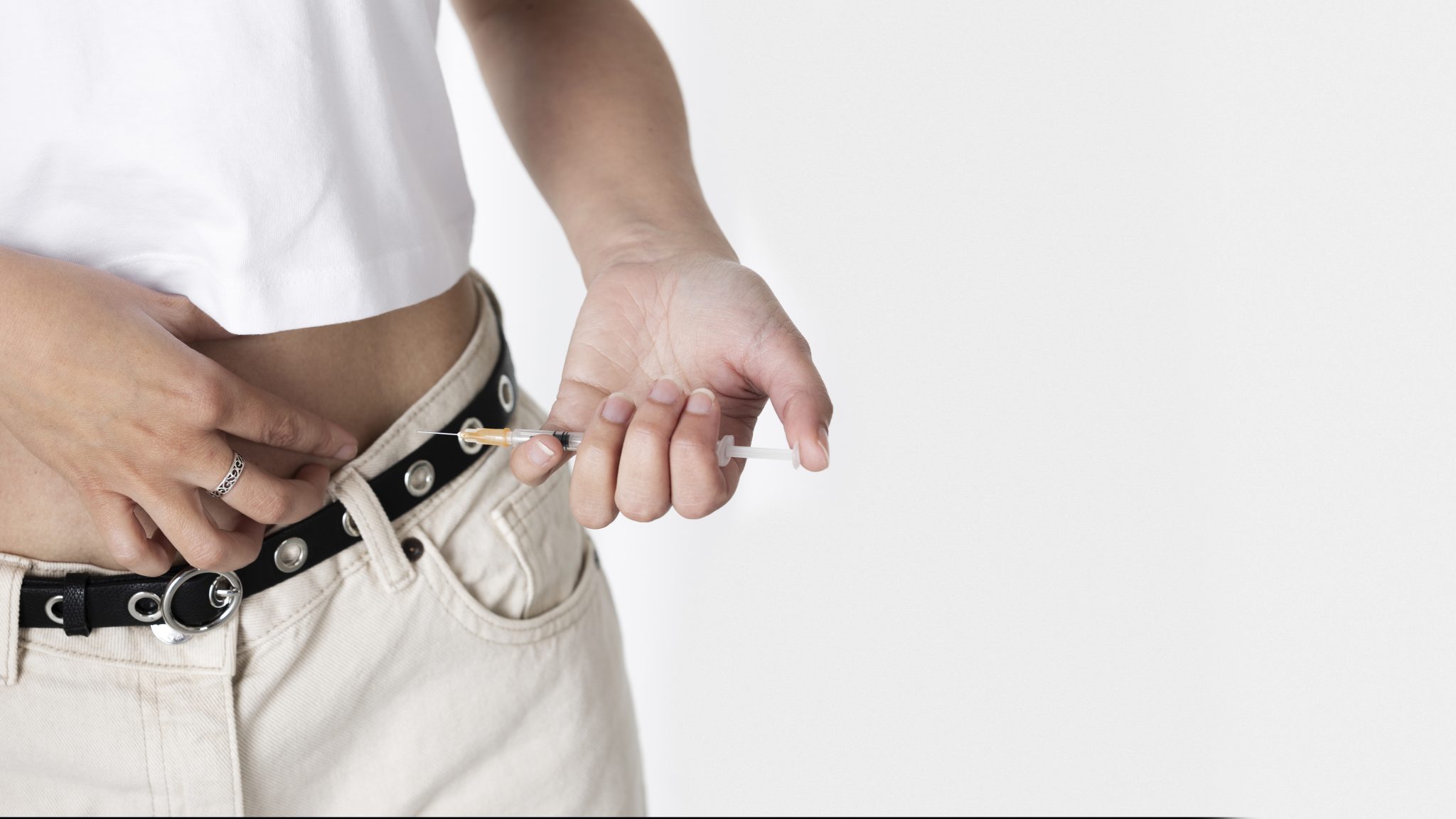
Switching from tirzepatide to semaglutide is not as simple as matching your old dose to a “similar” new dose. These two medications work differently in the body, so the strength of one does not directly convert to the strength of the other. Because of this, most clinicians start patients on a lower dose of semaglutide even if they were using a high dose of tirzepatide. This approach helps the body adjust safely and reduces the chance of stomach-related side effects.
Below is a clear and detailed explanation of how dosing typically works, why lower doses are used at the start, and what to expect through the first few weeks and months of this transition.
Why Most Patients Start at a Low Dose of Semaglutide
Tirzepatide acts on two hormone receptors: GLP-1 and GIP. Semaglutide acts on only the GLP-1 receptor. Because tirzepatide uses two pathways, many people tolerate higher doses of tirzepatide better than they tolerate higher doses of semaglutide. For example, someone may do well on 10 mg or 12.5 mg of tirzepatide with few stomach issues, but semaglutide can still cause nausea at much lower strengths.
This difference is the main reason clinicians avoid starting semaglutide at a medium or high dose. Instead, the goal is to slowly introduce the medication to the body. A gradual start helps reduce nausea, vomiting, bloating, and loss of appetite, which are common during the early stages of GLP-1 therapy.
Even patients who felt excellent on tirzepatide may feel sensitive when they first move to semaglutide. This is normal and expected. The lower starting dose eases this adjustment.
Typical Starter Dose of Semaglutide After Tirzepatide
In most cases, patients begin semaglutide at the standard starting dose, which is:
- 0.25 mg once weekly for 4 weeks
This is the same starting dose used for people who have never taken a GLP-1 medication before. It may look small, but this dose is not meant to create strong weight-loss or glucose-lowering effects yet. Instead, it helps your digestive system get used to the medication.
Some clinicians may choose to skip the 0.25 mg step if the patient was on a very high dose of tirzepatide and tolerated it without any stomach issues. In those cases, the clinician may start at:
- 0.5 mg once weekly
However, skipping the lowest dose is not common. Most healthcare providers stay cautious because semaglutide can still cause side effects even in experienced GLP-1 users.
The Dose-Escalation Schedule: How Your Dose Increases Over Time
Semaglutide has a slow and steady dose-increase plan that helps prevent side effects. After the starting 0.25 mg dose, the medication is usually increased every 4 weeks:
- 0.25 mg weekly for 4 weeks
- 0.5 mg weekly for 4 weeks
- 1.0 mg weekly for 4 weeks
- 1.7 mg weekly for 4 weeks (for weight management dosing)
- 2.4 mg weekly (maintenance dose for weight management)
For diabetes treatment, doses usually go up to 1.0 mg, though some patients may use 2.0 mg depending on the product prescribed.
This slow climb is important. Even if you were taking high-dose tirzepatide, your body still needs time to adjust to the way semaglutide works. Increasing too quickly can lead to nausea or vomiting that may cause you to stop the medication.
Why Dose Escalation Differs Between the Two Medications
Tirzepatide generally causes fewer stomach problems than semaglutide at higher doses because its GIP activity may reduce nausea. Semaglutide, however, works only through the GLP-1 pathway, which slows how fast your stomach empties. This slowing helps with appetite and blood sugar control, but it also makes the stomach more sensitive.
Because of this, the dosing plan for semaglutide includes smaller increments and longer waiting periods. Your digestive system needs this time to adjust, even if you handled tirzepatide without any issue.
How Long It Takes to Reach an Effective Dose
Most people reach a dose where they notice results—either weight-loss effects or improved blood sugar control—around:
- 0.5 mg to 1.0 mg for type 2 diabetes
- 1.0 mg to 2.4 mg for weight management
Reaching these doses takes time. A full titration can take 8 to 20 weeks, depending on how your body responds. This slow pace is normal and helps keep treatment safe and tolerable.
What to Expect During the Dose-Adjustment Period
During the first 1–2 months, it is common to:
- Feel mild nausea after injections
- Have changes in appetite
- Notice slower or smaller weight changes than you had with tirzepatide
- Experience more hunger at the lowest doses
These effects do not mean semaglutide “is not working.” They simply reflect the early stage of treatment. Many patients begin to see more noticeable results once they reach the 1.0 mg dose or higher, after the body has adapted.
Is the Switch Safe? What Side Effects Should Patients Expect?
Switching from tirzepatide to semaglutide is generally considered safe when done under the guidance of a trained healthcare professional. However, it is normal for patients to have questions or worries because both medications affect the digestive system, appetite, and blood sugar. Understanding what may happen during the transition can help patients feel prepared and reduce stress. This section explains the common side effects, why they occur, what changes to expect, and when to seek medical help.
Why GI Side Effects Can Increase During the Switch
Both tirzepatide and semaglutide slow how fast the stomach empties. They also affect hormones that control hunger and digestion. When you switch from one to the other, your digestive system must adjust to the new medication. Even if you had no problems with tirzepatide, you may still experience new or stronger symptoms once you start semaglutide.
The most common digestive symptoms during the switch include:
- Nausea
- Vomiting
- Stomach pain or cramping
- Constipation
- Diarrhea
- Feeling unusually full after small meals
- Loss of appetite or changes in taste
These symptoms are usually temporary. They often improve as the body gets used to semaglutide, especially after the first few weeks. Starting semaglutide at a low dose helps reduce these effects, which is why most clinicians begin at the smallest dose even if the patient was on a high dose of tirzepatide.
Why Nausea Happens
Nausea is the most common side effect during this transition. Semaglutide activates the GLP-1 receptor strongly. When the stomach empties more slowly, food stays in the stomach longer, which can trigger nausea. It does not mean the medication is harming the stomach; it is simply part of how the drug works.
Tips often used in medical practice to help with nausea include:
- Eat smaller meals.
- Avoid high-fat foods, which slow digestion even more.
- Drink water throughout the day in small amounts.
- Do not lie down for at least 30 minutes after eating.
- If nausea is severe, your clinician may adjust the dose schedule.
Constipation and Diarrhea
Constipation happens when the digestive system slows down. Staying hydrated, eating fiber, and light physical activity such as walking can help. Some patients also experience diarrhea instead of constipation. This may be because the intestines are adjusting to new hormone signals affecting digestion. These symptoms usually improve after the first few weeks.
Stomach Pain and Bloating
Mild stomach pain or a feeling of pressure can occur because food moves more slowly through the digestive tract. Bloating or gas may also be noticed during the switch. Eating slowly and avoiding carbonated drinks may reduce these symptoms.
Why Appetite Changes May Be Stronger at First
Because tirzepatide works on both GIP and GLP-1 receptors, many patients feel strong appetite control while using it. When switching to semaglutide, which affects only the GLP-1 receptor, some patients feel a brief change in hunger or fullness. Others feel stronger appetite suppression depending on their sensitivity to semaglutide. These reactions are normal and usually settle once the dose is steady.
Less Common but Important Side Effects
Although rare, some side effects need careful monitoring. These include:
- Severe abdominal pain that does not improve
This could be a sign of pancreatitis. Patients who experience this should stop the medication and contact their clinician right away. - Signs of gallbladder problems
Symptoms such as upper right abdominal pain, fever, or yellowing of the skin or eyes may need medical attention. - Symptoms of dehydration
Repeated vomiting or diarrhea can lead to dehydration. Drinking fluids is important. - Low blood sugar if taken with insulin or sulfonylureas
Semaglutide itself does not usually cause low blood sugar, but it can increase the effect of other diabetes medications.
When to Contact a Healthcare Professional
Patients should reach out to their clinician if they experience:
- Vomiting that prevents keeping down food or liquids
- Severe or lasting stomach pain
- Signs of dehydration, such as dizziness or very dark urine
- Symptoms of low blood sugar (sweating, shaking, confusion)
- Side effects that interfere with daily activities
In most cases, these issues can be managed by adjusting the dose, slowing the titration schedule, or reviewing other medications.
Most side effects during a tirzepatide-to-semaglutide transition are related to how these medications affect the stomach and intestines. The body usually adapts over time. Taking the medication as directed, starting with a low dose, and monitoring symptoms helps ensure a safe and smoother switch. Regular communication with a healthcare professional can prevent small problems from becoming bigger concerns.
Will Switching Affect Blood Sugar Control?
Switching from tirzepatide to semaglutide can affect blood sugar levels for several weeks. Both medicines help lower glucose, but they work in slightly different ways. Because of these differences, your body may react to the new medication as it adjusts. Below is a clear, detailed explanation of what to expect, why these changes happen, and how to monitor your blood sugar during the change.
How Tirzepatide and Semaglutide Differ in Blood Sugar Control
Tirzepatide is a dual GIP/GLP-1 receptor agonist, while semaglutide is a GLP-1–only agonist. This means tirzepatide activates two hormone pathways that help with insulin release, appetite control, and slowing stomach emptying. Semaglutide activates one of these pathways.
Because tirzepatide has that extra GIP effect, many patients find it brings down blood sugar a little faster and sometimes lowers A1C more. When someone switches from tirzepatide to semaglutide, the body may need time to adjust to the change in hormone activity. During this adjustment period you may notice blood sugar numbers rising or becoming less steady.
Why Blood Sugar May Rise for a Short Time After Switching
There are several reasons why glucose changes are common during the first 4–8 weeks:
- Dose Restarting
Most prescribers start semaglutide at a lower dose, even if you were on a higher tirzepatide dose before. This is because both medicines can cause stomach side effects, and starting low reduces nausea and vomiting.
However, starting low also means you may not get the full glucose-lowering effect right away. - Different Medication Strengths
Tirzepatide’s combined hormone action can be more powerful in the early weeks. When you move to semaglutide, the strength of appetite control and stomach-emptying effects may feel weaker until semaglutide is fully titrated. - Body Readjustment
When drug levels change, your pancreas, liver, and gut hormones also shift. This may lead to temporary changes in fasting and after-meal blood sugar. - Delay Until Semaglutide Takes Full Effect
Semaglutide builds up in the body slowly. For some people, it takes 6–12 weeks to reach stable levels, especially while increasing doses.
Patterns You May Notice in the First Few Weeks
Patients commonly report:
- Higher fasting blood sugars in the morning
- Higher after-meal spikes, especially with carbohydrate-heavy meals
- Some days with good control and other days with unstable numbers
- Needing small dose adjustments of insulin or other diabetes medicines (only under medical supervision)
These patterns are normal and usually improve as the semaglutide dose increases.
How Long It Takes for Blood Sugar to Stabilize
Most people see clearer trends after 4–8 weeks, but some require 12 weeks to reach their best control. This depends on:
- Your starting A1C
- The dose of tirzepatide you were previously taking
- How quickly semaglutide is titrated
- Whether you use insulin, metformin, or other oral medicines
- Your eating patterns and lifestyle habits
Tips to Keep Blood Sugar Stable During the Switch
Here are steps many clinicians recommend for patients transitioning from tirzepatide:
Monitor More Often
Check your blood sugar more frequently during the first month.
If you use a continuous glucose monitor (CGM), look at:
- Time-in-range
- After-meal rises
- Trends over 24 hours
This helps you catch patterns early.
Watch Carbohydrate Intake
Carbohydrates affect blood sugar the most. During the transition:
- Spread carbs evenly through the day
- Avoid large meals with heavy starch loads
- Pair carbs with protein or fiber to slow absorption
This can prevent big glucose spikes.
Stay in Contact With Your Healthcare Provider
Your healthcare team may adjust:
- Insulin doses
- Sulfonylurea doses
- Metformin timing
- Other glucose-lowering medicines
It is important not to make changes on your own.
Be Patient With Titration
Semaglutide must be increased slowly to protect your stomach. Even if blood sugar rises for a short time, rushing dose increases can lead to severe nausea or vomiting. Stable progress is safer than quick escalation.
What if You Take Insulin or Other Diabetes Medicines?
Switching may require temporary adjustments:
- Basal insulin may need a small increase if fasting numbers rise
- Mealtime insulin might be needed for large post-meal spikes
- Sulfonylureas may require dose changes depending on glucose trends
Because tirzepatide often lowers insulin needs more than semaglutide at first, your provider may modify your doses to prevent unsafe highs or lows.
When to Call Your Healthcare Provider
Seek help if you notice:
- Consistent fasting blood sugar above your target range
- Blood sugars above 250 mg/dL for more than 2–3 days
- Symptoms of dehydration, heavy urination, or extreme thirst
- Frequent lows, especially if you are using insulin
Timely adjustments make the transition safer and smoother.
Switching from tirzepatide to semaglutide can temporarily affect blood sugar control. It is normal to see higher or more variable numbers during the first several weeks because of dose changes, differences in how the medicines work, and how long semaglutide takes to reach full strength. With close monitoring, proper titration, and support from your healthcare team, most people see their blood sugar stabilize as the semaglutide dose increases.
Will Weight Loss Change After Switching From Tirzepatide to Semaglutide?
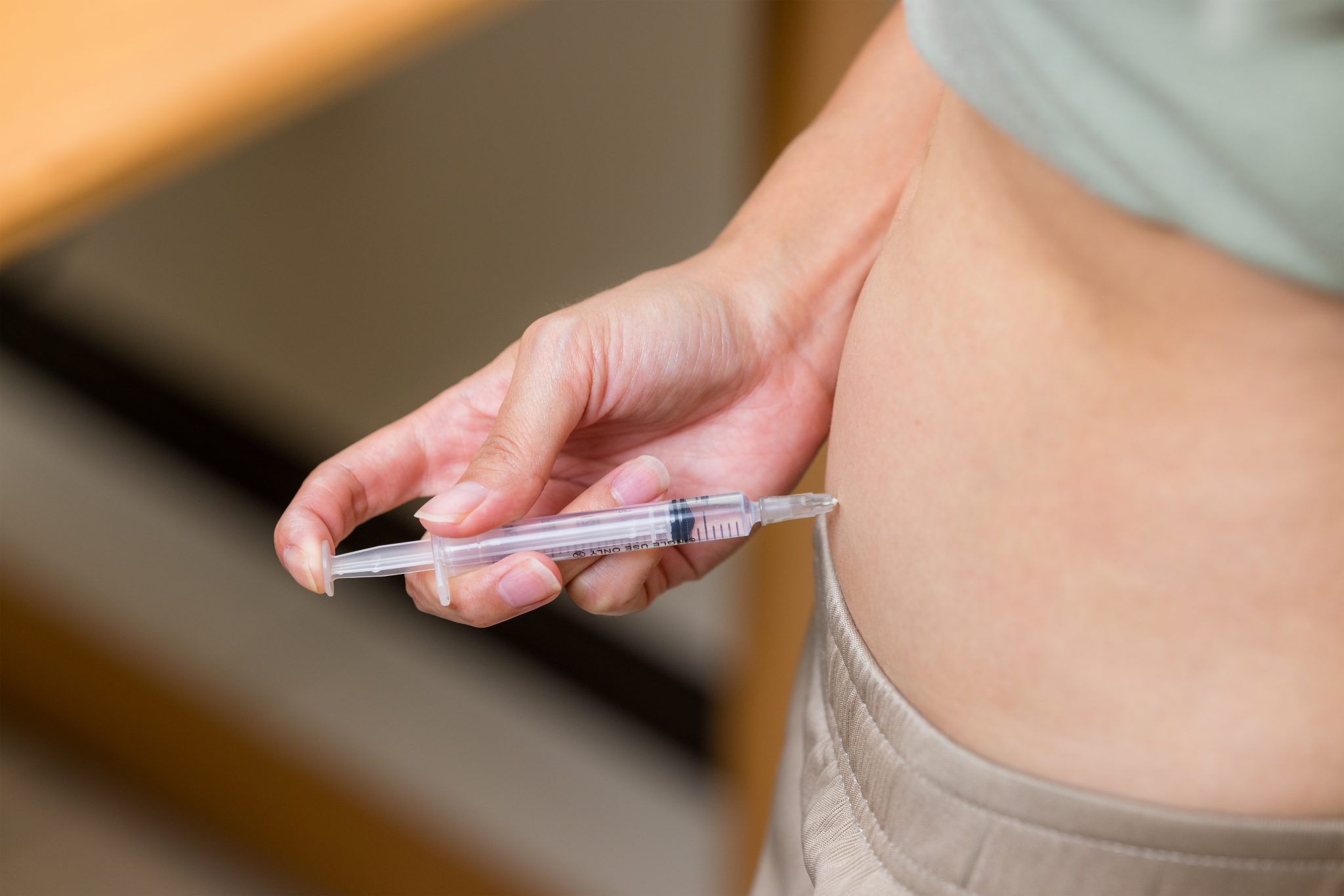
When moving from tirzepatide to semaglutide, one of the most common questions is whether weight loss will stay the same, slow down, or change in other ways. This is a natural concern, especially for people who have already worked hard to lose weight and want to keep their results. While both medications support weight loss, they work in slightly different ways and may not feel the same in the body. In this section, we will explain why weight changes may happen, what patterns are common, and what patients can expect during the first several weeks and months after switching.
How tirzepatide and semaglutide differ in weight-loss effects
Tirzepatide and semaglutide are both weekly injections, but they act on different hormone systems.
- Semaglutide is a GLP-1 receptor agonist. It helps reduce appetite, slows stomach emptying, and improves blood sugar levels.
- Tirzepatide works on two hormones: GLP-1 and GIP. Because it activates an extra pathway, many patients experience stronger appetite control and higher average weight loss with tirzepatide.
This difference in action helps explain why some people notice a change when switching. Moving from a dual-hormone medication to a single-hormone medication means the appetite and fullness signals may not feel as strong at first.
Why weight loss may slow down or plateau after switching
Many patients report that their weight loss slows for a short period after switching medications. This does not mean the transition is failing. Several normal reasons can explain this pattern:
- Dose reset and titration
Most people do not start semaglutide at a high dose, even if they were on a strong dose of tirzepatide. Semaglutide usually begins at a low dose so the body can adjust. Early doses are not intended to create strong weight loss. Their main purpose is to reduce side effects. Because of this, weight loss may slow until the dose increases. - Different appetite effects
Tirzepatide may give a stronger feeling of fullness for some people. After switching, appetite may gradually increase for a few weeks. This can make weight loss less steady until the semaglutide dose reaches an effective level. - Adaptation period
Anytime a medication that affects digestion is changed, the body needs time to adjust. Hunger, cravings, or energy levels may shift for a short period. This adjustment period often improves once the new medication reaches a stable dose. - Metabolic stabilization
After significant weight loss, the body naturally slows its metabolism. This happens with any weight-loss approach, not just medication. If a person has already lost a large amount of weight on tirzepatide, it is normal for weight loss to slow, no matter what medication they take next.
Why some patients continue to lose weight on semaglutide
Although some individuals see slower progress at first, many continue to lose weight once their semaglutide dose reaches the higher treatment levels. Clinical studies show that semaglutide offers strong weight-loss support, especially at full therapeutic doses. Patients who respond well to the medication often see ongoing loss, even if the transition caused a short plateau.
Factors that support continued weight loss include:
- Reaching the target dose recommended by the clinician
- Staying consistent with weekly injections
- Timing doses on the same day each week
- Making small nutrition changes that reduce calorie intake
- Increasing daily activity or adding gentle exercise
What to expect during the first 4–12 weeks
Understanding the typical timeline can reduce worry. Many people go through these phases:
Weeks 1–4: Adjustment
- Appetite may feel slightly stronger than before.
- Weight may stay the same or change only a little.
- Mild stomach symptoms are possible as the dose begins.
Weeks 4–8: Dose increases
- The body begins responding more strongly.
- Appetite control often improves.
- Weight loss may restart or become more steady.
Weeks 8–12: Therapeutic effect
- Many patients reach doses that are more effective for weight loss.
- Weight reduction may become more predictable.
- Hunger patterns often return to the level of control the patient expects.
Maintaining realistic expectations
Switching medications does not mean weight regain is certain, but expectations should be realistic. Tirzepatide and semaglutide do not produce identical results for every person. Some individuals lose weight at a slower pace. Others maintain their weight for a few months before losing more. These patterns are normal and do not reflect failure.
How Do You Prevent Weight Regain During the Transition?
Switching from tirzepatide to semaglutide can sometimes lead to short-term changes in appetite, cravings, or weight. This does not mean the medication is failing. It is usually a normal part of the transition as your body adjusts to a new dose and a different type of hormone signaling. Below is a clear and detailed look at why weight regain can happen, what to expect, and how to stay on track during the switch.
Why Switching Can Cause a Temporary Change in Weight
Tirzepatide and semaglutide both help with weight control, but they work in different ways. Tirzepatide acts on two hormones (GIP and GLP-1). Semaglutide acts on one hormone (GLP-1). Because the medicines signal the body differently, your brain and digestive system may respond in new ways when switching.
The most common reasons weight may change during the transition include:
- Appetite returning for a short time: When tirzepatide leaves your system, the effect on hunger may fade before semaglutide fully ramps up. This can cause increased hunger for 1–4 weeks.
- Starting semaglutide at a low dose: Most people begin with a low dose to reduce side effects. Low doses may not control appetite as strongly at first.
- Slower dose increases: Semaglutide dose increases usually happen every 4 weeks. During this period, appetite control may improve step-by-step.
- Changes in digestion: GLP-1 medicines slow stomach emptying. Adjusting from one medication to another may create changes in fullness levels or cravings.
These effects are usually temporary. With consistent habits and proper dose titration, most people return to a stable pattern.
Strategies That Help Maintain Weight During the Transition
Below are practical, medically-informed steps that support weight stability while your body adapts to the new medication.
Follow Consistent Meal Patterns
Irregular eating patterns can increase hunger and cravings. During the transition, steady routines help regulate appetite signals.
- Aim for three balanced meals per day.
- Add one small, high-protein snack if needed.
- Avoid long periods without food, which may lead to overeating later.
A predictable schedule gives the body clear cues and reduces sudden hunger spikes.
Make Protein the Center of Each Meal
Protein increases fullness and helps preserve muscle. A stable protein intake is one of the strongest tools against weight regain.
Good options include:
- Chicken, turkey, or lean beef
- Fish, eggs, or tofu
- Greek yogurt or cottage cheese
- Beans or lentils
Aim for 20–30 grams of protein per meal if possible.
Protein slows digestion and helps replace any temporary dip in fullness while semaglutide dose increases.
Focus on High-Fiber Foods to Support Fullness
Fiber expands in the stomach and delays hunger. Helpful sources include:
- Vegetables
- Berries and apples
- Oats and whole grains
- Beans and lentils
A combination of fiber and protein improves appetite control more than either alone.
Monitor Hunger Cues During the First Few Weeks
Paying attention to signs of increased hunger can help you adjust early.
Look for:
- Feeling hungry sooner after meals
- Cravings for high-calorie foods
- Snacking more often than usual
If these patterns appear, you can respond by:
- Adding more vegetables and lean proteins
- Planning structured snacks (nuts, yogurt, or fruit)
- Drinking water before meals
Awareness reduces the chances of unintentional overeating.
Practice Slow Eating and Portion Awareness
Both tirzepatide and semaglutide slow stomach emptying, but each affects this differently. Slow eating supports natural fullness signals.
Try:
- Putting your fork down between bites
- Taking 15–20 minutes to finish a meal
- Serving meals on smaller plates if portion control is difficult
These simple habits help prevent eating past the point of comfort.
Maintain Regular Physical Activity
Physical activity helps regulate appetite, support mood, and preserve muscle. During the transition, these benefits can make weight stability easier.
Helpful activities include:
- Walking
- Light strength training
- Cycling or swimming
- Fitness classes
The goal is 150 minutes per week of moderate activity, but even small daily movement helps.
Plan for Emotional Eating Triggers
Some people notice stronger cravings during the switch. Stress, fatigue, or boredom may make overeating more likely.
Helpful strategies include:
- Preparing healthy snacks ahead of time
- Drinking water or herbal tea when cravings strike
- Taking a short walk to reset focus
- Practicing 5 minutes of deep breathing
These tools reduce the risk of turning to food during high-stress moments.
Stay Consistent With Medication and Follow-Up
Dose timing matters. Taking semaglutide on schedule supports steady hormone levels. Regular follow-up with a clinician also allows:
- Adjustments to dose
- Monitoring of side effects
- Guidance for diet or lifestyle support
If hunger remains high after several weeks at a stable dose, most clinicians consider earlier titration.
Give the Medication Time to Work
Most people need 4–8 weeks before semaglutide provides the same level of appetite control they experienced with tirzepatide. Understanding this timeline reduces frustration and helps maintain confidence in the process.
Preventing weight regain during a tirzepatide-to-semaglutide switch is possible with the right habits. Consistent eating patterns, high-protein meals, fiber-rich foods, hydration, physical activity, and mindful eating all help stabilize appetite while the body adapts. Most changes are temporary, and weight typically restabilizes as the dose of semaglutide increases and hormone signaling becomes steady again.

Are There Risks or Interactions When Switching?
When moving from tirzepatide to semaglutide, most patients can switch safely with the support of a healthcare professional. However, it is important to understand the possible risks and drug interactions. This section explains them in clear, simple terms so patients know what to look for and how to stay safe.
Medication Interactions With Blood Sugar–Lowering Drugs
Semaglutide affects blood sugar by increasing insulin release and slowing digestion. If you are also taking other diabetes medications, your blood sugar may drop too low during or after the switch. This is especially important for people who take:
- Insulin
- Sulfonylureas (such as glipizide, glyburide, or glimepiride)
- Meglitinides (such as repaglinide)
These medications can lower blood sugar on their own. When combined with semaglutide, they can increase the risk of hypoglycemia (low blood sugar).
What to watch for:
Shaking, sweating, fast heartbeat, dizziness, hunger, or feeling anxious.
What your clinician may do:
- Reduce your insulin dose
- Adjust other diabetes medications
- Ask you to monitor glucose more often during the first few weeks
The goal is to avoid very low or very high blood sugar as your body adjusts from tirzepatide to semaglutide.
Gastrointestinal (GI) Symptoms and Risks
Both tirzepatide and semaglutide can cause digestive side effects. When switching, these symptoms may become more noticeable, especially if your body is used to one medicine and is now adjusting to another.
Common symptoms include:
- Nausea
- Vomiting
- Constipation
- Diarrhea
- Bloating or gas
- Reduced appetite
These effects often lessen over time. However, switching too quickly or starting semaglutide at a higher dose than recommended may make symptoms worse.
When to call a clinician:
- If vomiting prevents you from keeping fluids down
- If abdominal pain is severe or gets worse
- If nausea does not improve after several weeks
- If constipation lasts more than a few days even after treatment
GI comfort may improve with slow dose steps, staying hydrated, and eating smaller meals.
Risk of Pancreatitis
Both medications carry a small but serious risk of pancreatitis, which is inflammation of the pancreas. The risk does not appear to increase just because a person switches medicines, but it is still important to be aware of the signs.
Warning signs include:
- Severe upper stomach pain
- Pain spreading to the back
- Ongoing nausea and vomiting
Anyone who has had pancreatitis before should speak with their clinician before switching. Some clinicians may recommend close monitoring or consider different treatment options based on medical history.
Gallbladder Concerns
GLP-1–based medications have been linked to gallbladder problems, such as gallstones or inflammation. The risk may be slightly higher in individuals who lose weight rapidly, as weight loss itself can trigger gallstone formation.
Symptoms to watch for:
- Sudden pain on the right side of the abdomen
- Pain after eating fatty meals
- Nausea and vomiting
- Yellowing of the skin or eyes (rare)
If these symptoms appear, medical evaluation is needed. Sometimes an ultrasound is ordered to check the gallbladder.
Kidney Considerations
Dehydration from vomiting or diarrhea can stress the kidneys. For patients with chronic kidney disease or reduced kidney function, this is especially important. Semaglutide itself does not usually damage the kidneys, but dehydration can lead to worsening kidney function.
How to protect yourself:
- Drink adequate fluids
- Report severe vomiting or diarrhea early
- Review recent kidney test results with your clinician
In some cases, a clinician may order lab tests before or after the switch to ensure stable kidney function.
Considerations for Pregnancy, Breastfeeding, and Fertility
Semaglutide is not recommended during pregnancy. Patients who may become pregnant should use effective birth control and speak with a clinician before switching. Both tirzepatide and semaglutide should usually be stopped at least 2 months before trying to conceive, because they remain in the body for a long time.
If breastfeeding, your clinician will explain the limited safety data and help determine the best plan.
Older Adults and Other Special Populations
Older adults may be more sensitive to side effects like nausea, dehydration, or low blood sugar, especially if they take many medications. The switch may require slower titration and more frequent check-ins.
People with the following conditions should also discuss risks carefully:
- Severe gastrointestinal disease
- Significant kidney or liver disease
- History of diabetic retinopathy
Individual plans help reduce risks and improve comfort during the transition.
Insurance, Availability, and Cost Considerations
Switching from tirzepatide to semaglutide can feel confusing when it comes to insurance rules, pharmacy availability, and out-of-pocket costs. Many patients search online for answers about which drug is easier to get, what insurance covers, and why prices vary so much. This section explains these issues in clear, simple language so patients can understand what to expect before making the transition.
Insurance Coverage Differences
Insurance coverage for tirzepatide and semaglutide is not the same, even though both medications are used for similar conditions. Several factors cause these differences:
FDA approval for different uses
- Tirzepatide has versions approved for type 2 diabetes and chronic weight management.
- Semaglutide also has versions approved for type 2 diabetes and chronic weight management, but the insurance requirements for each form can differ.
Insurance plans often separate benefits for diabetes care and weight-management care. A plan may cover one medication for diabetes but not cover its weight-loss version. The same plan may also demand different paperwork depending on which condition the doctor lists as the primary reason for treatment.
Prior authorization
Most insurance plans require prior authorization for semaglutide or tirzepatide. Prior authorization means your doctor must send information explaining:
- why you need the medication
- whether you have tried other treatments
- your diagnosis and medical history
Approval can take days or weeks. Some plans ask for proof that the patient meets certain criteria, such as:
- a documented diagnosis of type 2 diabetes
- a certain body mass index (BMI)
- past attempts at lifestyle changes
- results of recent medical exams
Because rules vary, a patient switching between medications may find that semaglutide is easier or harder to get depending on their specific plan.
Why Availability Differs Between Pharmacies
In recent years, demand for GLP-1 medications has been high, and many pharmacies have reported shortages. When switching from tirzepatide to semaglutide, a patient might find semaglutide more available in one month and less available the next. Availability depends on several factors:
Supply chain and manufacturer distribution
Drug manufacturers send limited amounts of medication to each region. Some doses may be in short supply while others are easy to find. For example, lower starting doses may be out of stock more often because many patients begin treatment at the same dose.
Pharmacy ordering patterns
Large chain pharmacies may get more frequent restocks, while small pharmacies may receive smaller shipments. Some pharmacies allow patients to place medication “on hold” or join a waiting list.
Insurance network restrictions
Even if one pharmacy has semaglutide in stock, a patient may be required to use a pharmacy that accepts their insurance plan. This can affect access and timing.
Cost Differences: What Patients Should Expect
Costs for semaglutide and tirzepatide can vary widely based on insurance and location. Patients often ask why one drug seems cheaper or more expensive. Here are the main reasons:
Insurance plan structure
Co-pays, deductibles, and co-insurance amounts vary. Some plans:
- classify one drug as “preferred,” making it cheaper
- classify another as “non-preferred,” increasing out-of-pocket cost
When switching, a patient may suddenly find the new drug more expensive even if the old drug was affordable.
Branded vs. different product lines
Semaglutide and tirzepatide each have diabetes and weight-management versions. These products may cost different amounts even though they contain the same active drug. Insurance companies often treat them as separate medications.
Manufacturer coupon programs
Some people qualify for savings programs from the drug companies. These programs:
- usually apply only to patients with commercial (non-government) insurance
- may reduce co-pays
- may not apply if the medication is not on the insurance plan’s preferred list
Patients on Medicare, Medicaid, or state-funded plans usually cannot use these coupons.
Steps to Make the Insurance Transition Easier
Patients can prepare for the switch with these practical steps:
- Check coverage before the switch.
Contact your insurance provider or review your plan’s online formulary. - Ask your clinician to submit prior authorization early.
This reduces delays and helps ensure you do not miss doses. - Call local pharmacies to check stock.
Availability varies week to week. - Ask your clinician if dose substitutions are safe.
If the exact starting dose is out of stock, the prescriber may choose an alternative strategy. - Plan for possible temporary costs.
Some patients must pay a higher amount during the first month until deductibles reset or authorization is approved.
Insurance, availability, and cost can strongly affect how smooth the switch from tirzepatide to semaglutide will be. By understanding how coverage rules work, why some pharmacies struggle to keep doses in stock, and what factors influence price, patients can better plan their transition and avoid gaps in treatment.
What Patients Should Discuss With Their Clinician Before Switching
When planning a transition from tirzepatide to semaglutide, it is important for patients to have a detailed and honest conversation with their clinician. Switching from one metabolic or diabetes medication to another is not as simple as stopping one drug and starting the next. The two medicines work differently, they follow different dosing schedules, and they affect appetite, blood sugar, and digestion in different ways. A careful review with a healthcare professional helps reduce side effects, prevents gaps in treatment, and keeps your health goals on track. The following sections explain, in clear detail, the main points patients should cover with their clinician before making the switch.
Review of Recent Lab Results and Medical History
Before switching, your clinician will want to review your most recent lab work. These may include:
- A1C (a measure of blood sugar control over three months)
- Fasting glucose
- Kidney function tests (creatinine, eGFR)
- Liver enzymes
- Lipid panel
- Thyroid function tests, if needed
These labs help your clinician understand how stable your condition is and whether semaglutide is safe for you. For example, kidney function is important because both drugs slow stomach emptying, which may affect hydration and kidney stress. Liver tests help rule out other causes of nausea or digestive symptoms. If your A1C is high, your clinician may choose a shorter waiting period between drugs to avoid unsafe blood sugar spikes. If your blood sugar is already low, they may adjust other medications before switching.
It is also important to review your full medical history. This includes any history of pancreatitis, gallbladder disease, gastrointestinal disorders, or thyroid nodules, as these conditions may change how the switch is managed.
Discussion of Side Effects Experienced on Tirzepatide
Your clinician will ask about any side effects you experienced with tirzepatide, even if they seemed mild. Understanding your past reactions helps guide your starting dose of semaglutide and your titration schedule. For example:
- If you had severe nausea, your clinician may start with the lowest semaglutide dose and increase slowly.
- If constipation was a major issue, you may be given bowel routine instructions before switching.
- If you tolerated tirzepatide well at higher doses, your clinician may shorten the time between dose increases.
Sharing even small changes—such as changes in appetite, stomach discomfort, or fatigue—helps your healthcare team predict how your body may respond to semaglutide.
Review of Your Full Medication List
Patients should bring a complete list of all medicines they take, including:
- Prescription drugs
- Over-the-counter medicines
- Vitamins and supplements
- Herbal products
Some medications increase the risk of side effects during the switch. For example, if you take insulin or sulfonylureas, your clinician may lower the dose to prevent low blood sugar. Drugs that slow digestion may increase nausea when combined with semaglutide. Even supplements such as fiber, magnesium, or herbal teas may affect tolerance, so sharing every product you take is important.
Treatment Goals and Expectations
Your clinician will also want to understand your goals. These may include:
- Improving blood sugar
- Losing weight
- Preventing weight regain
- Reducing cardiovascular risk
- Managing appetite
- Keeping medication side effects low
Your goals help determine the starting dose, the pace of dose increases, and the recommended follow-up schedule. It is also normal for patients to have concerns about how the switch will affect hunger, energy levels, or weight loss speed. Your clinician can explain what changes are likely temporary, what is expected during the adjustment period, and what signs you should monitor.
Timing of the Switch and Washout Period
Your clinician will help decide when to stop tirzepatide and when to begin semaglutide. The correct timing depends on:
- Your last tirzepatide dose
- Your current symptom level
- Your blood sugar patterns
- Any upcoming medical tests or travel
- Your ability to monitor at home
For some people, a simple “skip one week and start the next” approach works. Others may need a longer gap to reduce nausea. This plan should be personalized.
Follow-Up Plan and Monitoring
A safe transition includes a plan for follow-up. Your clinician may schedule:
- A check-in after 2–4 weeks
- A new A1C after 3 months
- Blood sugar logs (if you have diabetes)
- Weight or symptom tracking
- Dose adjustments based on tolerance
Follow-up appointments help catch side effects early, adjust doses, and make sure you stay on track with your goals.
Before switching from tirzepatide to semaglutide, patients should talk with their clinician about recent labs, medical history, medication lists, side effects, treatment goals, timing, and follow-up needs. A careful discussion supports a smoother transition and helps ensure the treatment continues to be safe and effective.
Conclusion: Key Takeaways for a Successful Tirzepatide-to-Semaglutide Transition
Switching from tirzepatide to semaglutide is a process that benefits from careful planning, clear expectations, and close communication with a healthcare provider. While both medications belong to the broader group of GLP-1–based therapies, they work in slightly different ways and may affect the body differently during the transition. Understanding these differences can help patients feel more prepared and reduce uncertainty while adjusting to the new treatment.
One of the most important points to remember is that switching medications does not happen in a single step. It often requires a short waiting period between the last dose of tirzepatide and the first dose of semaglutide. This gap helps reduce the risk of overlapping side effects, especially stomach-related symptoms such as nausea, fullness, or changes in bowel habits. The exact timing may vary based on the dose of tirzepatide previously used, how long a person has been taking it, and how well they tolerated it. For most people, the transition is safe and smooth when guided by a clinician who understands their medical history and current goals.
Another key point is that most patients start semaglutide at a low dose, even if they took a higher dose of tirzepatide before. This is because tirzepatide and semaglutide do not match dose-for-dose. Starting low helps the body adapt gradually and lowers the chance of side effects. Patients should expect a step-by-step dose increase of semaglutide over several weeks. This slow rise is normal and helps ensure that the treatment remains comfortable and effective. It also means that some people may not feel the full benefit right away, especially if tirzepatide was working strongly for them before the switch.
Changes in blood sugar levels or weight may also happen during the transition. Some people see small shifts in the first few weeks because tirzepatide and semaglutide affect hunger, digestion, and insulin release in different ways. These changes are usually temporary. Patients with type 2 diabetes should monitor their blood sugar closely and follow their provider’s instructions about adjusting insulin or other diabetes medications if needed. Those using semaglutide for weight management may notice a slower change in appetite at first, but this typically improves as the dose increases. Staying consistent with healthy eating habits and physical activity can help prevent weight regain or unexpected changes during this period.
Safety remains a major focus during the switch. Patients should watch for symptoms such as strong stomach pain, persistent vomiting, signs of dehydration, or changes in vision. While these issues are uncommon, they should be reported quickly if they occur. It is also important to share a complete list of medications with the healthcare provider, since some drugs—especially those that affect blood sugar—may require adjustments. People with a history of pancreatitis, gallbladder disease, or kidney problems should follow extra guidance from their clinician to make sure semaglutide is safe for them.
Insurance and medication access are also part of a successful transition. Coverage for semaglutide can differ from tirzepatide, and some plans require prior authorization or proof of medical necessity. Patients may need to plan ahead to avoid delays in getting their first dose. Talking with a provider or pharmacist early in the process can help prevent gaps in treatment.
Finally, the most important step is open communication. Before switching, patients should review their goals, concerns, and past medication experiences with their clinician. After starting semaglutide, regular follow-up allows the provider to track progress, adjust the dose, monitor side effects, and answer questions that come up along the way. A transition that is supported with clear guidance and ongoing care gives patients the best chance of success with their new medication.
In summary, changing from tirzepatide to semaglutide is a manageable process when patients understand what to expect. By focusing on timing, dose planning, safety monitoring, realistic expectations, and strong communication with their healthcare team, patients can feel confident and well-supported as they begin their new treatment path.
Research Citations
Almandoz, J. P., Lingvay, I., Morales, J., & Campos, C. (2020). Switching between glucagon-like peptide-1 receptor agonists: Rationale and practical guidance. Clinical Diabetes, 38(4), 390–402.
Jain, A. B., Ali, A., Gorgojo Martínez, J. J., Hramiak, I., Kavia, K., Madsbad, S., Potier, L., Prohaska, B. D., Strong, J. L., & Vilsbøll, T. (2021). Switching between GLP-1 receptor agonists in clinical practice: Expert consensus and practical guidance. International Journal of Clinical Practice, 75(2), e13731.
Samuels, J. M., Ye, F., Irlmeier, R., Silver, H., Srivastava, G., & Spann, M. (2025). Real-world titration, persistence & weight loss of semaglutide and tirzepatide in an academic obesity clinic. Diabetes, Obesity and Metabolism, 27(11), 6200–6209.
Ng, C. D., Divino, V., Wang, J., Toliver, J. C., & Buss, M. (2025). Real-world weight loss observed with semaglutide and tirzepatide in patients with overweight or obesity and without type 2 diabetes (SHAPE). Advances in Therapy, 42(11), 5468–5480.
Hoog, M. M., et al. (2025). Real-world effectiveness of tirzepatide versus semaglutide on HbA1c and weight in patients with type 2 diabetes. Diabetes Therapy, 16(11), 2237–2256.
Trinh, H., Donovan, A., & McAdam-Marx, C. (2025). Real-world effectiveness of tirzepatide versus semaglutide for weight loss in overweight or obese patients in an ambulatory care setting. Diabetes, Obesity and Metabolism, 27, 3523–3525.
Rodriguez, P. J., Goodwin Cartwright, B. M., Gratzl, S., Brar, R., Baker, C., Gluckman, T. J., et al. (2024). Semaglutide vs tirzepatide for weight loss in adults with overweight or obesity. JAMA Internal Medicine, 184(9), 1056–1064.
Aronne, L. J., Horn, D. B., le Roux, C. W., Ho, W., Falcon, B. L., Gomez Valderas, E., Das, S., Lee, C. J., Glass, L. C., Senyucel, C., Dunn, J. P., & SURMOUNT-5 Trial Investigators. (2025). Tirzepatide as compared with semaglutide for the treatment of obesity. The New England Journal of Medicine, 393(1), 26–36.
Krüger, N., Schneeweiss, S., Desai, R. J., Sreedhara, S. K., Kehoe, A. R., Fuse, K., Hahn, G., Schunkert, H., & Wang, S. V. (2025). Cardiovascular outcomes of semaglutide and tirzepatide for patients with type 2 diabetes in clinical practice. Nature Medicine. Advance online publication.
Kassem, S., Khalaila, B., Stein, N., & Zaina, A. (2025). Glucagon-like peptide 1 receptor agonists switching patterns in type two diabetes: A retrospective real-world study. World Journal of Diabetes, 16(11), 112999.
Questions and Answers: Tirzepatide to Semaglutide Switch
People may switch due to side effects, insurance coverage, medication availability, or a clinician’s recommendation based on individual health goals.
A switch can be safe when directed by a healthcare professional who can account for timing, tolerability, and individual medical history.
Many clinicians transition patients without a long break, but the appropriate timing depends on factors like side effects and previous dose. A clinician determines the best interval.
Some people experience temporary gastrointestinal symptoms such as nausea, fullness, or diarrhea. Severity varies based on dose and individual sensitivity.
Weight trends may change, but many people continue losing or maintaining weight on semaglutide. Individual response varies.
Clinicians commonly start at a lower dose to reduce side effects, even for patients who previously tolerated higher doses of tirzepatide. The exact dose must be decided by a prescriber.
Adjustment can take a few weeks as the body adapts to the different medication and dosing schedule.
Both medications are effective, though studies show tirzepatide may lead to greater average weight loss. Still, many individuals respond very well to semaglutide.
Yes. Clinicians often switch patients temporarily or permanently when one medication is difficult to obtain.
Some patients notice differences in appetite suppression or glucose control, as the medications act on overlapping but not identical pathways. Effects vary individually.

Dr. Kevin Kargman
Dr. Kevin J. Kargman is a pediatrician in Sewell, New Jersey and is affiliated with multiple hospitals in the area, including Cooper University Health Care-Camden and Jefferson Health-Stratford, Cherry Hill and Washington Township. (Learn More)