
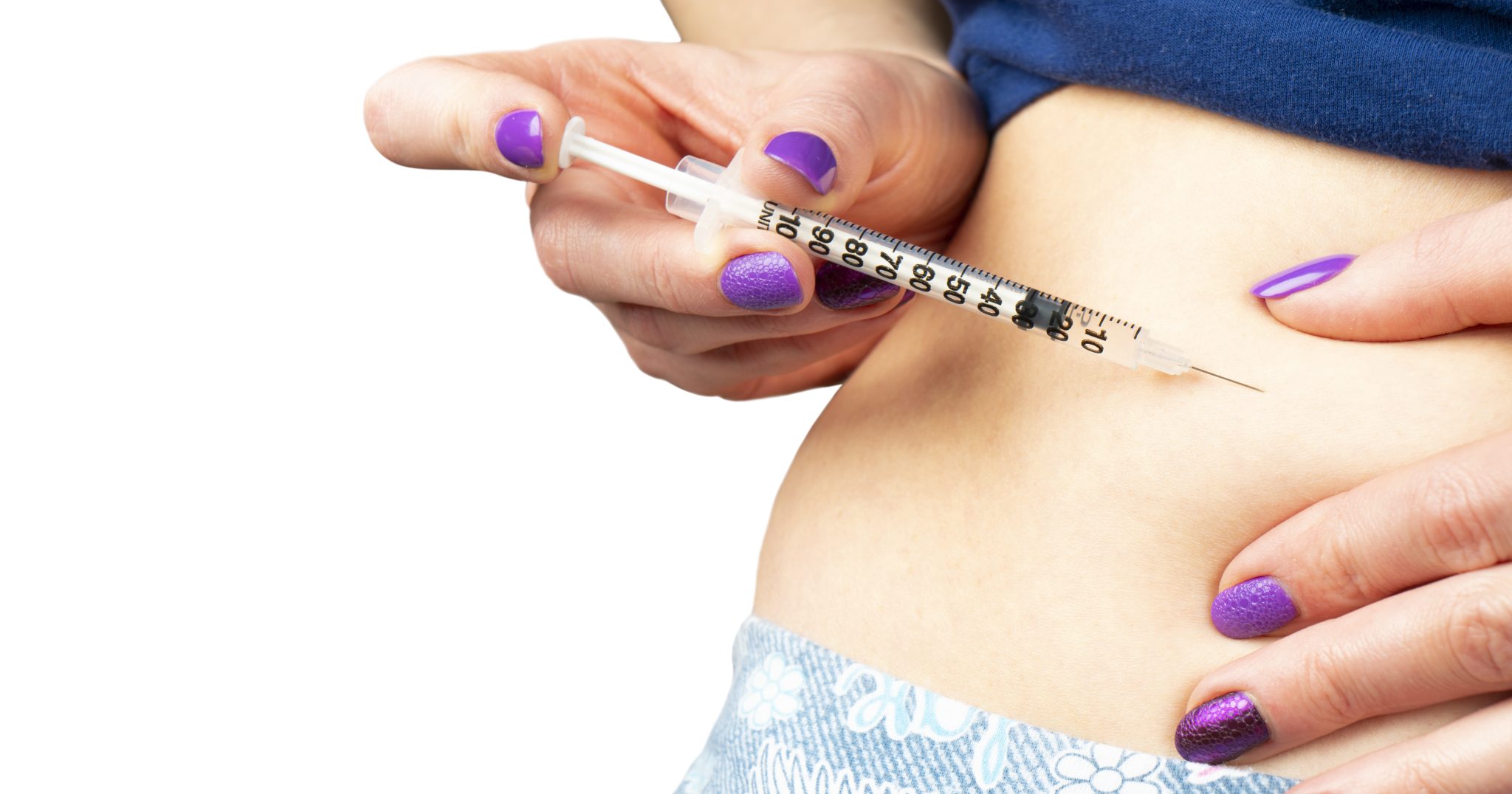
Table of Contents
Introduction
Tirzepatide is a once-weekly injectable medication used to help people manage type 2 diabetes and support healthy weight loss. Many people who start this medication feel unsure about how and where to inject it. This is completely normal. Learning the correct injection sites and the right way to use the pen can help prevent discomfort, improve safety, and give you confidence each time you take your dose. Because tirzepatide must be injected under the skin, choosing the correct area of the body is one of the most important steps in using it safely. When you understand what areas are recommended and how to prepare the skin, the whole process becomes much easier.
This article is written as a complete guide for anyone who wants to learn where to inject tirzepatide and how to follow best practices. If you are new to injectable medications, you may feel nervous about giving yourself a shot. Many people worry about pain, bruising, or whether they will inject it in the wrong place. Others may not know that certain areas of the body absorb medication better than others. These questions are common, and this guide explains everything in simple and clear terms so you can use tirzepatide the right way from the start.
Understanding the basics of how tirzepatide works can make the injection process less stressful. Tirzepatide is a type of medication called a GLP-1 and GIP receptor agonist. That may sound complicated, but the idea is simple: it helps your body manage blood sugar more effectively and can reduce appetite. Because of how the medication works, it needs to be delivered into the fatty layer under your skin. This type of injection is called a subcutaneous injection. It is not injected into the muscle or the vein. The thin layer of fat under your skin absorbs tirzepatide slowly and evenly throughout the week. This is why knowing where to inject it matters so much.
This article will explain the three approved injection sites: the abdomen, the thigh, and the upper arm. These are the safest places to inject tirzepatide because they have enough soft tissue and allow the medication to absorb properly. Not all body areas are safe or recommended for injections, and choosing the wrong location may cause pain or reduce how well the medicine works. You will learn how to select the best site for your body, how to rotate your injection areas from week to week, and how to avoid injecting the medication into the same small spot repeatedly. These steps can help prevent irritation, lumps, and bruising.
Another purpose of this article is to help you build a routine that feels comfortable and predictable. When people feel prepared, they often experience less stress about giving themselves injections. You will learn what to do before each injection, how to clean the skin, how to hold the pen, and how to press the needle into the skin in a steady and controlled way. These steps are important because proper technique lowers the risk of side effects and makes the injection feel smoother.
Many people also want to know how to reduce pain at the injection site. Even though tirzepatide uses a very small needle, some people feel stinging, warmth, or soreness after injecting. This guide will explain why this can happen and what you can do to reduce it. You’ll also learn about common mistakes—such as injecting too close to the belly button, injecting through clothing, or choosing irritated skin—and how to avoid them. This information can help you prevent problems before they occur.
Finally, this article will help you understand when to ask for medical advice. While most people can inject tirzepatide safely at home, some situations—like repeated swelling, signs of infection, or difficulty reaching an injection site—may require a healthcare professional’s help. Knowing when to reach out can keep you safe and prevent complications.
By the end of this guide, you will know exactly where you can inject tirzepatide, how to do it correctly, and how to make each injection as comfortable as possible. The goal is not only to give instructions but also to help you feel confident and prepared. With the right information and a little practice, most people find that giving a weekly injection becomes an easy part of their routine.
What Is Tirzepatide and How Is It Administered?
Tirzepatide is a once-weekly injectable medicine used to help adults manage type 2 diabetes and support weight reduction. It belongs to a newer group of medicines called GIP and GLP-1 receptor agonists. These medicines act on two important hormone pathways to help lower blood sugar, reduce appetite, and improve how the body uses insulin. While the science behind tirzepatide can sound complex, the way people take it is actually simple. It is designed for weekly subcutaneous injection, which means the medicine goes into the layer of fat just below the skin.
This section explains what tirzepatide is, how it works, and how it is given, so you feel confident before learning about injection sites and best practices.
Understanding How Tirzepatide Works
Tirzepatide works by copying the effects of two natural hormones your body makes after you eat:
- GLP-1 (glucagon-like peptide-1)
- GIP (glucose-dependent insulinotropic polypeptide)
These hormones help:
- Signal your pancreas to release insulin when your blood sugar rises
- Slow down how quickly food leaves your stomach
- Reduce appetite and help control portions
- Lower blood sugar levels between meals
- Support weight loss by reducing hunger cues
Tirzepatide activates both hormone pathways at the same time. This “dual action” is what makes the medication different from older GLP-1–only treatments. Even though the biology is advanced, your experience with the medication is straightforward: one injection, once a week.
What Does “Subcutaneous Injection” Mean?
A subcutaneous injection places the medicine in the fat layer under the skin, not into muscle or a vein. This layer absorbs the medication slowly and evenly, which is why it is the recommended route for tirzepatide.
This type of injection is:
- Shallow
- Low-pain
- Easy to learn
- Safe to perform at home
The needle used in tirzepatide pens is short and thin. Many people feel only light pressure or a small pinch. Because the medication is meant for the fat layer, the injection does not go deep. You do not need to “push hard” or search for a vein.
Why Tirzepatide Is Given by Injection Instead of Pill Form
Some medications can be swallowed as pills, but tirzepatide cannot. The hormones it imitates are proteins, and if taken by mouth, they would break down in the stomach before reaching the bloodstream. A subcutaneous injection protects the medicine and allows it to work properly.
Injecting once a week also keeps the drug level steady in the body. This helps avoid large rises or drops in blood levels, which can reduce side effects and support stable blood sugar control.
Understanding Prefilled Tirzepatide Pens
Tirzepatide comes in single-dose, prefilled pens. The pen design eliminates many steps that older injection systems required, making the process simple and consistent.
Key features of the tirzepatide pen:
- It contains one dose already measured for you
- The needle is hidden before and after use
- The device has safety locks to prevent accidental firing
- There is no need to attach or remove needles
- You discard the entire pen after each dose
The pen was created so that people with little or no experience giving injections can still use it safely.
Dosing Schedules and How Weekly Injections Work
Most treatment plans begin with a low dose. This starting dose helps the body adjust and reduces the chance of nausea or other digestive side effects. After several weeks, the dose may be increased based on your healthcare provider’s guidance.
Important points about tirzepatide dosing:
- It is injected one time each week
- You can take it with or without food
- You should take it on the same day each week
- You may choose morning or evening, as long as it is consistent
- If you need to change your “injection day,” you may, but spacing rules apply (usually waiting at least 72 hours)
Weekly dosing makes the medication convenient and easy to manage, especially for people taking other daily medicines.
Why Understanding Administration Matters
While tirzepatide is effective, how it is administered is a major part of using it safely. Because it is an injectable medicine, proper technique impacts:
- Comfort during the injection
- How well the medicine absorbs
- Your risk of irritation or lumps
- Your confidence using the pen each week
This is why the next sections of this guide focus on injection site choices, rotation patterns, and step-by-step instruction. With correct technique and clear understanding, most people find that giving the injection becomes quick and routine.
Where Can I Inject Tirzepatide? (Primary Approved Injection Sites)
Tirzepatide is given as a subcutaneous injection, which means it goes into the layer of fat just under the skin—not into the muscle and not into a vein. This layer of fat helps the medication absorb slowly and steadily over time. Because of this, only certain areas of the body are approved for tirzepatide injections. Using the correct locations helps ensure the medicine works as it should, lowers the risk of pain or injury, and makes the process easier and safer.
There are three FDA-approved injection sites for tirzepatide:
- Abdomen (stomach area)
- Thigh (upper leg)
- Upper arm
Each site has its own benefits, and each one can be used safely when you follow proper technique. Below is a detailed explanation of each site and why it is considered safe and effective for tirzepatide.
Abdomen (Stomach Area)
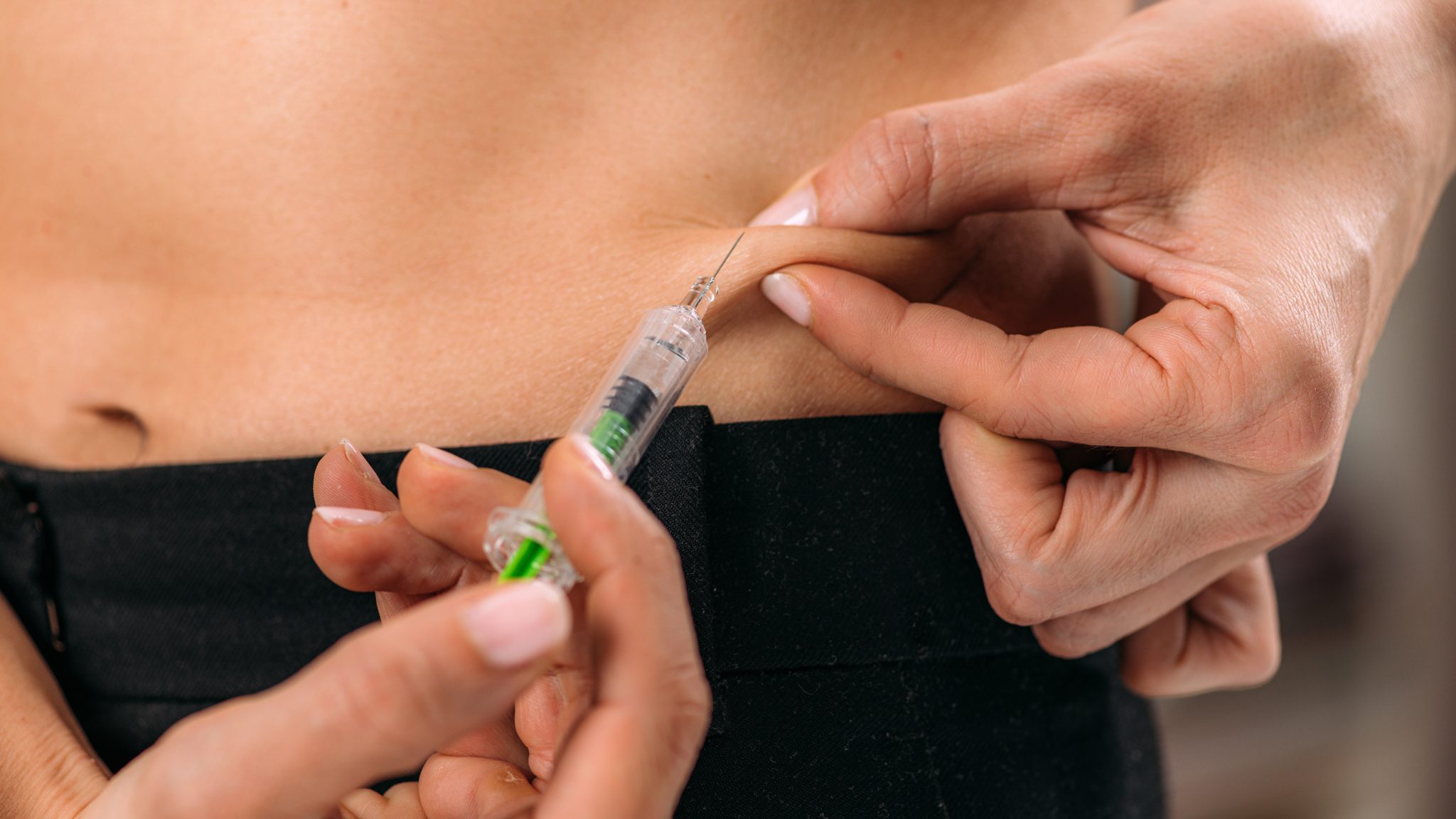
The abdomen is one of the most common locations for subcutaneous injections. Many people prefer this site because it is easy to reach, has a large area of soft fatty tissue, and usually causes minimal discomfort.
Where exactly on the abdomen to inject:
- Choose a spot at least 2 inches (about two finger widths) away from your belly button.
- Stay in the lower abdomen or sides, avoiding areas that feel firm, bruised, or irritated.
- You can inject on either side of your stomach, but avoid injecting into the exact same spot every time.
Why the abdomen is a good option:
- It usually offers a stable absorption rate, which means the medication enters the body at a steady pace.
- It is a convenient location because you can see what you are doing and control the injection angle easily.
- People with different body types—thin, average, or larger—can all use this site safely.
This site tends to be the most sensitive to touch for some people, but most still find it comfortable once they get used to the technique. If you have had abdominal surgery or have scar tissue, avoid those areas, as absorption may be less consistent.
Thigh (Upper Leg)
The thigh is another approved injection site and is a good option for people who prefer not to inject in their stomach area or who need more rotation spots. You can inject tirzepatide into the front of your upper thigh, staying away from the inner thigh and outer hip area.
Where exactly on the thigh to inject:
- Use the front of the upper thigh, between the hip and the knee.
- Avoid injecting too close to the knee joint or groin.
- Make sure you are injecting into the soft fatty area, not the muscle.
Why the thigh is a good option:
- It is easy to reach for most people, especially if they are sitting down.
- It works well for individuals who may have tattoos, scar tissue, or irritation in their abdomen.
- It allows excellent rotation from day to day because you can choose different points along the upper area.
Some people find that injecting in the thigh may cause a bit more soreness than the abdomen, especially if they walk or exercise right afterward. However, others prefer the thigh because the tissue feels firmer and easier to stabilize during the injection.
Upper Arm
The upper arm is the third approved site. However, this site is usually best when someone else is giving the injection. This is because it can be difficult to see or reach the right spot with one hand, especially if the injection must be done at the correct angle.
Where exactly on the upper arm to inject:
- Use the outer back area of the upper arm, where there is a soft layer of fat.
- Do not inject in the shoulder joint or deep into the muscle.
- If injecting yourself, make sure you can easily pinch the fatty tissue and keep the pen steady.
Why the upper arm may be used:
- It provides another rotation site, which is helpful if your abdomen or thigh feels sore.
- Many caregivers and healthcare workers are used to injecting medications in the upper arm, making it a familiar site.
- It is a good option for people who cannot reach their abdomen or thigh easily.
For people injecting themselves, the upper arm may be less convenient. If you choose this site, try to use a mirror or ask someone to help make sure the injection goes into soft tissue.
Why These Three Sites Are Approved
These areas are approved because they have a reliable layer of fat and have been studied for safe absorption. Using sites outside these approved zones—such as the buttocks or lower legs—is not recommended because they may not offer the same consistency, and there is a higher chance of injecting into muscle or hitting a nerve.
How to Choose the Best Injection Site for Yourself
Choosing the right place to inject tirzepatide is an important part of safe and comfortable treatment. While tirzepatide can be injected into the abdomen, thigh, or upper arm, each area has its own advantages. Your ideal site may depend on your daily routine, your comfort level, your skin sensitivity, and how easy it is for you to reach the area. This section explains the differences between the three approved injection sites so you can make the best choice for your body and your lifestyle.
Understanding the Three Approved Injection Sites
Abdomen (Stomach Area)
The abdomen is one of the most common places to inject tirzepatide. Most people choose this site because it is easy to see, easy to reach, and usually has enough fatty tissue for a comfortable injection. The abdomen includes the area at least 2 inches (5 cm) away from the belly button.
Benefits of the abdomen injection site:
- You can see what you’re doing, which helps with accuracy.
- The skin is usually soft and has a consistent fat layer.
- Many people feel less pain in this area compared to other sites.
- It is easy to rotate injections by moving slightly around the abdomen.
Things to consider:
- Avoid the area right next to the belly button because the skin is tighter and more sensitive.
- If you have recently exercised your core muscles, the skin may feel slightly more tender.
- People with scars or stretch marks on the abdomen should avoid injecting directly into these areas.
Thigh (Front of the Upper Leg)
The thigh is another approved injection site. This is the front outer area, between the hip and knee. Many people like this area because it is simple to reach when sitting down.
Benefits of the thigh injection site:
- Easy to access, especially for individuals who have trouble reaching their abdomen or arm.
- Good option for people with more leg fat or softer tissue in the thigh.
- Helpful if you want to rotate away from your abdomen for a few weeks.
Things to consider:
- Some people find thigh injections slightly more noticeable or tender.
- If you walk or exercise right after injecting, the area may feel sore.
- The skin on the thigh can be firmer in athletic individuals, which may increase discomfort.
Upper Arm (Back of the Arm)
The upper arm is also approved for tirzepatide injections. This site is on the outer back portion of the upper arm where there is a layer of fat beneath the skin. This area can be difficult to reach on your own, so many people need someone to help them.
Benefits of the upper arm injection site:
- Works well for people with a consistent layer of arm fat.
- Allows easy rotation when abdomen or thigh sites feel sensitive.
- Often a comfortable spot when someone else gives the injection.
Things to consider:
- It is hard to inject in this spot without help.
- Accuracy is more challenging if you cannot see the area.
- People with less fat on the arms may feel more discomfort.
How to Decide Which Site Is Best for You
Think About Comfort
Comfort is one of the most important factors. If you find that one site feels better and causes less irritation, it is fine to use that area more often—as long as you rotate within it. Many people prefer the abdomen because it tends to hurt less.
Consider Your Daily Activities
Your routine can influence which site works best:
- If you exercise your legs often, you might prefer the abdomen.
- If your abdomen is sensitive, the thigh may be better.
- If your arms feel sore from strength training, choose the abdomen or thigh that week.
Look at Your Body Composition
People carry fat differently. Choose an area where:
- Your skin is soft.
- You can gently “pinch an inch” of fat.
- You feel relaxed injecting.
Think About Accessibility
If you live alone or prefer to inject without assistance:
- Abdomen and thigh are usually the easiest.
- The upper arm may be difficult unless someone helps.
Rotate Within the Area
Even if you mainly use one region, rotate slightly with each injection. This reduces irritation and helps protect your skin.
Each approved site—abdomen, thigh, and upper arm—can work well for tirzepatide injections. The best site for you depends on your comfort, daily routine, and body type. Most people find the abdomen the easiest and most comfortable, but the thigh and upper arm are equally safe and effective when used correctly. No matter which site you choose, always rotate within the area to keep your skin healthy.
Step-by-Step Guide: How to Inject Tirzepatide Safely
Giving yourself a tirzepatide injection may feel stressful at first, but it becomes much easier with practice. Tirzepatide pens are designed to be simple, safe, and easy to use, even for people who have never given themselves a shot before. This step-by-step guide walks you through everything you need to know—from preparing your supplies to safely throwing away the needle afterward. The goal is to help you feel confident and to lower the risk of pain, bruising, or mistakes.
Step 1: Prepare Your Supplies
Before injecting the medication, gather everything you need. This helps you stay calm and reduces the chance of errors.
You will need:
- Your tirzepatide pen
- An alcohol swab or cotton ball with rubbing alcohol
- A clean tissue or gauze pad
- A sharps disposal container (FDA-approved or a thick plastic bottle with a secure lid)
Wash your hands with soap and water for at least 20 seconds. Clean hands lower the risk of infection.
Step 2: Check the Pen
Always check your tirzepatide pen before using it. This is an important safety step.
Look for the following:
- Correct medication name: Make sure the pen says tirzepatide.
- Correct dose: Confirm the dose prescribed by your healthcare professional.
- Expiration date: Do not use the pen if the date has passed.
- Medication appearance: The liquid inside the pen should be clear and colorless. Do not use it if it looks cloudy, thick, or has particles.
If anything looks wrong, do not inject it. Contact your pharmacy or healthcare provider for help.
Step 3: Choose the Injection Site
Tirzepatide must be injected into the fatty layer just under your skin. This is called a subcutaneous injection. The approved sites are:
- Abdomen (stomach area, at least 2 inches away from your belly button)
- Thighs (front of upper thigh)
- Upper arm (back of the arm, usually easier if someone else helps)
Choose a spot that:
- Is clean and free of cuts, bruises, scars, or rashes
- Has not been used for your last few injections
- Feels comfortable and easy for you to reach
Rotating your injection sites helps prevent lumps, irritation, and thickened skin.
Step 4: Clean the Injection Area
Use an alcohol swab to clean the skin where you will inject.
Wipe in a small circle and let the area dry completely. Do not blow on it, as this adds germs. Cleaning helps prevent infection and reduces irritation.
Step 5: Prepare the Pen for Injection
Most tirzepatide pens follow these simple steps:
- Remove the pen from its packaging.
- Pull off the base cap. Do not twist it—just pull straight off.
- Do not touch the needle. It is protected inside the device.
Once the cap is removed, the pen must be used right away. This prevents contamination.
Step 6: Place the Pen Against Your Skin
Hold the pen firmly at a 90-degree angle (straight up and down) against the cleaned site. Make sure the pen is pressed flat against your skin so the needle enters correctly.
If you feel nervous, take a slow breath before continuing. Many people find that this helps reduce tension and discomfort.
Step 7: Start the Injection
Follow these steps to give the injection safely:
- Press and hold the button on the top or side of the pen (depending on the model).
- You should hear a click—this tells you the injection has started.
- Keep holding the button down and keep the pen in place.
- You will usually hear a second click, which means the dose is almost finished.
- After the second click, keep holding the pen against your skin for 10 more seconds.
This is important because it ensures the full dose enters your body.
Step 8: Remove the Pen From Your Skin
After the waiting period, lift the pen straight off your skin. Do not rub the injection site. If a small drop of fluid appears on the skin, this is normal.
If needed, you may gently press the area with a clean tissue or gauze pad for a few seconds.
Step 9: Dispose of the Pen Safely
Tirzepatide pens contain a needle and must be thrown away in a sharps container.
- Do not throw the pen in household trash.
- Do not try to recap or reuse it.
When your sharps container is full, follow local rules for disposal. Many pharmacies accept sharps for safe disposal.
Step 10: Store Your Medication Properly
Unused pens should be stored:
- In the refrigerator
- Upright if possible
- Away from sunlight or heat
Do not freeze tirzepatide. If it accidentally freezes, throw it away.
Pens you are currently using can often be kept at room temperature for a set period (check your medication guide).
Injection Site Rotation: Why It Matters & How to Do It Correctly
Rotating your tirzepatide injection sites is one of the most important habits you can build when using this medication. Many people think that using the same spot every week is easier, but doing so can lead to skin changes, discomfort, and poor absorption of the medicine. Rotating sites helps protect the skin and ensures that your body receives the full dose as intended.
Below is a detailed explanation of why rotation matters, what can happen if you do not rotate, and how to follow a simple rotation plan for the abdomen, thigh, and upper arm.
Why Injection Site Rotation Is Important
Prevents Lumps and Thickened Skin (Lipohypertrophy)
When you inject in the same exact spot too often, the fatty tissue under the skin can begin to change. Over time, this can create small lumps, firm spots, or raised areas. This condition is called lipohypertrophy. It is not dangerous on its own, but it can:
- Make injections more painful.
- Change the way the medication absorbs.
- Cause unpredictable blood sugar changes in people treating diabetes.
- Make the skin appear uneven.
Rotating your injection sites gives the tissue time to recover and helps prevent these changes.
Lowers the Risk of Irritation or Bruising
Repeated injections in the same area can irritate the skin. This may cause:
- Redness
- Tenderness
- Bruising
- Mild swelling
If a site becomes inflamed, it is best to avoid it until it heals. Rotation allows injured or irritated skin to rest.
Improves Medication Absorption
Tirzepatide works best when injected into healthy, normal fatty tissue. When you rotate properly:
- The medication enters the body at a steady rate.
- You get more consistent results.
- You reduce the chance of pain or burning.
Absorption can be slower or unpredictable when injected into an area with scar tissue, thickened tissue, or repeated damage.
How to Rotate Injection Sites Correctly
Rotation does not mean simply moving the needle one inch away. It means using different approved zones on the body so that no single area is overused. Below are detailed guidelines for each of the three approved injection regions.
Rotating the Abdomen (Stomach Area)
The abdomen is one of the most commonly used injection areas because it is easy to reach. When using this site:
- Choose spots at least 2 inches away from the belly button.
- Think of the abdomen as a grid. Each week, select a different square in the grid.
- Move clockwise or counterclockwise around the abdomen for a simple pattern.
- Avoid areas with visible bruises, scars, or stretch marks.
A common rotation plan is to divide the abdomen into four quadrants and rotate between them weekly.
Rotating the Thigh
The thigh is another approved site. The best area is the front, outer portion of the thigh where there is a smooth layer of fat. To rotate correctly:
- Use the area halfway between the hip and the knee.
- Inject at least one inch away from your previous thigh injection.
- Switch legs each time you use the thigh.
- Move up or down the length of the injection zone each week.
Some people find the thigh more sensitive. Rotating broadly in this region helps reduce discomfort.
Rotating the Upper Arm
The upper arm is an approved site, but it is often harder to reach on your own. You may need someone to help you. When rotating in this region:
- Use the back of the upper arm, where there is a soft layer of fat.
- Avoid injecting into muscle.
- Switch arms each time you use this site.
- Move slightly higher or lower along the back of the arm for each new injection.
If upper-arm injections are difficult, you can focus more on the abdomen and thighs as long as you rotate within those regions.
How Often Should You Rotate?
For a once-weekly medication like tirzepatide, a simple rotation plan is:
- Week 1: Abdomen
- Week 2: Right thigh
- Week 3: Left thigh
- Week 4: Right upper arm
- Week 5: Left upper arm
- Then repeat the cycle
You can also rotate within one area if you prefer, as long as you do not use the same spot two weeks in a row.
Signs You Are Not Rotating Well Enough
If you notice any of the following, you may need to improve your rotation pattern:
- Hard or rubbery lumps under the skin
- Visible bumps or thickened areas
- Frequent bruising at the same location
- Increased pain during injection
- Slower or less predictable medication effects
If these changes do not improve after modifying your rotation habits, discuss the issue with your healthcare provider.
Rotating injection sites is a simple but vital step in using tirzepatide safely and effectively. By moving between different approved areas and avoiding repeated use of the same exact spot, you protect your skin, reduce discomfort, and support steady absorption of the medication. Consistent rotation is one of the best habits you can build for long-term treatment success.
Can I Inject Tirzepatide in Other Places? (Clarifying Common Myths)
Tirzepatide is designed to be injected under the skin, also called a subcutaneous injection. This means the medicine should go into the layer of fat between the skin and the muscle. Because this layer varies around the body, there are only three approved injection sites where the medication is known to be safe, effective, and predictable:
- Abdomen (stomach area)
- Thighs (front of the upper legs)
- Upper arm (back of the upper arm)
These sites have been tested in clinical trials, and they offer a good amount of fatty tissue. This helps the medication absorb slowly and evenly. However, many people still wonder if they can inject tirzepatide in other areas, such as the buttocks, lower stomach, hips, or even the calf. This section explains what is allowed, what is not, and why following the approved sites matters for safety and effectiveness.
Approved vs. Non-Approved Injection Sites
Approved injection sites
The abdomen, thigh, and upper arm are the only locations recommended because:
- They have a consistent layer of subcutaneous fat.
- They are easy for most people to access.
- They allow safe absorption of the medication.
- They reduce the risk of injecting too deep or into muscle.
These areas were studied in research trials, so healthcare providers know how the medicine behaves when injected there.
Non-approved injection sites
Some people ask if they can use:
- Buttocks
- Calves
- Hips or love handles
- Lower stomach close to the groin
- Forearm or wrist
These areas are not recommended because they may not have a thick, even layer of fat. This increases the risk of injecting into muscle or an area with nerves and blood vessels that could cause pain or complications. Also, because these places were not tested in studies, the absorption of the medication may be unpredictable, which could affect how well it works.
Why Off-Label Injection Sites Are Discouraged
Higher risk of injecting too deep
In thinner areas—like the forearm, wrist, calf, or lower stomach—the needle may reach muscle or tissue that is not safe for the medication. Injecting tirzepatide into muscle can cause:
- More pain or bruising
- Faster absorption, which is not recommended
- A higher chance of side effects
- Unpredictable blood levels of the medicine
More nerves and blood vessels
Areas like the buttocks or hip region contain major nerves and large blood vessels. Accidental injection in or near these can be painful and may cause problems.
Less ability to rotate injection sites
The approved locations give you plenty of space to rotate spots safely. If you use small or uneven areas, you may inject too close to the same spot again and again. This increases the risk of:
- Lumps under the skin
- Hardening of the tissue
- Skin irritation
- Poor absorption
Lack of research
The most important reason is that tirzepatide has only been tested in specific areas. Doctors and researchers know how it behaves in the abdomen, thigh, and upper arm. They do not know how it absorbs in other places. Using untested sites can make the medicine less reliable.
Clarifying Common Myths About Injection Sites
Myth 1: “I can inject anywhere there is fat.”
Fact: Not all fat tissue is the same. Some areas are uneven, too thin, sensitive, or close to nerves. The approved sites have a safe, consistent fatty layer.
Myth 2: “The buttocks have a lot of fat, so it should be fine.”
Fact: The buttocks contain major nerves, including the sciatic nerve. Accidentally hitting these areas can be dangerous. Also, the depth of the fat layer varies a lot, making injections risky.
Myth 3: “Hips or love handles are good because they feel soft.”
Fact: These areas are not approved and may absorb medication unpredictably. They are also harder to reach and rotate safely.
Myth 4: “Injecting in a new area might reduce side effects.”
Fact: Changing from approved to unapproved sites can actually increase discomfort or unpredictable absorption.
Why Staying Within the Recommended Sites Matters
By using only the abdomen, thigh, or upper arm, you help ensure:
- Proper absorption of tirzepatide
- Lower risk of pain, swelling, or bruising
- A safer injection
- Consistent results week after week
- Better control of your blood sugar or weight goals
If any approved site becomes sore or irritated, you should rotate to another approved area—not switch to an unsupported location.
When to Ask Your Healthcare Provider
Seek medical guidance if:
- You have very little body fat and are unsure where to inject
- You have skin conditions, scarring, or medical devices near approved sites
- You struggle to reach certain areas due to mobility limits
- You experience repeated pain or swelling at the approved sites
A healthcare provider can help you identify the safest technique and may guide you on how to use the upper arm with another person’s assistance.
How to Reduce Pain, Bruising, or Lumps at the Injection Site
It is common to feel a small amount of discomfort when injecting tirzepatide, but most people can greatly reduce pain, bruising, or small lumps by using good technique. This section explains why these symptoms can happen and offers clear steps to make injections easier and more comfortable. All guidance applies to the three approved injection sites: the abdomen, thigh, and upper arm.
Why Injection Site Pain Happens
A tirzepatide injection goes into the fat layer under the skin, which is called the subcutaneous layer. Even though this layer has fewer nerves than muscle, you may still feel pain for several reasons:
- The skin was not fully relaxed. Tension in the skin can increase the feeling of the needle.
- The needle angle was wrong. Injecting too shallow or too deep may irritate tissues.
- The same spot was used too often. This can make the area sensitive.
- The skin was cold or tight. Cold skin can be less flexible.
- Rubbing too hard before or after injection. Too much pressure can irritate the site.
Most mild pain is temporary and not harmful. It usually goes away on its own within minutes or hours.
Why Bruising Can Occur
Bruising forms when small blood vessels under the skin break. This can happen even with correct technique because everyone’s skin and blood vessels are different. Common reasons for bruising include:
- Pressing the pen too hard against the skin
- Accidentally hitting a small blood vessel
- Medications that thin the blood (such as aspirin)
- Injecting into a sensitive or thin-skinned area
- Rubbing or massaging the site afterward
Bruising is generally harmless. It may look worse than it feels and should fade within a few days.
Why Lumps May Form
Small bumps or lumps under the skin can appear after injection. They usually happen because:
- The medicine sits close to the surface of the skin
- The same spot is used too often
- The injection is done too quickly
- A mild inflammatory response to the needle or medication
These bumps are usually soft, not painful, and resolve on their own. If lumps are firm or do not go away, it may be a sign of repeated injections in the same area, which is why rotation is important.
Steps to Reduce Pain During the Injection
Prepare the Skin Correctly
- Wash your hands and clean the site with an alcohol swab.
- Allow the alcohol to fully dry before injecting. Wet alcohol can sting.
Relax the Skin and Muscles
If the skin is tight, the needle may feel sharper. To relax the area:
- Sit down or stand comfortably.
- Avoid tensing your stomach, thigh, or arm muscles.
- Take a deep breath just before injecting.
Pinch or Stretch the Skin (Depending on the Area)
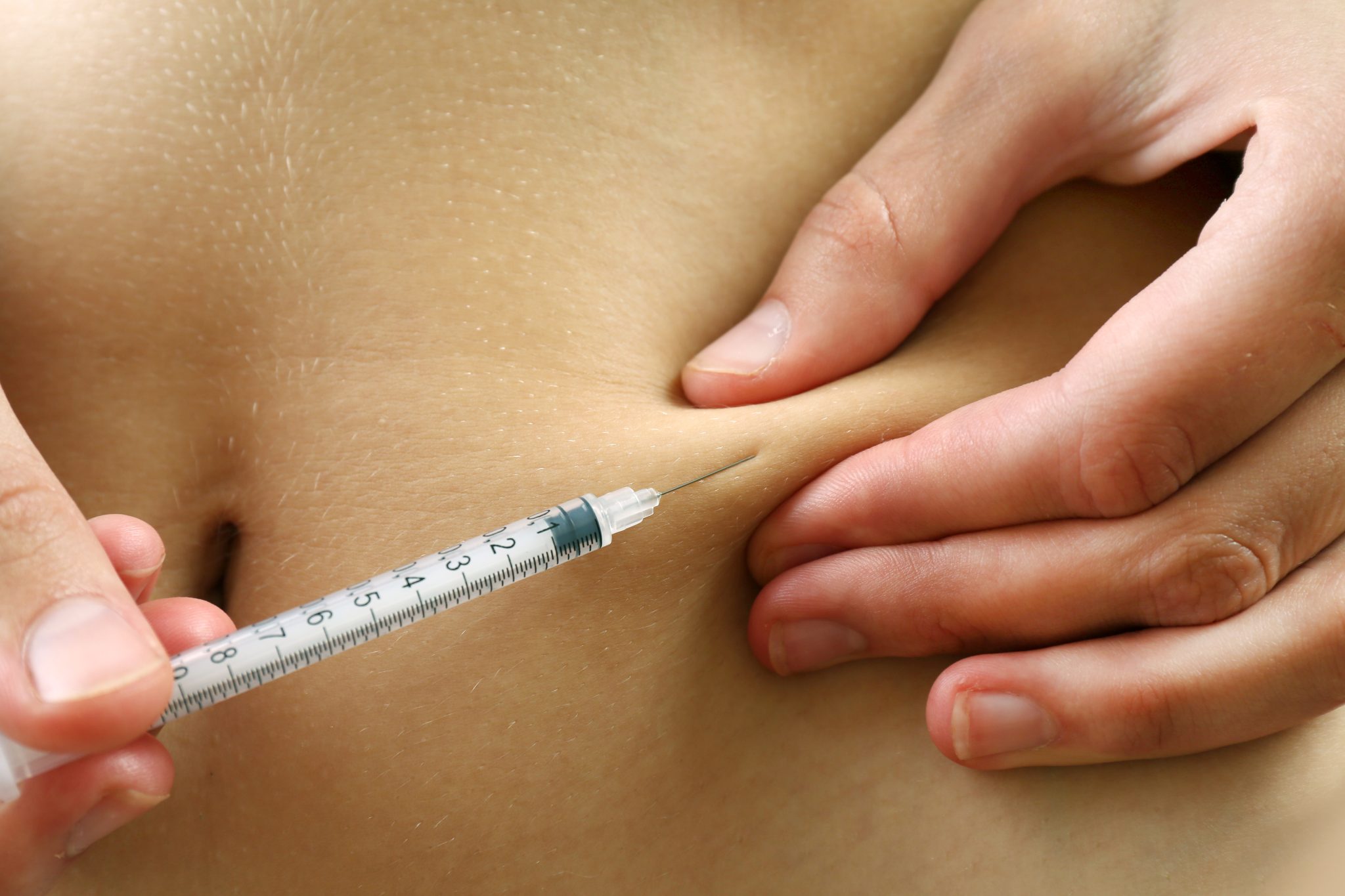
- Abdomen or upper arm: Gently pinch a 1–2 inch fold of skin.
- Thigh: When there is enough fat, stretching the skin flat may be more comfortable.
This helps make sure the injection goes into fatty tissue, not muscle.
Insert the Needle at a Correct Angle
Most tirzepatide pens are designed so you only need to hold them at a 90-degree angle against the skin. This helps ensure consistent depth and reduces irritation.
Press the Pen Firmly—But Not Too Hard
You should apply enough pressure to keep the pen steady, but not so much that it digs into the skin. Too much pressure increases pain and bruising.
Inject Slowly and Steadily
A slow, steady injection can reduce discomfort. Many pens have an automatic injection button, so focus on keeping the pen still and calm until the timer or click indicates completion.
Keep the Pen in Place for the Required Time
Most pens require keeping the device pressed against the skin for several seconds after the medicine is delivered. Removing it too early may increase irritation.
How to Reduce Bruising After the Injection
- Avoid rubbing or massaging the site. This can break small blood vessels.
- Apply gentle pressure with a cotton ball. Hold it in place for 10–20 seconds.
- Use a cool pack if needed. Place a cold pack over clothing (never directly on the skin) for a few minutes to reduce swelling.
- Do not re-inject nearby. Give bruised areas time to heal.
How to Reduce Lumps at the Injection Site
- Rotate injection sites every week. Move at least 1 inch away from the previous spot.
- Do not inject into scar tissue, moles, or hardened skin.
- Use a slow injection technique to help the medicine spread evenly.
- Avoid scratching or pressing on the area.
Most lumps shrink over time. If a lump becomes painful, red, or warm, contact a healthcare provider.
When It May Be a Concern
Seek medical advice if you notice:
- A lump that grows or does not improve over several weeks
- Redness that spreads
- Warmth or pus
- A rash around the injection area
- Severe pain during or after injection
These symptoms may indicate infection or irritation and should be evaluated.
Common Injection Errors and How to Avoid Them
Injecting tirzepatide is usually simple once you learn the steps. Still, mistakes can happen, especially when you are new to using weekly injections. Most injection errors are not dangerous, but they can cause discomfort, bruising, or reduced effectiveness of the medication. This section explains the most common errors, why they occur, and how you can prevent them.
Injecting at the Wrong Angle
Tirzepatide must be given subcutaneously, which means the medicine needs to enter the fatty layer just under the skin. If the needle goes in at the wrong angle, the medication may end up too shallow or too deep.
Too shallow (into the upper skin layer):
- Can cause stinging or burning.
- May lead to a raised bump because the medicine is sitting just under the surface.
- Could affect how the medication absorbs.
Too deep (into the muscle):
- Can be painful.
- May cause faster absorption than expected.
- Could increase bruising.
How to avoid:
- Hold the pen at a 90-degree angle to the skin unless your healthcare provider teaches you a different method.
- Make sure the skin is relaxed, not tensed.
- Press the pen firmly until you hear the click.
- Keep the pen still until the full dose is delivered.
Injecting Into Muscle Instead of Fat
Some people accidentally inject into muscle, especially in the thigh or upper arm. Muscle injections can hurt more and may cause more bleeding or bruising.
Why it happens:
- Injecting in a spot with very little fat.
- Using too much pressure and pressing the needle deeper than needed.
- Not pinching up the skin when needed (especially for very lean individuals).
How to avoid:
- Choose areas with a soft, fatty layer.
- If you have less fat, gently pinch the skin while injecting.
- Avoid areas where bone or muscle is easy to feel.
Injecting Into Scar Tissue, Stretch Marks, or Damaged Skin
Tirzepatide absorbs best when placed into healthy, intact skin. Injecting into scar tissue, stretch marks, hard lumps, or irritated skin can affect delivery and comfort.
Why to avoid:
- Scar tissue absorbs poorly.
- Stretch marks are more sensitive and may bruise.
- Hard lumps (from repeated injections) may cause pain.
- Broken or irritated skin can increase the risk of infection.
How to avoid:
- Inspect the skin before each injection.
- Choose smooth, healthy skin with no redness or bruising.
- Rotate injection sites regularly so you do not overuse the same spot.
Injecting Through Clothing
Some people try to inject through clothing for convenience, but this is not recommended.
Why it is a mistake:
- The needle can pick up fibers or dirt, raising the infection risk.
- Clothing can block the needle from entering at the correct depth.
- Pressure and angle become harder to control.
- It is harder to see if the skin is clean.
How to avoid:
- Always expose the skin.
- Clean the area with an alcohol wipe.
- Make sure the skin is dry before inserting the needle.
Injecting Into an Area That Has Not Fully Healed
If your last injection site is still sore, red, or bruised, avoid using that area again. Re-injecting too soon into a healing spot may worsen irritation.
Signs the area needs more healing time:
- Lingering soreness.
- Purple or dark bruises.
- Hard or raised lumps.
- Redness or swelling.
How to avoid:
- Rotate sites every week.
- Give each area several weeks of rest before using it again.
- Keep a rotation plan or mark sites on a chart if needed.
Moving the Pen Too Soon
It is important to keep the pen in place for the entire dose. Removing it early can cause the medicine to leak out.
Why it happens:
- Not holding the pen long enough.
- Fear of needles causing a quick removal.
- Not hearing or noticing the final click.
How to avoid:
- After the first click, keep the pen pressed for the full recommended time (often 10 seconds—follow device instructions).
- Watch the dose window (if your device has one) to confirm delivery.
- Keep your hand steady until the dose is complete.
Missing a Dose Because of an Injection Error
Sometimes people worry that an injection error means they missed their dose. In most cases, if the pen clicked and the medication was delivered under the skin, the dose has been taken.
If the medicine leaks, or you believe the dose was not given:
What to do:
- Do not take an extra dose right away.
- Check the manufacturer’s instructions for missed doses.
- Usually, if it is within a certain time window, you may take the dose.
- If too much time has passed, skip the dose and take the next one at the regular time.
- When unsure, contact your healthcare provider or pharmacist.
Most injection errors are preventable with practice, and small mistakes rarely cause harm. Taking time to choose the right site, holding the pen steady, and rotating locations each week will make your injections safer, easier, and more comfortable over time.
Safety Considerations for Special Populations
Tirzepatide is generally safe for most adults when injected correctly, but certain groups may need to take extra care with how and where they inject it. These groups may have differences in skin, body fat, mobility, or health conditions that change what is easiest, safest, or most comfortable. The information below explains what these groups should think about before injecting tirzepatide and why these factors matter.
People With Larger Bodies (Including Those With Obesity)
Individuals with a higher body mass or more body fat can safely use tirzepatide, but they should make sure they are injecting into the subcutaneous fat layer, not muscle. This is important because tirzepatide is designed to work best when injected into fatty tissue just below the skin.
Here are helpful points for people in larger bodies:
- Pinching the skin may help: Gently lifting the skin between the fingers can make it easier to reach the fat layer and avoid deeper tissues.
- The abdomen is often easiest: Many people find the abdomen has the most consistent fat and is the most accessible.
- Use the full length of the needle: Tirzepatide pens come with a needle length designed for adults of all sizes. It does not need to be adjusted.
- Choose areas that feel soft: Firmer areas or areas with scar tissue may not absorb the medication as evenly.
If someone is unsure whether they are injecting in the right place, they may ask a healthcare professional to check their technique. A nurse or pharmacist can help confirm proper injection depth and angle.
Older Adults
As people age, their skin and fat distribution change. Skin may become thinner, more fragile, or more sensitive. These changes can affect how tirzepatide injections feel and how the body reacts to them.
Key considerations for older adults include:
- Avoid areas with very thin skin: Thin skin can bruise more easily and may not provide enough fatty tissue.
- Rotate sites carefully: Older adults may have reduced skin elasticity, so rotating sites helps prevent irritation or long-term skin changes.
- Inject slowly: A slower injection may reduce tenderness or stinging.
- Check the skin regularly: Look for redness, bruising, or swelling, as these may take longer to heal with age.
- Consider using the thigh if mobility allows: The thigh often has a stable layer of fat and may be easier to reach.
If an older adult has medical conditions that affect skin health—such as diabetes-related skin changes—they may need extra support selecting injection sites.
People With Reduced Mobility or Limited Arm Movement
Some individuals may have difficulty reaching certain injection areas due to arthritis, injuries, disabilities, or limited shoulder movement. Safety and comfort are important priorities in these cases.
To make injections easier:
- Choose the site that is easiest to reach: Many people prefer the thigh because it does not require twisting or lifting the arm.
- Ask a caregiver for help when needed: A trusted helper may be able to assist with injections in the upper arm or abdomen if the individual cannot reach those areas.
- Use a consistent routine: Doing injections at the same time and location each week can help reduce mistakes.
- Keep supplies nearby: Keeping alcohol wipes, the pen, and a sharps container in one place makes the process smoother and reduces the risk of injury.
- Avoid stretching or straining: Do not twist the body to reach an injection site, as this may lead to falls or pulled muscles.
If mobility problems are severe, a healthcare provider can help identify the safest approach or suggest adaptations, such as seated injection positions.
People With Skin Conditions or Damaged Skin
Some conditions make certain areas unsafe for injection. These include eczema, psoriasis patches, infections, burns, or areas with scars or stretch marks.
If someone has skin concerns:
- Avoid injecting into swollen, red, or damaged skin.
- Stay away from scarred areas, as medication may not absorb well there.
- Use areas with clean, unbroken skin to reduce risk of infection.
- If flare-ups are common, rotating sites becomes even more important.
Anyone with frequent skin problems should talk with a healthcare provider to choose the safest areas.
When to Seek Individualized Medical Advice
While general guidelines help most people, there are times when professional advice is needed. A healthcare provider should be consulted if someone:
- Has major skin changes around injection areas
- Notices repeated bruising or lumps
- Cannot reach approved injection sites safely
- Is unsure whether they are injecting into fat or muscle
- Experiences persistent pain after injections
Medical professionals can give tailored guidance based on a person’s body type, health conditions, or physical abilities.
Conclusion
Understanding where and how to inject tirzepatide is one of the most important steps in using this medication safely and effectively. Many people feel nervous when they first learn they must give themselves a weekly injection, but with practice, the process becomes simple and routine. The key is having clear information, knowing what to expect, and feeling confident about the choices you make during each injection.
Tirzepatide is designed to be injected just under the skin, also called a subcutaneous injection. This means the medication goes into the layer of fat between the skin and the muscle. This area allows the drug to absorb slowly and steadily, which is exactly how the medication is meant to work. Because of this, only three places on the body are approved for injections: the abdomen, the front of the thigh, and the back of the upper arm. Each of these areas has enough fatty tissue for the medication to enter the body at the correct depth.
The abdomen is often considered the easiest place to inject for most people because it is simple to reach and has a large, soft surface area. Most people inject at least two inches away from the belly button to avoid sensitive skin. The thigh is another good option, especially for people who prefer to sit down while injecting or who want a change from using the abdomen. The upper arm is a safe location as well, but it can be hard to reach on your own, so some people need a partner to help. No matter which site you choose, it is important to rotate your injection locations to prevent irritation or thickening under the skin. Using the same small spot over and over can cause lumps or swelling that make future injections uncomfortable.
Learning to give the injection step-by-step also helps reduce stress. Preparing the pen, choosing a clean area on the skin, injecting at the right angle, and following the device instructions help ensure the medication reaches the right place. Proper disposal of the pen or needle is also part of safe use. When you follow these instructions, you lower your risk of pain, bruising, or other problems.
Even when you do everything correctly, it is normal to experience mild discomfort at times. A small amount of redness, tenderness, or a light bruise can happen because the needle enters the skin. These effects usually fade on their own. You can lower your chances of discomfort by relaxing your muscles, using a clean and dry area of skin, and avoiding spots that are already sore, bruised, or irritated. Changing the angle slightly or choosing a different injection site on the next dose can also make a big difference in comfort. If pain becomes severe, lasts more than a few days, or spreads beyond the injection area, it is important to contact a healthcare professional, because this may signal an infection or another issue that needs attention.
Most injection errors can be avoided with careful technique, but mistakes do happen. For example, injecting through clothing or injecting into a muscle instead of the fatty layer can cause increased pain or reduced absorption. Injecting too shallow may cause medication to leak out. If you think you did not get your full dose, you should follow the dosing instructions provided with the medication or ask your prescriber or pharmacist what to do next. It is helpful to slow down during injections, give yourself time, and avoid rushing.
Different people have different needs when it comes to injections. Older adults may need help reaching the back of the arm. People with limited mobility may rely more on the abdomen or thigh. Individuals with larger bodies should know that any approved site is safe as long as they inject into the fatty layer. The most important thing is to choose a site that feels comfortable, easy to reach, and safe for you.
Using tirzepatide correctly can support its full benefits, whether your goal is better blood sugar control, weight management, or both. A calm and steady approach to injections helps build confidence over time. If you ever have concerns about how or where to inject, a healthcare professional can guide you and help make the process easier. With the right knowledge and habits, weekly injections become a normal part of your routine and an effective piece of your overall treatment plan.
Research Citations
Eli Lilly and Company. (2025). Mounjaro (tirzepatide) injection prescribing information [Package insert]. U.S. Food and Drug Administration. URL: pi.lilly.com/us/mounjaro-uspi.pdf
Eli Lilly Canada Inc. (2023). Mounjaro (tirzepatide injection): Product monograph [Prescribing information]. Health Canada. URL: pdf.hres.ca/dpd_pm/00073189.PDF
Therapeutic Goods Administration. (2023). Australian product information: Mounjaro (tirzepatide). URL: tga.gov.au/sites/default/files/2023-11/auspar-mounjaro-231113-pi.pdf
Eli Lilly and Company. (2025). Zepbound (tirzepatide) injection prescribing information [Package insert]. U.S. Food and Drug Administration. URL: pi.lilly.com/us/zepbound-uspi.pdf
Schneck, K., & Urva, S. (2024). Population pharmacokinetics of the GIP/GLP receptor agonist tirzepatide. CPT: Pharmacometrics & Systems Pharmacology, 13(3), 494–503. DOI: 10.1002/psp4.13099
Eli Lilly and Company. (2023). A study of tirzepatide at different injection sites in participants with different body sizes (NCT04050670) [Clinical trial registration]. ClinicalTrials.gov. URL: clinicaltrials.gov/study/NCT04050670
Eli Lilly and Company. (n.d.). Are there safety or efficacy differences between Zepbound (tirzepatide) injections in the abdomen versus thigh versus upper arm? Lilly Medical. URL: medical.lilly.com/us/products/answers/are-there-safety-or-efficacy-differences-between-zepbound-tirzepatide-injections-in-the-abdomen-versus-thigh-versus-upper-arm-219697
Mayo Clinic. (2025). Tirzepatide (subcutaneous route). In Mayo Clinic drugs and supplements. URL: mayoclinic.org/drugs-supplements/tirzepatide-subcutaneous-route/description/drg-20534045
Medical News Today. (2024). Mounjaro injection sites: Where and how to inject. Medical News Today. URL: medicalnewstoday.com/articles/drugs-mounjaro-injection-sites
Eli Lilly and Company. (2025). Dosing, how to use & how to inject Zepbound (tirzepatide) injection. Zepbound official website. URL: zepbound.lilly.com/weight/how-to-use
Questions and Answers: Where Can I Inject Tirzepatide
Tirzepatide is injected subcutaneously (under the skin) in the abdomen, thigh, or upper arm.
Yes. The abdomen is the most common injection site. Avoid injecting within 2 inches (5 cm) of the navel.
Yes. The front of the thigh, anywhere between the hip and the knee, is an approved site.
Yes. The back of the upper arm can be used, though many people need assistance to reach this spot.
Absolutely. Rotating injection locations each week helps prevent irritation, lumps, or bruising.
No. You can use the same general area (e.g., abdomen), but switch to a different spot within that area each time.
No. Tirzepatide is designed for subcutaneous (fat layer) injection, not intramuscular injection.
It is not a standard recommended site. Approved sites are the abdomen, thigh, and upper arm.
Mild redness or tenderness can be normal. If it becomes very red, swollen, painful, warm, or lasts more than a few days, contact your healthcare provider.
No. You may use either side. The important part is rotating sites and properly following subcutaneous injection technique.

Dr. Kevin Kargman
Dr. Kevin J. Kargman is a pediatrician in Sewell, New Jersey and is affiliated with multiple hospitals in the area, including Cooper University Health Care-Camden and Jefferson Health-Stratford, Cherry Hill and Washington Township. (Learn More)