
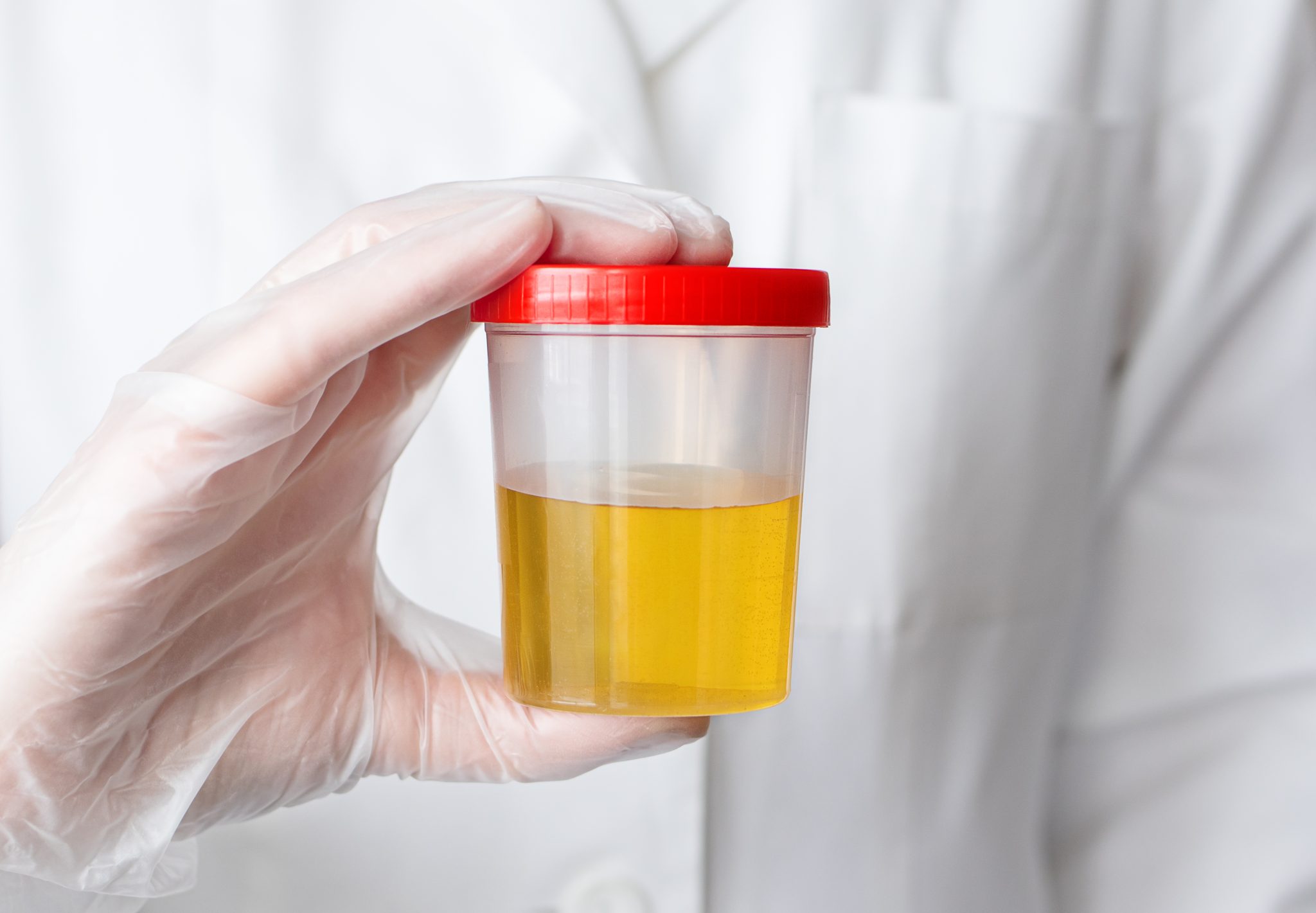
Table of Contents
Introduction: Why Urine Color Matters During Semaglutide Treatment
When people begin taking semaglutide, whether it is Ozempic, Wegovy, or Rybelsus, they often pay close attention to changes in their bodies. This is normal, especially with a medication that affects appetite, digestion, metabolism, and blood sugar levels. One change that some people notice early on is a shift in the color of their urine. Urine that looks more yellow, brighter than usual, or darker than expected can cause worry. Many people search online to find out if this is a common effect, if it is dangerous, or if it means something is wrong with their kidneys, their hydration, or the medication itself. Understanding why urine color changes and what it usually means can help people feel more confident and informed as they continue treatment.
Semaglutide works by mimicking a natural hormone in the body called GLP-1. This hormone helps regulate blood sugar, slows the movement of food in the stomach, and sends signals that make a person feel full sooner. Because of these effects, semaglutide is used for both type 2 diabetes and weight management. While it has many benefits, the way it changes appetite and digestion can also lead to side effects. Some of these side effects, such as nausea, vomiting, diarrhea, or reduced desire to eat or drink, can affect hydration. Since urine color is closely linked to how much water someone drinks and how much fluid they lose, even small changes in eating or drinking habits can cause the urine to appear more yellow.
Most of the time, yellow urine during semaglutide treatment is harmless and simply reflects the concentration of the urine. Urine naturally has a yellow pigment called urobilin. When a person drinks less water or loses more fluids, the kidneys conserve water, leaving the urobilin more concentrated. This makes the urine appear darker or deeper yellow. Because semaglutide commonly reduces appetite and may reduce how much someone drinks, it is easy to become mildly dehydrated without realizing it. Even mild dehydration can change urine color quickly, sometimes within a few hours.
Another reason urine may appear more yellow is the use of vitamins or supplements. Many people change their diet when starting semaglutide, and some may add multivitamins, protein shakes, hydration mixes, or meal replacement products. Vitamin B2, or riboflavin, in particular, is known for causing bright, almost neon yellow urine. This type of color change is harmless, but it can still surprise someone who has not seen it before. Because semaglutide affects eating patterns, including how often and how much a person eats, it can unintentionally increase the amount of supplements someone uses to make sure they get enough nutrients. This makes supplement-related urine color changes more likely.
Some people also wonder if semaglutide affects the kidneys directly. For most people, semaglutide does not harm the kidneys and does not change the color of urine through direct chemical effects. However, dehydration from side effects can affect kidney function temporarily if fluid loss becomes severe. This is one reason why it is important to watch for other symptoms like dizziness, very dark urine, or trouble urinating. These signs may indicate that the body needs more fluids or medical attention. Usually, though, changes in urine color do not point to kidney problems. They simply reflect hydration levels, diet, or supplement use.
Because urine color is an easy and quick signal of what is happening in the body, it can serve as a helpful guide while taking semaglutide. Many people look at their urine throughout the day without thinking much about it, but during a new medication routine, these small details feel more important. For this reason, having clear, accurate information can help reduce worry. Understanding why urine color may change, what the most likely causes are, and when a color change actually matters can help someone feel more in control of their treatment experience.
This article explains each of these topics in detail. It will help you understand what normal urine color looks like, whether semaglutide directly causes any changes, how dehydration can deepen the yellow shade, how diet and vitamins may play a role, and when urine color changes should be checked by a healthcare provider. The goal is to give you clear, practical information that helps you feel confident as you continue your semaglutide treatment.
What Determines Normal Urine Color? Baseline Physiology
Urine color may seem like a small detail, but it can tell you a lot about what is happening inside your body. Before looking at how semaglutide might influence urine color, it is important to understand how urine color normally changes from day to day. This section explains what gives urine its color, how hydration plays a key role, and how common foods, vitamins, and medications can shift the shade of your urine. Knowing the basics helps you understand what is normal and what might signal a problem.
Urine Pigments: Why Urine Is Naturally Yellow
The natural yellow color of urine comes from a pigment called urobilin (sometimes called urochrome). Urobilin is made when your body breaks down old red blood cells. Your liver processes these cells, and the pigment by-products enter your bloodstream. Your kidneys then filter these pigments out, which is why they show up in urine.
A small amount of urobilin creates a pale yellow color. More urobilin creates a deeper yellow or amber color. This is normal and reflects how much water your body is holding onto. The pigment itself is harmless, but the concentration of it can help you understand your hydration level.
How Hydration Changes Urine Color
Hydration is the number one factor that affects urine color in healthy people. Your kidneys balance fluid levels in the body. When you have plenty of water:
- Your kidneys release more water into the urine
- The urobilin pigment becomes diluted
- Your urine looks pale yellow or almost clear
When you are dehydrated or simply not drinking enough:
- Your kidneys hold onto water to protect the body
- Less water gets released into urine
- The same amount of pigment becomes more concentrated
- Your urine becomes a deeper yellow, amber, or even gold
Even mild dehydration, such as after exercise or a busy morning without water, can darken urine color. This is why urine color is often used as a simple hydration guide.
Daily Factors That Can Change Urine Color
Normal urine color can shift for many harmless reasons unrelated to medications. These include:
Vitamin Supplements
Vitamins—especially vitamin B2 (riboflavin)—are a very common cause of bright-yellow or neon-yellow urine. Riboflavin is water-soluble, which means your body removes the extra amount through urine. Even a small supplement dose can change urine color for several hours.
Many multivitamins, energy drinks, and flavored hydration powders contain riboflavin.
Certain Foods
Foods can also change urine color. Examples include:
- Beets → red or pink urine
- Carrots → orange urine
- Berries → slightly reddish tint
- Asparagus → strong odor, sometimes slight color changes
These food-related changes are not dangerous and usually go away quickly.
Food Dyes
Brightly colored drinks or candies with strong food dyes may pass into urine. This can produce yellow, blue, or even greenish tints. Hydration level, however, still affects how noticeable these changes are.
Medications
Several medications can darken or brighten urine. Common examples include:
- Some antibiotics (e.g., rifampin) → orange
- Certain bladder medications → blue-green
- Pain medications with dyes → various colors
These effects happen because medications or their breakdown products pass through the kidneys.
What Is Considered a Normal Shade of Yellow?
Normal urine color ranges from very light yellow to medium yellow. Healthy variations include:
- Clear or very pale yellow: Good hydration
- Light yellow or straw-colored: Typical
- Yellow to amber: Slight dehydration or normal morning urine
Your first morning urine is usually darker because your body has not taken in fluids overnight. This is not harmful unless the color stays very dark throughout the day.
When Normal Yellow Becomes a Warning Sign
Most yellow shades are normal. But very dark yellow or amber urine can signal that your body needs more fluids. If hydration does not change the color after several hours, the darker shade may mean your kidneys are holding onto water due to illness, fluid loss, or medication side effects.
If dark urine appears with other symptoms—such as dizziness, vomiting, very dry mouth, or reduced urination—it may be a sign of more serious dehydration.
Urine that appears brown, red, pink, or orange is not considered a normal variation when it persists. Those colors may point to blood, liver issues, muscle breakdown, or medication effects. These should be checked by a healthcare provider.
Urine color is mainly controlled by hydration and the natural pigment urobilin. When you drink plenty of water, urine becomes lighter. When you are dehydrated, urine becomes darker because the pigment becomes more concentrated. Foods, vitamins, dyes, and medications can also shift the color, often in harmless ways. Most shades of yellow are normal, but very dark yellow or unusual colors that do not improve with hydration may need medical attention. Understanding these basics helps you know what changes to expect and what might require follow-up while using semaglutide.
Can Semaglutide Directly Change Urine Color?
Many people taking semaglutide—whether Ozempic, Wegovy, or Rybelsus—notice changes in their bodies during treatment. One change that some people report is that their urine looks more yellow than usual. Because urine color can be a sign of hydration or health, it is normal to wonder if the medication itself is causing it. This section explains what is known from research, how the drug moves through the body, and why most urine color changes are not caused directly by semaglutide.
Semaglutide and Urine Color in Medical Studies
In clinical studies, semaglutide has not been shown to directly change the color of urine. This means that researchers did not find evidence of the drug turning urine yellow, dark, cloudy, or otherwise discolored. Urine discoloration is also not listed as a common or expected side effect in prescribing information for Ozempic, Wegovy, or Rybelsus.
This does not mean people never notice changes. It simply means that when urine color does change, it is usually caused by indirect effects of the medication rather than the drug itself. These indirect causes include things like dehydration, nausea, vomiting, or diet changes—topics covered in later sections.
But first, it helps to understand how semaglutide behaves in the body.
How Semaglutide Is Processed by the Body
Semaglutide enters the bloodstream and works by activating GLP-1 receptors. These receptors affect blood sugar control, digestion, and appetite. But unlike many other medications, semaglutide is not broken down by the kidneys and does not pass out of the body through urine in meaningful amounts.
Here is what happens instead:
- Semaglutide is mostly broken down inside the body by regular protein pathways.
The body treats semaglutide like a very slow-acting protein. Enzymes break it down into smaller pieces. - Only tiny amounts reach the urine.
Small fragments may appear in urine, but they are not the type that change urine color. - The kidneys do not filter semaglutide as their main job.
Because the drug is not cleared by the kidneys, it does not “spill” into urine the way some medicines do.
Semaglutide does not carry color, and it is not excreted in the urine in a way that would tint urine yellow.
If Semaglutide Does Not Change Urine Color Directly, Why Do People Notice Changes?
Most reports of yellow or darker urine come from indirect effects, which means the drug causes something else to change, and that second change affects urine color.
Here are the main reasons:
Dehydration
Semaglutide commonly causes nausea, vomiting, or reduced thirst. When people drink less water, urine becomes more concentrated. Concentrated urine looks:
- Dark yellow
- Amber
- Sometimes even orange
This is the top reason urine color changes in people taking semaglutide.
Changes in Diet or Supplements
Because appetite decreases, many patients eat differently:
- More protein shakes
- More vitamins
- More electrolyte drinks
- More meal replacements
Some supplements, especially those containing vitamin B2 (riboflavin), can create very bright yellow or neon yellow urine.
Digestive Side Effects
Diarrhea or vomiting can cause fluid loss. Even mild fluid loss can deepen the color of urine because the kidneys conserve water when the body is low on fluids.
Illness or Stress on the Kidneys
This is less common but important. If dehydration becomes severe, the kidneys may not work as well. When kidneys struggle, urine can become darker because it is more concentrated or because less fluid is being produced.
However, again, this is related to dehydration—not the drug itself coloring urine.
Why It Is Important to Separate Direct and Indirect Effects
Understanding what the medication is actually doing allows you to decide whether a urine color change is harmless or a sign that you need more fluids.
- Direct effect: Semaglutide itself changes urine color.
→ This does not happen. - Indirect effect: Semaglutide causes symptoms that change hydration or diet, which then affects urine color.
→ This is very common.
This helps patients avoid unnecessary worry while still paying attention to their hydration and overall health.
Semaglutide does not directly cause urine to turn yellow. Research shows the drug is not excreted in urine in amounts that would change its color. However, people may notice yellow or darker urine because semaglutide can lead to dehydration, reduced fluid intake, digestive symptoms, or diet changes. These indirect effects, not the medication itself, are the real reasons urine color may shift during treatment.
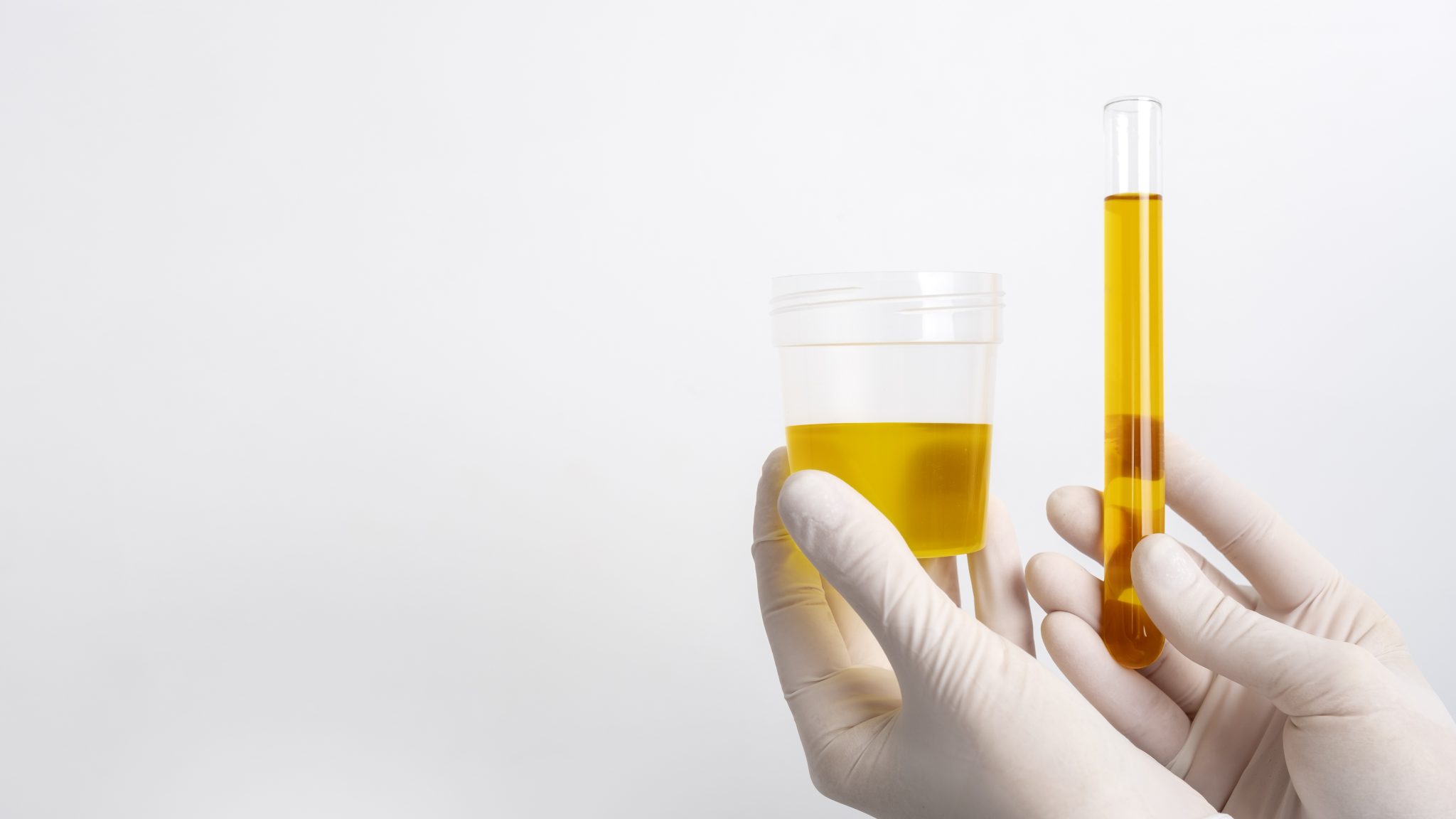
Dehydration: The Most Common Reason Semaglutide May Deepen Urine Yellow
Dehydration is the number one reason people notice that their urine turns a darker yellow while taking semaglutide. Even though semaglutide does not directly change urine color, it can lead to changes in the body that make dehydration more likely. When your body loses more fluid than it takes in, your urine becomes more concentrated. This concentration makes the natural yellow pigment, called urobilin, appear darker and stronger.
Understanding why semaglutide raises the risk of dehydration can help you protect your health and know when you need more fluids.
How Semaglutide’s GI Side Effects Lead to Fluid Loss
Semaglutide often causes gastrointestinal (GI) symptoms, especially when people first start the medication or increase their dose. These symptoms can lead to direct or indirect fluid loss:
Nausea
Many people feel mild to moderate nausea during the first few weeks of treatment. When nausea is present, people often drink less water because the idea of drinking makes them feel worse. Even losing just one or two cups of usual daily fluids can make a noticeable difference in hydration.
Vomiting
Some individuals experience vomiting, especially during dose changes. Vomiting removes fluid from the body very quickly. Even one episode can cause temporary dehydration, and repeated vomiting can make the urine turn dark yellow or even amber.
Diarrhea
Diarrhea causes the body to lose both water and electrolytes. This type of fluid loss happens fast, and the kidneys react by conserving water. When kidneys save more water, urine output decreases and the color becomes deeper.
Constipation and Low Fluid Intake
Although constipation itself does not directly cause dehydration, the main risk comes from individuals drinking too little water to avoid stomach discomfort. Constipation also makes some people eat less fiber or fewer hydrating foods like fruits and vegetables, which may reduce total water intake further.
Reduced Appetite Can Mean Reduced Fluid Intake
Semaglutide is well-known for lowering appetite. While this helps with blood sugar control and weight loss, it also means many people eat and drink less overall. When you eat fewer meals, you also naturally lose the fluids that come from foods—especially fruits, vegetables, soups, and other water-rich items.
People may also skip beverages that they normally drink with meals, such as water, tea, or milk. Over several days, this lower intake adds up and can cause:
- Darker yellow urine
- Less frequent urination
- A dry mouth or lips
- Feeling tired or lightheaded
These are all common signs that the body needs more fluid.
How Dehydration Concentrates Urine and Deepens Its Color
The kidneys are responsible for removing waste from the blood. They also balance the body’s fluid levels. When the body has enough water, the kidneys easily filter waste and produce pale yellow urine.
But when the body is dehydrated—even slightly—the kidneys must save as much water as possible. They do this by:
- Producing less urine
- Returning more water to the bloodstream
- Keeping more fluid in the body to protect important organs
As a result, the smaller amount of urine that is produced becomes highly concentrated with pigments. This makes the yellow color look darker, deeper, or more intense. Some people describe the change as “dark yellow,” “amber,” or even “brownish-yellow” when dehydration becomes more serious.
Early Warning Signs That Dehydration Is Developing
Recognizing dehydration early can help prevent health problems. Some signs include:
- Dark yellow or strong-smelling urine
- Trouble thinking clearly or feeling foggy
- Dry mouth or sticky saliva
- Feeling dizzy when standing up
- Headaches
- Tiredness or weakness
- Constipation
- Urinating less often than usual
Even mild dehydration can make you feel unwell. In people taking semaglutide, dehydration can also increase the risk of kidney strain, which makes it even more important to pay attention to these signs.
When Dehydration Becomes a Serious Concern
If you have ongoing vomiting, severe nausea, or diarrhea that lasts more than a day, dehydration can become dangerous. Urine may turn very dark, and you may urinate only a few times a day or not at all. In these cases, you should contact a healthcare provider right away.
People with kidney disease, heart disease, or those who take diuretics (“water pills”) have a much higher risk of complications from dehydration. These individuals should talk with their healthcare provider about a safe hydration plan before starting semaglutide.
Dehydration is the most common cause of darker yellow urine in people taking semaglutide. GI side effects such as nausea, vomiting, and diarrhea can reduce fluid levels quickly. Appetite loss can also decrease daily water intake without you noticing. When the body has less fluid, the kidneys conserve water, leading to concentrated urine with a stronger yellow color. By watching for early signs of dehydration and maintaining regular fluid intake, you can help keep your urine color within a normal range and protect your kidney health while using semaglutide.
Bright Yellow Urine and the Role of Vitamins, Supplements, and Diet Changes
Many people who take semaglutide notice that their urine sometimes becomes a much brighter yellow than usual. This change can look surprising, especially if the color seems neon or very bold. While this may feel alarming at first, bright yellow urine is often linked to common diet changes, vitamins, and supplements, not the medicine itself. Semaglutide affects appetite, food choices, and how often people eat. These shifts can indirectly change the color of urine. Understanding why this happens can help you stay calm and make better decisions about hydration and nutrition.
How Appetite Changes Can Affect What You Eat
Semaglutide lowers appetite and helps you feel full sooner. Because of this, many people eat smaller meals or skip snacks. When food intake goes down, eating patterns often change in other ways too. For example:
- You might rely more on quick meals, such as shakes or meal replacement drinks.
- You may choose easy-to-digest foods, which often include fortified products.
- You may use protein powders, vitamins, or electrolyte mixes to make up for fewer meals.
These changes can affect urine color because many processed drinks, shakes, and supplements contain nutrients that pass into the urine.
Riboflavin (Vitamin B2): The Most Common Cause of Bright Yellow Urine
One of the most common reasons for “neon yellow” urine is riboflavin, also known as vitamin B2. Riboflavin has a natural bright yellow pigment. When you take more riboflavin than your body needs, your kidneys remove the extra amount and send it out through your urine. This causes urine to turn a bold, fluorescent yellow.
Riboflavin is found in:
- Multivitamins
- B-complex vitamins
- Energy drinks
- Protein shakes
- Meal replacement drinks
- Fortified breakfast foods
Even a single vitamin tablet can make urine look bright yellow for several hours. This is normal, harmless, and does not mean you are dehydrated or ill.
Because many people on semaglutide use supplements to help meet nutrition goals while eating less food, riboflavin intake often goes up without them realizing it.
Hydration Powders and Sports Drinks Can Also Affect Urine Color
Another common source of bright yellow urine is hydration powders or electrolyte mixes. Many of these products use dyes or natural colorings that can tint urine. Even mixes advertised as “clean” or “natural” often contain B vitamins or minerals that change urine color.
It is not unusual for someone on semaglutide to drink these products more often because:
- They feel full and drink flavored products instead of eating.
- They want to prevent dehydration.
- They use electrolyte mixes to ease nausea.
These choices can all lead to stronger urine colors.
How to Tell Vitamin-Related Changes From Dehydration
Bright yellow urine from vitamins is usually easy to spot. It often appears:
- Fluorescent or highlighter-yellow
- Clear rather than dark
- More noticeable soon after taking a vitamin or shake
In contrast, dehydrated urine is usually:
- Dark yellow, amber, or honey-colored
- Stronger smelling
- Accompanied by symptoms like dry mouth or headache
Both types of color change are common in people taking semaglutide, but they have different causes.
Why Urine Color Can Shift More Often When Taking Semaglutide
Because semaglutide changes your daily habits, urine color may shift many times during the week. The following factors contribute:
- Lower food intake means nutrients are absorbed differently.
- Supplements may be used more often to make up for smaller meals.
- Hydration levels may change from day to day due to nausea or reduced thirst.
- You may experiment with new shakes, powders, or efficiency-focused foods.
These changes are normal as your body adjusts to the medicine.
Is Bright Yellow Urine a Safety Concern?
In most cases, no. Bright yellow urine caused by vitamins or fortified foods is harmless. It does not damage the kidneys and does not signal a serious problem. The color will fade once the vitamin or supplement has moved through your system, usually within a day.
However, if urine becomes dark, brown, tea-colored, or orange, or if the color change comes with pain, dizziness, or changes in urination, you should speak with a healthcare professional.
Bright yellow urine while taking semaglutide is usually linked to vitamins, supplements, protein shakes, or fortified foods, especially those containing riboflavin (vitamin B2). These products often become part of a person’s diet after appetite drops. This kind of urine color change is harmless and different from the darker yellow that comes from dehydration. Understanding why these shifts happen can help you monitor your health more confidently during treatment.
Kidney Function, Semaglutide, and Urine Color
Semaglutide affects many parts of the body, including digestion, appetite, blood sugar control, and fluid balance. While semaglutide itself does not directly change kidney function, it can influence the kidneys indirectly, mainly through dehydration. Since urine color often reflects how well the kidneys are working, it is important to understand this connection when you notice that your urine has become darker or more yellow while taking the medication.
This section explains how the kidneys work, how semaglutide may affect them, what signs to watch for, and when urine color may signal something more serious than normal dehydration.
How the Kidneys Work and Why Urine Color Matters
Your kidneys act as the body’s filters. They remove waste, balance fluids and electrolytes, and help control blood pressure. To do this, they push blood through tiny structures called nephrons, which separate excess water and waste from what your body needs to keep. The result of this process is urine.
Urine color is often the quickest way to understand how well your kidneys are balancing fluids:
- Pale yellow usually means you are well-hydrated.
- Medium to darker yellow usually means you need more fluids.
- Dark yellow, amber, or brown can indicate dehydration or, in rare cases, a kidney problem.
- Red or pink may suggest blood in the urine (hematuria).
- Foamy or cloudy urine can suggest infection or protein loss.
Because urine color reflects kidneys’ workload and hydration, changes after starting semaglutide are worth paying attention to.
How Semaglutide May Influence the Kidneys Indirectly
Semaglutide is not known to directly harm the kidneys. However, it can influence behaviors and symptoms that affect kidney function. Dehydration is the most important link.
Dehydration from Nausea, Vomiting, or Diarrhea
Gastrointestinal side effects are common, especially during the first weeks or after a dose increase. If you lose fluids through vomiting or diarrhea, or if you drink less because you feel nauseated, your blood volume drops. When blood volume decreases:
- The kidneys have less fluid to filter.
- Urine becomes more concentrated and darker yellow.
- Kidney stress can increase.
In more severe cases, continued fluid loss may lead to acute kidney injury (AKI). AKI happens when the kidneys do not get enough blood flow or become overloaded with waste. This is rare but serious.
Eating and Drinking Less Because Appetite Drops
Semaglutide can lower appetite so much that some people unintentionally drink less water or forget to hydrate. Without enough water, the kidneys cannot dilute urine properly, and it becomes darker.
Even mild dehydration repeated over several days can lead to fatigue, dizziness, headaches, or concentrated urine.
Increased Risk for Kidney Stress in Certain Individuals
People with pre-existing kidney conditions, such as chronic kidney disease (CKD), must be particularly careful. Their kidneys already work harder to filter waste. Dehydration from semaglutide’s side effects can put extra strain on the kidneys.
Healthcare providers usually monitor kidney function more closely in individuals with:
- Diabetes-related kidney problems
- High blood pressure
- Prior episodes of acute kidney injury
- Long-term use of medications that affect the kidneys (for example, NSAIDs)
When Darker Urine May Signal Kidney Issues Rather Than Dehydration
While darker yellow urine often reflects dehydration, certain urine changes might mean something more serious is happening.
Watch for these warning signs:
- Very dark yellow, orange, brown, or tea-colored urine
This may suggest kidney stress, liver problems, or severe dehydration. - Urine that stays dark even after increasing fluid intake
This can point to reduced kidney filtration. - Foamy or bubbly urine
May indicate protein leakage. - Red, pink, or cola-colored urine
Could signal blood in the urine. - Lower urine output
Producing much less urine than usual is a red flag. - Swelling in legs, feet, or hands
When kidneys cannot balance fluid, swelling can occur. - Ongoing nausea, vomiting, or diarrhea
These symptoms can cause rapid loss of fluids and may trigger acute kidney injury if not managed.
If you experience any of these symptoms, it is important to contact a healthcare provider. Early attention can prevent more serious kidney complications.
How to Protect Your Kidneys While Using Semaglutide
Most people taking semaglutide do not experience kidney problems. You can support kidney health by taking simple steps:
- Drink water regularly throughout the day, even if you are not thirsty.
- Sip fluids slowly if you struggle with nausea.
- Increase your intake slightly if urine becomes darker.
- Avoid dehydration triggers, such as skipping meals or drinking excessive caffeine.
- Monitor urine color daily during dose increases.
- Report persistent vomiting, diarrhea, or very dark urine to a healthcare provider.
Your healthcare team may recommend blood tests to check kidney function, especially if you have diabetes or high blood pressure.
Semaglutide does not directly harm the kidneys, but it can increase the risk of dehydration through side effects like nausea, vomiting, or decreased appetite. The kidneys rely on good hydration to filter waste and maintain healthy urine color. When you become dehydrated, your urine becomes darker yellow and more concentrated. In rare cases, severe dehydration can lead to kidney injury. Watching your urine color, staying hydrated, and seeking help for persistent symptoms can protect your kidney health while taking semaglutide.

Does Semaglutide Dosage Influence Urine Color Changes?
Many people notice that their urine color changes at different times while taking semaglutide. This often leads to a common question: Does increasing the dose of semaglutide cause urine to turn yellow or darker? The short answer is that semaglutide itself does not directly change urine color, but dose changes can affect your body in ways that indirectly influence urine color. Understanding why helps you know what is normal and when you should pay closer attention.
How Dose Changes Work With Semaglutide
Semaglutide is usually started at a low dose. After several weeks, the dose is slowly increased. This “step-up” approach helps the body adjust to the medication. Each time the dose increases, the digestive system and appetite centers in the brain also react differently.
Many of the side effects linked to semaglutide—such as nausea, vomiting, reduced appetite, constipation, or diarrhea—are most noticeable right after a dose increase. These symptoms may be mild or temporary, but they can affect how much water you drink and how well your body keeps fluids balanced.
These changes in hydration are the main reason urine color may look different during dose adjustments.
Why Higher Doses Can Make Dehydration More Likely
When the semaglutide dose increases, the body may become more sensitive to its effects. This does not happen to everyone, but it is very common.
Here are the main ways dose increases can lead to dehydration:
More nausea
During the first week or two after a dose increase, nausea often becomes more noticeable. People may drink less water because their stomach feels unsettled. Even small drops in fluid intake can cause urine to look darker yellow.
Occasional vomiting
If vomiting occurs, the body loses both water and electrolytes. Losing fluids quickly concentrates the urine, giving it a deeper yellow or amber color.
Reduced appetite
Higher doses can reduce hunger even more than before. Many people forget to drink water when they also eat less food. Since food contains water, eating less can lower total daily fluid intake.
Early fullness
Feeling full faster makes it harder to sip water throughout the day, especially with meals. Over time, this can lead to mild dehydration and darker urine.
Diarrhea
Some people experience diarrhea at higher doses. This can pull water away from the body quickly, leading to strong, dark yellow urine if hydration is not replaced.
Constipation
Constipation may increase as the dose increases. When stool water is absorbed back into the body to help digestion slow down, less water may be available for urine production. This leads to more concentrated, darker urine.
Does the Medication Dose Directly Alter Urine Color?
No. Semaglutide does not contain dyes or pigments that change urine color. It is also not filtered out through the kidneys in a way that would tint urine. This means:
- A higher dose does not make urine more yellow because of the drug itself.
- A lower dose does not make urine lighter or clearer.
The color changes occur because of how the body responds to the medication, not because the medication changes the urine directly.
What to Expect During Dose Escalation
It is normal for the body to take time to adjust to each new dose. Most side effects related to dehydration peak within the first 1–2 weeks after a dose increase. Then, many people find that symptoms improve as the body adapts.
During this time, you may notice:
- Darker yellow urine in the morning
- Urine that becomes lighter as you hydrate
- Lower thirst, even when the body needs more fluids
- Needing reminders to drink water
Being aware of these patterns helps you stay ahead of dehydration.
Tips to Protect Hydration When Your Dose Increases
- Sip water throughout the day, even if you do not feel thirsty.
- Aim for 6–8 cups of fluid daily, unless your healthcare provider gives different instructions.
- Add electrolytes if you have vomiting or diarrhea.
- Choose foods rich in water, such as watermelon, broth, cucumbers, or oranges.
- Pay attention to early signs of dehydration: dry mouth, headache, dizziness, or very dark urine.
If symptoms become severe or last longer than a few days, talk to a healthcare provider.
Increasing the dose of semaglutide does not directly change urine color, but it can lead to indirect changes because of nausea, vomiting, reduced appetite, and lower fluid intake. These effects increase the risk of dehydration, which is the real reason urine may appear bright yellow, deep yellow, or darker. Staying hydrated, watching for early signs of fluid loss, and drinking small amounts of water regularly are simple steps to keep urine color within a normal range as your dose changes.
Hydration Guidelines While Taking Semaglutide
Staying hydrated is one of the most important steps you can take while using semaglutide. Many people notice that they drink less water after starting the medication because their appetite goes down and they do not feel as thirsty. Others may have nausea, vomiting, or diarrhea during the first weeks of treatment or when the dose increases. These issues can cause you to lose extra fluids. When the body does not have enough water, urine becomes darker yellow and more concentrated. Understanding how much water your body needs can help prevent dehydration and help you feel better while taking semaglutide.
How Much Water Do Adults Need?
Most adults need about 2 to 3 liters of fluid per day, which is roughly 8–12 cups. This amount includes water, tea, broth, and any other drinks that are not high in sugar. Some people may need more, especially if they:
- Exercise often
- Live in hot or dry climates
- Sweat more than average
- Experience vomiting or diarrhea
- Have a physically active job
On days when semaglutide causes nausea or reduced appetite, many people forget to drink water. Even mild dehydration can make you feel tired, dizzy, or cause headaches. Try to set a daily hydration goal that feels manageable. If drinking a large amount at once is difficult, take small sips throughout the day.
Using Urine Color to Check Your Hydration Level
One of the easiest ways to know if you are drinking enough water is to look at the color of your urine. A simple urine color chart can guide you:
- Pale yellow or light straw color: This usually means you are well-hydrated.
- Medium yellow: You may need to drink more water soon.
- Dark yellow or amber: This may be a sign of dehydration.
- Orange, brown, pink, or red: This is not normal and should be checked by a healthcare provider.
Most people will notice darker yellow urine when they wake up in the morning because the body has gone several hours without water. After drinking fluids, urine should become lighter again. If it stays dark even after drinking, you may need more water or you may be losing fluids faster than your body can replace them.
Balance Water With Electrolytes
Water alone is usually enough for day-to-day hydration. But if you have vomiting or diarrhea from semaglutide, you may lose electrolytes such as sodium and potassium. These minerals help your muscles, nerves, and heart function properly. Losing too many electrolytes can make you feel weak, dizzy, or cause cramps.
In these situations, an electrolyte drink, diluted sports drink, coconut water, or oral hydration solution can help replace what was lost. Choose drinks that are low in sugar when possible. If you have kidney disease, heart failure, or you take medications that affect sodium or potassium, talk to your doctor before adding electrolyte drinks to your routine.
Hydration Strategies for People With Nausea or Low Appetite
Many people on semaglutide struggle to drink enough because they feel full quickly. The stomach empties more slowly on this medication, which can make you feel bloated or uncomfortable. Try these tips:
Take small sips all day
Instead of drinking a full glass at once, take small sips every 10–15 minutes.
Try cold or flavored water
Cold temperatures or gentle flavors (like lemon slices or cucumber) can make water easier to drink.
Use a water bottle with time markers
Visual reminders help many people drink more consistently.
Choose hydration foods
Water-rich foods like melons, oranges, berries, cucumbers, and soups can add to your total fluid intake.
Drink more on days you exercise
Movement increases fluid loss through sweating, even if you do not feel hot.
If nausea is severe, speak with your healthcare provider. They may suggest changes to your dosing schedule, food choices, or timing of injections.
Safety Tips About Hydration
While dehydration is a common concern, drinking too much water can also be harmful. Excessive water intake can dilute sodium in the body and cause a condition called hyponatremia. Early signs include headache, nausea, confusion, or feeling “off.” Most people do not need to worry about this unless they drink several liters of water very quickly.
A good rule is steady drinking throughout the day, not large amounts all at once.
Staying hydrated is essential when taking semaglutide. Aim for 8–12 cups of fluid per day, adjust for activity level, and use urine color as a simple guide. Add electrolytes only when needed, such as during vomiting or diarrhea. If nausea makes it hard to drink enough, take small sips, use flavored water, and include hydrating foods. Good hydration supports kidney health, prevents dark yellow urine, and helps your body adjust more smoothly to semaglutide.
When Yellow Urine Is Normal vs. When It Requires Medical Evaluation
Many people notice changes in their urine color after starting semaglutide. In most cases, yellow urine is normal and not a sign of harm. However, certain shades or symptoms may point to dehydration, infection, or problems with the kidneys. This section explains how to tell the difference in clear, simple language.
Understanding Normal Yellow Urine
Urine naturally ranges from very pale yellow to medium yellow. This color comes from a pigment called urobilin, which is made when the body breaks down old red blood cells. The kidneys filter this pigment into urine.
Your urine color changes based on how much water you drink.
- Light yellow or pale straw color usually means you are well-hydrated.
- Medium yellow still falls within the normal range and often simply means your body is balancing fluids.
These shades are not a cause for worry. Even when taking semaglutide, yellow urine usually reflects normal fluid levels and does not mean the medication is harming your kidneys.
When Yellow Urine Suggests Dehydration
Semaglutide can increase your risk of dehydration because it may cause:
- Nausea
- Vomiting
- Diarrhea
- Less desire to drink water
- Feeling full quickly
When you lose water or drink less, your urine becomes darker yellow or amber. This is one of the earliest signs of dehydration.
Signs that your urine is yellow because of dehydration include:
- The color becomes deep yellow, honey-colored, or dark amber
- You urinate less often than usual
- You feel thirsty, dizzy, or tired
- Your mouth feels dry
If you see your urine getting darker each day or staying dark despite drinking fluids, it may be time to contact your healthcare provider. Severe dehydration can strain the kidneys, which may lead to more serious problems.
When Urine Color May Signal an Infection
Urine that turns cloudy, milky, or has a strong smell is not caused by semaglutide. These changes can happen with a urinary tract infection (UTI). You may also notice:
- Burning when you urinate
- Increased need to urinate
- Lower belly pressure or cramping
A UTI needs medical evaluation and treatment, usually with antibiotics. Although semaglutide does not cause UTIs, dehydration can increase your chance of infection by making it harder for the body to flush out bacteria.
When Urine Color Suggests Kidney Problems
Healthy kidneys keep urine color within a normal range most of the time. But certain colors may suggest stress or injury to the kidneys. This is rare, but it is important to know the warning signs.
Seek medical help if your urine becomes:
- Very dark brown, like cola or tea
- Red or pink, which may indicate blood
- Orange, especially when combined with pale stools or yellowing skin (possible liver issue)
When semaglutide causes repeated vomiting, diarrhea, or poor fluid intake, dehydration may lead to acute kidney injury in rare cases. Look for these signs:
- Very little urine output
- Swelling in the ankles, feet, or around the eyes
- Severe fatigue
- Ongoing nausea
- Sudden weight gain from fluid retention
These symptoms require urgent medical evaluation.
Other Symptoms That Mean You Should Seek Medical Care
Color alone is not always enough to understand what is happening in your body. Contact a healthcare provider if urine changes come with:
- Fever
- Back or side pain (near the kidneys)
- Feeling weak or faint
- Ongoing stomach illness that prevents drinking
- Fast heartbeat or confusion
These symptoms can point to dehydration, infection, or an issue with the kidneys or liver. Getting medical help early can prevent complications.
When Yellow Urine Is Harmless
You may not need care if:
- Your urine is pale, light, or medium yellow
- You feel normal and have no other symptoms
- The color becomes lighter again after drinking water
- You recently took vitamins or ate foods known to affect urine color
In many cases, yellow urine while using semaglutide simply means your body needs a little more fluid.
Most yellow urine while taking semaglutide is normal and linked to hydration, not kidney damage. However, very dark urine, urine that looks red, brown, or orange, or urine changes that come with pain, dizziness, vomiting, fever, or low output should be taken seriously. When in doubt, drink water, watch your symptoms, and talk with your healthcare provider. Early attention keeps both your kidneys and overall health safe.

Lifestyle Measures That Support Healthy Hydration During Semaglutide Therapy
Staying hydrated is one of the most important parts of using semaglutide safely. Many people notice changes in how thirsty they feel, how much they eat, and how often they drink water after starting the medication. These changes can affect fluid balance in the body and may lead to darker or deeper yellow urine. The good news is that simple daily habits can help you stay properly hydrated and support your overall health while taking semaglutide.
In this section, we look closely at practical steps you can follow. Each measure below is designed to help you maintain steady hydration, even if your appetite or thirst feels different than before.
Build a Daily Hydration Routine
A regular hydration routine can prevent accidental dehydration. When your appetite goes down, it is easy to forget to drink. Because of this, drinking water on a schedule can be helpful. Many people find success by aiming for a small glass of water every few hours during the day. This keeps fluid intake steady without feeling overwhelming.
If plain water is hard to drink when you feel nauseated, you can try sipping small amounts at a time. Drinking slowly can also help prevent stomach discomfort.
Choose Fluids That Are Gentle on the Stomach
Some drinks are easier to tolerate when you feel full or queasy. Options many people find comfortable include:
- Water with lemon
- Lightly flavored electrolyte drinks
- Herbal teas
- Diluted fruit juice
- Broth-based soups
These options give you fluids without strong flavors or heavy sweetness. Broths also add a small amount of sodium, which helps the body hold on to hydration.
Use Hydration Tools to Keep Track
Tracking hydration can help you stay consistent. Many people use:
- A refillable water bottle with measurement marks
- A phone reminder to drink water
- A hydration app
- A simple daily checklist
These tools help you notice patterns, such as days when you drink too little because you are busy or feeling nauseated. They also make it easier to adjust your intake before dehydration develops.
Eat Foods That Contain Water
Food can also provide fluids. This is helpful if drinking water feels difficult. Hydrating foods include:
- Watermelon
- Strawberries
- Cucumber
- Lettuce
- Tomatoes
- Grapes
- Oranges
- Soups and stews
These foods add water, vitamins, and minerals. They can support hydration without needing large amounts of fluid intake all at once.
Manage Nausea to Protect Fluid Intake
Nausea is one of the most common side effects of semaglutide, especially when starting or increasing the dose. When nausea is present, hydration often drops because drinking becomes harder. To manage this:
- Eat small, simple meals
- Avoid greasy or very sweet foods
- Sip cool or room-temperature fluids
- Try ginger tea or ginger candies (if approved by your healthcare provider)
- Rest after meals, but avoid lying completely flat
Better nausea control usually leads to better hydration and steadier urine color.
Balance Water With Electrolytes
Water alone may not be enough if you are sweating, have diarrhea, or have been vomiting. In these cases, electrolytes—especially sodium and potassium—help your body hold the water you drink.
You can add electrolytes through:
- Low-sugar electrolyte drinks
- Oral rehydration solutions
- Broths and soups
- Coconut water (in moderate amounts)
The goal is to replace both fluids and minerals, so your body stays balanced.
Avoid Overhydration
While most people need to drink more, drinking too much water too quickly can also be a problem. Symptoms of overhydration include nausea, headache, and feeling bloated. A balanced approach is best. Drinking small amounts often is safer and more comfortable than drinking large amounts at once.
Talk to Your Healthcare Provider for a Personalized Plan
Some people need a personalized hydration plan, especially if they have conditions like:
- Kidney disease
- Heart failure
- Liver problems
- Electrolyte disorders
If you fall into one of these groups, your provider may give you a target amount of fluid to drink each day. They may also advise checking your urine color regularly to help track hydration.
Healthy hydration is a key part of using semaglutide safely. Because the medication can reduce appetite, create nausea, or change thirst levels, you may need to pay closer attention to how much fluid you drink. Building simple habits—like drinking on a schedule, choosing stomach-friendly fluids, eating hydrating foods, and using electrolytes when needed—can prevent dehydration and help keep your urine color in a normal range. By following these daily steps and working with your healthcare provider when necessary, you can support your health and feel more comfortable during your treatment.
Conclusion: Understanding Urine Color as an Indicator During Semaglutide Use
Urine color is a simple but useful sign that shows how your body is responding to semaglutide. Many people taking this medication notice changes in their urine at some point, especially during the first few weeks or when the dose increases. Most of the time, yellow urine is not caused by semaglutide itself. Instead, it reflects changes in hydration, diet, and supplement use that often happen while adjusting to the medication. Understanding why these changes occur can help you feel more confident and know when something is normal and when it may need attention.
Semaglutide affects the way your body handles food and appetite. It slows digestion and reduces hunger, which is very helpful for weight management and blood sugar control. But these same effects can also lower your desire to drink fluids. Some people drink much less water simply because they do not feel thirsty. If nausea, vomiting, or diarrhea occur, additional fluids are lost. These changes can lead to dehydration, and dehydration is one of the most common reasons urine becomes darker or deeper yellow while on semaglutide.
When you are well-hydrated, your urine is usually pale yellow or light straw-colored. When you lose fluids or drink too little water, the kidneys conserve water and the pigments in urine become more concentrated. This makes urine appear darker yellow, amber, or even brown in more serious cases. For people taking semaglutide, this usually means the body needs more fluids, especially if the change in color appears during a period of nausea or reduced intake. Drinking water regularly—even small amounts spaced throughout the day—helps keep urine in a healthy color range.
Supplements, especially those that contain vitamin B2 (riboflavin), can also cause bright or neon yellow urine. Some people on semaglutide switch to meal replacements, shakes, or hydration powders that include added vitamins. These products can significantly change urine color even when hydration levels are normal. This kind of bright yellow urine is usually harmless and will return to a lighter color once the vitamins are processed by the body. Learning to tell the difference between “vitamin bright” urine and “dehydration dark” urine can make it easier to understand what your body needs.
In rare cases, urine color changes can signal something more serious, such as stress on the kidneys. Semaglutide does not damage the kidneys directly, but dehydration can reduce kidney blood flow, which may affect their ability to filter waste. Very dark urine, tea-colored urine, or urine that comes with symptoms like severe dizziness, minimal urination, ongoing vomiting, or flank pain should be taken seriously. These signs mean you should reach out to a healthcare provider right away. Early medical attention can prevent complications.
Most urine color changes linked with semaglutide happen during dose increases. As the dose rises, nausea or appetite reduction may be stronger, which increases the chance of drinking too little or losing fluids. Knowing this can help you prepare—by drinking consistently, keeping electrolyte options on hand, and eating small, manageable meals that support fluid intake. Planning ahead can reduce the chances of dehydration and keep urine color in a healthy range.
Overall, urine color is a helpful way to monitor your hydration and overall response to semaglutide. Pale yellow is usually a sign of good fluid balance. Dark yellow often means you need more water. Bright yellow may reflect vitamin intake. Brown, red, orange, or cloudy urine should be checked by a clinician, especially if other symptoms are present. Paying attention to these simple signals can help you stay safe, comfortable, and well-hydrated while using semaglutide.
In summary, urine color changes during semaglutide treatment are usually harmless and related to hydration or vitamins rather than the medication itself. Still, it is important to watch for colors or symptoms that could indicate a problem. Staying hydrated, understanding how semaglutide affects your appetite and fluid needs, and recognizing when to seek help can make your treatment experience smoother and safer. Monitoring urine color is one of the easiest ways to support your health as you continue your semaglutide therapy.
Research Citations
Leehey, D. J., Rahman, M. A., Borys, E., Picken, M. M., & Clise, C. E. (2021).
Acute kidney injury associated with semaglutide. Kidney Medicine, 3(2), 282–285.
Borkum, M., Lau, W., Blanco, P., & Farah, M. (2022).
Semaglutide-associated acute interstitial nephritis: A case report. Kidney Medicine, 4, 100561.
Billings, S. A., Felix, H. M., Prier, C. C., & Hedges, M. S. (2023).
Rhabdomyolysis associated with semaglutide therapy: A case report. Cureus, 15(12), e50227.
Heerspink, H. J. L., Apperloo, E., Davies, M., Dicker, D., Kandler, K., Rosenstock, J., Sørrig, R., Lawson, J., Zeuthen, N., & Cherney, D. (2023).
Effects of semaglutide on albuminuria and kidney function in people with overweight or obesity with or without type 2 diabetes: Exploratory analysis from the STEP 1, 2, and 3 trials. Diabetes Care, 46(4), 801–810.
Perkovic, V., Tuttle, K. R., Rossing, P., Mahaffey, K. W., Mann, J. F. E., Bakris, G., Baeres, F. M. M., Idorn, T., Bosch-Traberg, H., Lausvig, N. L., & Pratley, R. (2024).
Effects of semaglutide on chronic kidney disease in patients with type 2 diabetes. The New England Journal of Medicine, 391(2), 109–121.
Apperloo, E. M., Cherney, D. Z. I., Kuhlman, A. B., Mann, J. F. E., Rasmussen, S., Rossing, P., Tuttle, K. R., Vrhnjak, B., & Heerspink, H. J. L. (2025).
Effect of semaglutide on kidney function across different levels of baseline HbA1c, blood pressure, body weight and albuminuria in SUSTAIN 6 and PIONEER 6. Nephrology Dialysis Transplantation, 40(2), 352–359.
Colhoun, H. M., Lingvay, I., Brown, P. M., et al. (2024).
Long-term kidney outcomes of semaglutide in obesity and cardiovascular disease in the SELECT trial. Nature Medicine, 30, advance online publication.
Moreno-Pérez, O., et al. (2025).
Effects of oral semaglutide on kidney outcomes in people with type 2 diabetes and chronic kidney disease. Clinical Kidney Journal, 18(8), sfaf227.
Aroda, V. R., Erhan, U., Jelnes, P., Meier, J. J., Abildlund, M. T., Pratley, R., Vilsbøll, T., & Husain, M. (2023).
Safety and tolerability of semaglutide across the SUSTAIN and PIONEER phase IIIa clinical trial programmes. Diabetes, Obesity and Metabolism, 25(5), 1385–1397.
Pillarisetti, L., Xu, L., & Schildhouse, R. (2025).
Semaglutide: Double-edged sword with risks and benefits. Medical Sciences, 13(4), 265.
Questions and Answers: Semaglutide Yellow Urine
It’s usually due to dehydration, concentrated urine, or vitamin supplements (like B-complex), not the medication itself.
No. Semaglutide is not known to directly change urine color. Changes are typically from reduced fluid intake or nausea-related dehydration.
Bright yellow urine is typically harmless and most often linked to vitamins or mild dehydration.
Yes. Nausea may reduce your fluid intake, making urine darker or more yellow.
Seek medical advice if urine is dark brown, red, tea-colored, or accompanied by fever, severe dehydration, abdominal pain, or dizziness.
Yes. Semaglutide may cause nausea, vomiting, or diarrhea, which can lead to dehydration, resulting in darker yellow urine.
Drink water regularly, monitor hydration (urine should be pale yellow), and avoid excessive caffeine or alcohol, which worsen dehydration.
Usually no. Mild yellow urine does not indicate kidney problems. However, persistent dark urine with symptoms like swelling or fatigue warrants medical evaluation.
Not directly. But vitamins (especially B2/riboflavin) can make urine bright neon yellow, regardless of semaglutide use.
Not typically. Normal yellow or bright yellow urine isn’t a reason to stop. Contact a healthcare provider if discoloration is severe, persistent, or paired with concerning symptoms.

Dr. Judith Germaine
Dr. Jude (Germaine-Munoz) Germaine, MD is a family physician in Springfield, New Jersey. She is currently licensed to practice medicine in New Jersey, New York, and Florida. She is affiliated with Saint Josephs Wayne Hospital.