
Table of Contents
Introduction: Understanding Tirzepatide and Blood Sugar Control
Tirzepatide is a new type of medication that has changed how doctors treat type 2 diabetes and weight-related conditions. It belongs to a class of drugs called incretin-based therapies. Unlike older medicines that only target one hormone, tirzepatide acts on two — GIP (glucose-dependent insulinotropic polypeptide) and GLP-1 (glucagon-like peptide-1). These are natural hormones made in the gut that help control blood sugar after eating. By working on both, tirzepatide helps the body respond better to food, keeps blood sugar levels stable, and often leads to weight loss. Because of its strong effects, tirzepatide is now used both to control diabetes and, more recently, to help people with obesity manage their weight.
Understanding how tirzepatide affects blood sugar is very important. Blood sugar, or glucose, is the body’s main source of energy. It comes from the foods we eat, especially carbohydrates. After eating, the body breaks down food into glucose, which enters the bloodstream. Insulin, a hormone made by the pancreas, helps move glucose from the blood into the cells for energy. In people with type 2 diabetes, this process does not work properly — either the body does not make enough insulin, or the cells do not respond well to it. As a result, blood sugar levels rise, leading to hyperglycemia, or high blood sugar. Over time, high blood sugar can damage blood vessels, nerves, and organs.
Tirzepatide was developed to improve how the body handles glucose. It mimics the effects of the natural incretin hormones that help regulate insulin and glucagon — another pancreatic hormone that raises blood sugar when it gets too low. By boosting insulin when glucose levels are high and lowering glucagon when it is not needed, tirzepatide helps balance blood sugar more smoothly.
However, when people hear that a medication “lowers blood sugar,” a natural concern arises: can it lower it too much? This is where the question of hypoglycemia, or low blood sugar, comes in. Hypoglycemia occurs when blood glucose levels drop below the normal range, generally below 70 milligrams per deciliter (mg/dL). Symptoms can include shakiness, sweating, confusion, headache, and even fainting. Severe hypoglycemia can be dangerous and requires quick treatment. Because some diabetes medications — especially insulin and older drugs called sulfonylureas — can cause hypoglycemia, many patients are understandably worried that tirzepatide might do the same.
It is important to understand that not all blood sugar–lowering medications carry the same risk of hypoglycemia. Drugs that increase insulin no matter what the blood sugar level is, such as insulin injections or sulfonylureas, can sometimes push glucose levels too low. Tirzepatide, on the other hand, works differently. It increases insulin release only when glucose levels are high and stops this effect when glucose levels fall. This glucose-dependent action is what makes tirzepatide safer in terms of hypoglycemia risk.
Still, hypoglycemia can happen under certain circumstances. For example, if tirzepatide is used together with insulin or other diabetes medicines that lower blood sugar strongly, the combined effect can sometimes cause low glucose levels. Skipping meals, exercising more than usual, or drinking alcohol without enough food can also contribute. This means that while tirzepatide alone rarely causes hypoglycemia, it is still important to monitor blood sugar carefully, especially when starting treatment or adjusting doses.
This article will explore in depth how tirzepatide affects blood sugar and why it generally does not cause hypoglycemia when used properly. We will look at its mechanism of action, clinical research findings, and what doctors have observed in real-world use. Understanding these details can help patients and healthcare providers use tirzepatide safely and confidently.
We will also discuss when the risk of low blood sugar might increase — for example, when tirzepatide is combined with insulin or certain oral medications — and what steps can be taken to prevent that. By reviewing the scientific evidence and explaining the process in simple terms, this article aims to make it easier to understand how tirzepatide works and what to expect when using it.
For many people living with type 2 diabetes, keeping blood sugar within a healthy range is a daily challenge. Tirzepatide represents an important step forward because it helps manage blood sugar effectively with a lower chance of dangerous drops. However, it is not risk-free, and it requires ongoing attention to diet, activity, and blood sugar monitoring. Knowing how the medication interacts with the body allows patients to recognize symptoms early and take action when needed.
In summary, tirzepatide is a powerful tool for improving blood sugar control and supporting weight management. Its dual hormone action makes it different from traditional medications and gives it unique advantages. At the same time, because it can affect insulin and glucagon levels, understanding how it might influence blood sugar — both high and low — is key to safe use. The sections that follow will explain the science behind tirzepatide, what hypoglycemia is, and the real risks shown in studies, helping readers see the full picture of how this medication affects blood sugar balance.
How Tirzepatide Works in the Body
Tirzepatide is a medicine designed to help people with type 2 diabetes manage their blood sugar. It works in a special way that is different from most older diabetes medications. Tirzepatide acts on two important hormones in the body called incretins—these are natural hormones released by the gut after eating. The two incretins are GLP-1 (glucagon-like peptide-1) and GIP (glucose-dependent insulinotropic polypeptide). Tirzepatide activates both of these hormone receptors, which is why it is known as a dual GIP/GLP-1 receptor agonist.
To understand how tirzepatide affects blood sugar, it helps to know what these hormones normally do in the body.
The Role of GLP-1 and GIP in Blood Sugar Control
After we eat, our digestive system releases GLP-1 and GIP into the bloodstream. These hormones have several effects that help keep blood sugar levels normal:
- They tell the pancreas to release insulin, but only when blood sugar is high.
Insulin is the hormone that allows cells to take in glucose (sugar) from the blood and use it for energy. When you eat, glucose levels rise, and GLP-1 and GIP tell the pancreas to make and release insulin. If your blood sugar is already low, they stop signaling for insulin. This “on-off” feature is very important because it helps prevent dangerous drops in blood sugar, known as hypoglycemia. - They reduce glucagon release.
Glucagon is another hormone made by the pancreas. It has the opposite effect of insulin—it raises blood sugar by signaling the liver to release stored glucose. In people with type 2 diabetes, glucagon levels can stay high even when they should not, leading to higher blood sugar. Tirzepatide lowers glucagon levels, which helps reduce this problem. - They slow stomach emptying.
GLP-1 and GIP slow down how quickly food leaves the stomach and enters the small intestine. This delay means that sugar from food enters the bloodstream more slowly, which helps avoid sharp spikes in blood sugar after meals. - They affect appetite and body weight.
GLP-1, in particular, acts on the brain to reduce hunger and increase feelings of fullness after eating. By mimicking this effect, tirzepatide can help people eat less and lose weight. Weight loss itself further improves blood sugar control and reduces insulin resistance.
Tirzepatide’s Dual Action: A Stronger Incretin Effect
Most older incretin medicines, such as liraglutide or semaglutide, only act on the GLP-1 receptor. Tirzepatide is unique because it acts on both GLP-1 and GIP receptors. This dual action gives it a stronger and more balanced effect on blood sugar control and metabolism.
- GLP-1 receptor activation helps the pancreas release insulin, slows stomach emptying, lowers glucagon, and reduces appetite.
- GIP receptor activation supports insulin release as well, but it also helps make the body’s cells more sensitive to insulin, meaning they can use glucose more effectively. In some studies, GIP has also been shown to help maintain energy balance and may counteract some nausea that can happen with GLP-1 medications.
Together, these effects mean tirzepatide lowers blood sugar while also helping with weight loss. Because both pathways depend on blood sugar levels, tirzepatide rarely causes hypoglycemia by itself. The medicine increases insulin only when glucose is elevated and stops when it returns to normal.
How Tirzepatide Lowers Blood Sugar Day-to-Day
When a person injects tirzepatide (usually once per week), the medication travels through the bloodstream and attaches to GIP and GLP-1 receptors in different parts of the body—especially in the pancreas, stomach, intestines, liver, and brain.
- In the pancreas: Tirzepatide increases insulin production from beta cells only when glucose is high and decreases glucagon release from alpha cells.
- In the stomach and intestines: It slows how quickly food leaves the stomach, reducing post-meal blood sugar spikes.
- In the brain: It reduces hunger signals, helping people eat smaller portions.
- In the liver: Lower glucagon levels mean the liver releases less glucose into the blood.
The combination of these actions helps keep blood sugar levels within a healthy range throughout the day and night.
A Key Difference: Glucose-Dependent Control
One of the most important safety features of tirzepatide is that it works in a glucose-dependent way. This means the medicine only triggers insulin release when blood sugar is high. When glucose returns to normal, its insulin-stimulating effects stop. Because of this, tirzepatide by itself almost never causes hypoglycemia. This is very different from insulin or sulfonylurea drugs, which can lower blood sugar regardless of current glucose levels.
Tirzepatide works by mimicking two natural gut hormones—GIP and GLP-1—that control how the body handles food and sugar. It helps the pancreas release the right amount of insulin, prevents excess glucose release from the liver, slows digestion, and reduces appetite. Its dual incretin action leads to better blood sugar control and weight loss with a very low risk of hypoglycemia when used alone. In short, tirzepatide helps the body respond more normally to food and blood sugar, restoring a more balanced and natural pattern of glucose regulation.
Understanding Hypoglycemia
Hypoglycemia means having a blood sugar level that is lower than normal. For most people, this means a blood glucose reading below 70 milligrams per deciliter (mg/dL). It can happen to anyone, but it is most common in people who take medications that lower blood sugar, especially insulin or sulfonylureas. Understanding what hypoglycemia is, what causes it, and how it feels helps people stay safe when taking diabetes medications such as tirzepatide.
What Happens During Hypoglycemia
Glucose (sugar) is the body’s main source of energy. Every cell in the body, especially in the brain, needs a steady supply of glucose to function. Normally, the body keeps blood glucose within a narrow range by using several hormones.
- Insulin helps lower blood sugar by allowing cells to take in glucose for energy.
- Glucagon, another hormone, works in the opposite way—it raises blood sugar by telling the liver to release stored glucose.
When blood sugar starts to fall too low, the body’s “safety system” activates. The pancreas releases less insulin and more glucagon. The adrenal glands release epinephrine (adrenaline), which causes shakiness, sweating, and a fast heartbeat—warning signs that the body needs more glucose. Usually, eating or drinking something with sugar quickly brings levels back to normal.
However, when these systems do not respond fast enough, or when medication increases insulin activity too strongly, blood glucose can drop below the safe range. That’s when hypoglycemia occurs.
Levels and Types of Hypoglycemia
Healthcare professionals often describe hypoglycemia based on its severity:
- Mild hypoglycemia – Blood glucose is below 70 mg/dL but above 54 mg/dL. Symptoms are usually easy to notice, and most people can treat it themselves by eating or drinking carbohydrates, such as juice or glucose tablets.
- Moderate hypoglycemia – Blood glucose falls below 54 mg/dL. The brain begins to run low on fuel, and symptoms like confusion, blurred vision, or trouble concentrating appear.
- Severe hypoglycemia – The person becomes too weak, confused, or unconscious to treat themselves. This is a medical emergency that requires help from others or the use of injectable or nasal glucagon.
There is also a condition called “hypoglycemia unawareness.” In this case, a person’s warning symptoms fade after many repeated low blood sugar episodes. This makes it harder to recognize and treat early, increasing the risk of severe events.
Common Symptoms to Watch For
Symptoms of hypoglycemia vary from person to person, but the most common include:
- Shakiness or trembling
- Sweating
- Fast or pounding heartbeat
- Hunger
- Feeling anxious or irritable
- Dizziness or lightheadedness
- Blurred vision
- Confusion or difficulty thinking clearly
- Weakness or fatigue
If left untreated, very low blood sugar can cause seizures, loss of consciousness, or even coma. Recognizing early signs and treating promptly is key to prevention.
Why Hypoglycemia Happens
Hypoglycemia usually occurs when there is an imbalance between glucose supply and glucose use in the body. Common causes include:
- Too much diabetes medication. Medications such as insulin and sulfonylureas increase insulin levels directly and can lower glucose too much.
- Skipping or delaying meals. Without food, there is no new glucose entering the bloodstream.
- Exercising more than usual. Physical activity uses up more glucose for energy, especially if food intake doesn’t increase.
- Drinking alcohol. Alcohol can block the liver from releasing stored glucose, leading to drops in blood sugar hours after drinking.
- Certain medical conditions. Kidney disease, liver disease, or hormonal disorders can reduce the body’s ability to regulate glucose properly.
For most modern diabetes treatments, including incretin-based medications like tirzepatide, the risk of hypoglycemia is lower because these drugs act only when blood sugar levels are high. Still, when combined with other glucose-lowering agents, or if food intake is reduced, the balance can shift, and blood sugar can fall too far.
Why Hypoglycemia Matters
Even mild hypoglycemia can affect concentration, decision-making, and coordination. Repeated episodes may also reduce the brain’s sensitivity to low glucose, leading to hypoglycemia unawareness. Severe hypoglycemia is more dangerous—it can result in accidents, injuries, or emergency hospitalization. Over time, frequent hypoglycemia can strain the heart and contribute to cardiovascular problems.
For people managing diabetes, avoiding both high and low blood sugar is a constant challenge. Medications must be balanced carefully with food, physical activity, and glucose monitoring to maintain stable levels.
Hypoglycemia means low blood sugar, usually below 70 mg/dL. It happens when the body has too much insulin activity or not enough glucose available. Common signs include shakiness, sweating, fast heartbeat, hunger, confusion, or dizziness. It can be mild and easy to fix or, in rare cases, severe and life-threatening.
Understanding the symptoms, causes, and prevention of hypoglycemia is essential for anyone using diabetes medications. Although tirzepatide rarely causes hypoglycemia by itself, recognizing what hypoglycemia is and how it develops helps patients and healthcare providers use the medication safely and effectively.
Does Tirzepatide Itself Cause Hypoglycemia?
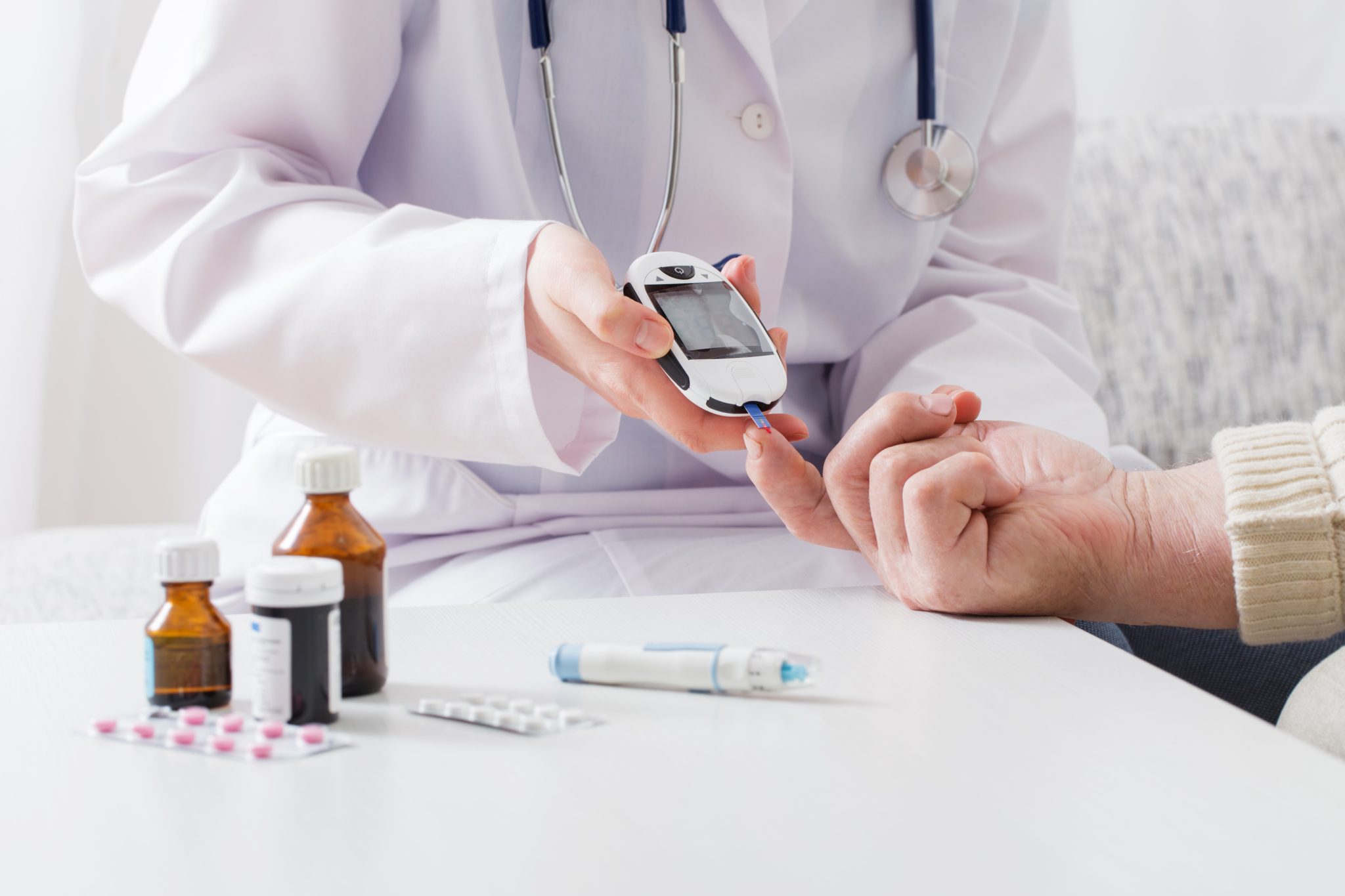
Many people starting tirzepatide worry that it could make their blood sugar drop too low. This concern is understandable because tirzepatide is a strong medicine for lowering blood sugar in people with type 2 diabetes. However, research from large clinical studies shows that tirzepatide by itself rarely causes hypoglycemia, or low blood sugar. To understand why, it helps to look at how the drug works and what the clinical evidence says.
How Tirzepatide Lowers Blood Sugar
Tirzepatide is a new type of injectable medicine that acts on two natural hormones in the body: GLP-1 (glucagon-like peptide-1) and GIP (glucose-dependent insulinotropic polypeptide). These hormones are called incretins. They help the pancreas release insulin when blood sugar levels rise, such as after eating a meal. Insulin is the hormone that moves glucose from the blood into the body’s cells for energy.
What makes tirzepatide special is that it increases insulin only when blood sugar levels are high. This feature is called glucose-dependent insulin release. When blood sugar is normal or low, tirzepatide does not push the pancreas to make more insulin. This built-in control helps prevent dangerously low blood sugar levels.
In addition, tirzepatide lowers blood sugar in several other ways. It slows down how quickly food leaves the stomach, so glucose enters the bloodstream more slowly after meals. It also decreases the amount of glucagon, another hormone that raises blood sugar. Together, these effects help create steady blood glucose control instead of sharp drops or spikes.
Clinical Studies and Real-World Evidence
Large clinical trials have carefully tested tirzepatide in people with type 2 diabetes. These trials are known as the SURPASS studies (SURPASS-1 through SURPASS-5). In these studies, thousands of participants received tirzepatide at different doses—usually 5 mg, 10 mg, or 15 mg once per week—and were compared with people taking either a placebo or other diabetes drugs such as insulin or semaglutide.
Across all these trials, episodes of hypoglycemia were very rare in participants taking tirzepatide alone.
- In the SURPASS-1 trial, which tested tirzepatide without any background insulin or sulfonylurea (a class of drugs known to cause low blood sugar), fewer than 1% of participants experienced mild hypoglycemia.
- In SURPASS-2, which compared tirzepatide with semaglutide, the rate of low blood sugar was similarly very low and nearly the same for both drugs.
- In trials that included people who were also using insulin, such as SURPASS-5, the risk of hypoglycemia was slightly higher—but this was due to the insulin, not the tirzepatide itself.
Researchers found that when tirzepatide was used alone, the body’s natural safety mechanisms protected against very low glucose levels. The insulin secretion stopped once blood sugar approached normal or low ranges. This is very different from older drugs like sulfonylureas or insulin injections, which can keep lowering blood sugar even when it is already low.
Why Tirzepatide Rarely Causes Hypoglycemia Alone
The key reason tirzepatide is unlikely to cause hypoglycemia is its glucose-dependent action. In simple terms, tirzepatide “listens” to the body’s current sugar level. When sugar is high, it acts strongly to lower it. When sugar is normal or low, it steps back and lets the body maintain balance.
In addition to this mechanism, tirzepatide improves how sensitive the body is to insulin, so glucose moves more efficiently into cells. It also reduces glucagon release, but only when glucose levels are high. These balanced effects make extreme drops in blood sugar very uncommon.
Another reason the risk is low is that tirzepatide works mainly on the post-meal (after eating) rise in blood glucose. By slowing gastric emptying, it prevents sharp spikes but does not drive levels below normal.
Mild Symptoms and Individual Variation
Although true hypoglycemia is rare, some people may experience mild sensations that feel similar to low blood sugar—such as fatigue, dizziness, or lightheadedness—especially early in treatment. These symptoms are often due to reduced calorie intake, dehydration, or the body adjusting to lower average glucose levels, not actual hypoglycemia. Checking blood sugar during these times can help confirm whether levels are truly low.
It is also important to remember that individuals vary. People with liver or kidney disease, or those taking other glucose-lowering medications, may have a slightly higher risk. This is why doctors recommend monitoring blood glucose more closely during the first weeks of tirzepatide therapy, particularly if other diabetes medicines are used.
Tirzepatide alone almost never causes hypoglycemia because of the way it works. It lowers blood sugar only when it is too high and eases off when it returns to normal. Clinical trials with thousands of participants confirm that the rate of low blood sugar events is extremely low when tirzepatide is used as monotherapy. The main times when hypoglycemia may happen are when tirzepatide is combined with insulin or sulfonylureas, or when meals are skipped.
For most people, tirzepatide provides steady and predictable blood sugar control without the frequent lows that can occur with other diabetes drugs. This makes it an effective and safe option for improving blood sugar in type 2 diabetes, under medical supervision.
When the Risk of Hypoglycemia Increases
Tirzepatide is generally known for having a low risk of hypoglycemia, or low blood sugar, when used alone. This is because it works in a way that depends on the body’s current glucose level. It helps the pancreas release insulin only when blood sugar is high and reduces the amount of glucagon, a hormone that raises blood sugar, only when levels are elevated. These built-in “safety switches” make tirzepatide different from older diabetes drugs.
However, there are certain situations and conditions where the chance of hypoglycemia can increase. Understanding these helps people use tirzepatide safely and recognize when extra care is needed.
Using Tirzepatide with Other Diabetes Medications
The most common reason for low blood sugar while taking tirzepatide is combining it with other glucose-lowering drugs, especially those that work independently of the body’s sugar level. The main examples are insulin and sulfonylureas (such as glipizide or glimepiride).
- Insulin:
Insulin directly lowers blood sugar by moving glucose from the bloodstream into cells. When tirzepatide is added to insulin therapy, both medications lower glucose levels. While tirzepatide alone rarely causes hypoglycemia, its combination with insulin can lead to blood sugar dropping too far, especially if the insulin dose is not adjusted. Clinical studies have shown that patients using tirzepatide with basal insulin need close monitoring and often require a reduction in insulin dosage. - Sulfonylureas:
These drugs stimulate the pancreas to release insulin regardless of current glucose levels. When a person takes tirzepatide and a sulfonylurea together, the effects can overlap, producing more insulin than needed after meals or during fasting. This can trigger mild to moderate hypoglycemia. Doctors often lower the sulfonylurea dose when tirzepatide is started to reduce this risk. - Other combinations:
When used with metformin, SGLT-2 inhibitors, or DPP-4 inhibitors, tirzepatide does not usually increase the risk of hypoglycemia. These medications have complementary mechanisms and maintain glucose-dependent control.
Skipping Meals or Eating Too Little
Food provides the body’s main source of glucose. Skipping meals, eating smaller portions than usual, or consuming very few carbohydrates can reduce available energy. If a person takes tirzepatide and another glucose-lowering medicine, this mismatch between medication and food intake may lead to low blood sugar episodes.
This risk can also occur during calorie-restricted diets or rapid weight loss. Tirzepatide suppresses appetite and slows stomach emptying, helping people eat less. While this is beneficial for weight management, it can sometimes lead to long gaps between meals or insufficient carbohydrate intake. If blood sugar falls too low, symptoms such as dizziness, sweating, or shakiness may appear. To prevent this, patients are advised to maintain regular meal times and include small carbohydrate portions even when appetite is reduced.
Increased Physical Activity or Strenuous Exercise
Exercise helps muscles use glucose for energy, which naturally lowers blood sugar. For people using tirzepatide, this is usually a healthy effect. But when exercise is intense or prolonged, especially without a pre-exercise snack, glucose levels may drop too much. The body may not replace sugar stores quickly enough, resulting in post-exercise hypoglycemia.
For this reason, people taking tirzepatide—particularly those also on insulin or sulfonylureas—should monitor blood sugar before and after exercise. Having a small carbohydrate snack before long workouts can help keep levels stable. It is also helpful to discuss any major changes in exercise routine with a healthcare provider, as medication doses may need to be adjusted.
Illness, Liver Disease, or Kidney Disease
The liver and kidneys play important roles in maintaining blood sugar. The liver releases glucose when levels drop, and the kidneys help clear medications from the body. If these organs are not working well, the balance can shift.
- In liver disease, glucose production may be impaired, reducing the body’s ability to recover from a drop in sugar.
- In kidney disease, medications can build up in the body and act longer than intended, potentially lowering blood sugar too far.
While tirzepatide is generally safe in people with mild to moderate kidney or liver problems, these individuals may need closer monitoring. Blood tests and regular glucose checks help ensure stability.
Alcohol and Dehydration
Drinking alcohol can also lower blood sugar, particularly if consumed on an empty stomach. Alcohol interferes with the liver’s ability to release stored glucose. When tirzepatide is added to this situation, the risk of hypoglycemia increases further. People using tirzepatide are advised to limit alcohol intake and always eat when drinking.
Dehydration, which can occur during illness or hot weather, may also affect how medications are processed, further altering glucose levels.
Other Factors That Raise Risk
- Rapid weight loss: Tirzepatide often leads to weight reduction. While beneficial, losing weight changes how the body uses insulin and glucose. As sensitivity improves, the same medication dose may become too strong, increasing the risk of hypoglycemia if not adjusted.
- Older age: Older adults may be more sensitive to medication effects and may not feel early warning signs of low blood sugar. They should monitor more frequently and report any changes in symptoms or appetite.
Managing and Preventing Increased Risk
To lower the risk of hypoglycemia:
- Follow consistent meal and snack times.
- Monitor blood glucose more often when changing diet, exercise, or other medications.
- Inform healthcare providers about all medications being taken.
- Report recurring low readings or symptoms promptly.
- Avoid skipping doses or meals intentionally to speed up weight loss.
Tirzepatide alone rarely causes hypoglycemia because of its glucose-dependent action. Yet, certain conditions—such as combining it with insulin or sulfonylureas, skipping meals, heavy exercise, or having organ disease—can make low blood sugar more likely. Understanding these risks allows patients and clinicians to adjust doses, plan meals, and prevent complications. With careful monitoring and proper education, tirzepatide can safely support stable blood sugar control while minimizing hypoglycemia episodes.
Comparing Tirzepatide’s Hypoglycemia Risk to Other Diabetes Medications
Tirzepatide is part of a newer group of medicines that help people manage blood sugar in type 2 diabetes. Many patients want to know if tirzepatide is safer than older diabetes drugs when it comes to low blood sugar, or hypoglycemia. To understand this, it helps to compare how tirzepatide works with how other common diabetes medicines affect blood sugar.
Tirzepatide vs. Insulin
Insulin is one of the oldest and most effective drugs for lowering blood sugar, but it can easily cause hypoglycemia if the dose is too high or if meals are skipped. Insulin lowers blood sugar directly by allowing glucose to enter cells. It keeps working even when the body’s blood sugar is already normal or low. This means that people who use insulin must balance their doses carefully with food and exercise.
Tirzepatide, on the other hand, acts differently. It helps the body release insulin only when blood sugar levels are high. This effect is called glucose-dependent insulin secretion. When the blood sugar level returns to normal, tirzepatide’s stimulation of insulin release slows down. This built-in safety feature helps prevent blood sugar from dropping too far.
In large clinical studies such as the SURPASS-2 and SURPASS-3 trials, patients taking tirzepatide had far fewer episodes of hypoglycemia compared with those taking basal insulin. For example, in SURPASS-3, clinically significant low blood sugar (below 54 mg/dL) occurred in less than 2 percent of patients on tirzepatide, while it occurred in more than 15 percent of those on insulin degludec. These findings show that tirzepatide has a much lower risk of hypoglycemia than insulin.
Tirzepatide vs. Sulfonylureas
Sulfonylureas, such as glipizide and glyburide, are another common class of oral diabetes medicines. They work by stimulating the pancreas to release more insulin. Unlike tirzepatide, this insulin release is not dependent on blood sugar levels. As a result, sulfonylureas can keep pushing insulin out even when blood sugar is already low. This constant stimulation is why sulfonylureas are well known for causing hypoglycemia, especially in older adults or people who skip meals.
Tirzepatide avoids this problem because it activates insulin release only when glucose levels are above normal. In head-to-head studies, the frequency of hypoglycemia with tirzepatide was less than 2 percent, compared to rates of 15–20 percent reported with sulfonylureas. These differences are one reason many doctors prefer incretin-based therapies like tirzepatide over sulfonylureas for long-term diabetes management.
Tirzepatide vs. Metformin
Metformin is considered a first-line treatment for type 2 diabetes. It works mainly by reducing the amount of glucose made by the liver and improving how the body uses insulin. Because metformin does not increase insulin levels directly, it rarely causes low blood sugar on its own.
Tirzepatide shares this advantage. Both medicines carry a low risk of hypoglycemia when used alone. When tirzepatide is added to metformin therapy, studies show the risk of hypoglycemia remains very low. Most reported episodes are mild and often related to missed meals or increased physical activity rather than the drug combination itself.
Tirzepatide vs. GLP-1 Receptor Agonists
Tirzepatide is unique because it acts on two receptors: GIP (glucose-dependent insulinotropic polypeptide) and GLP-1 (glucagon-like peptide-1). GLP-1 receptor agonists such as liraglutide or semaglutide also lower blood sugar by enhancing insulin release and slowing gastric emptying. These medications have a very low risk of hypoglycemia because their insulin effect depends on glucose levels—just like tirzepatide.
In the SURPASS-2 trial, which directly compared tirzepatide to semaglutide, both treatments had very low rates of hypoglycemia. However, tirzepatide led to slightly greater reductions in average blood sugar (A1C) and body weight. Importantly, the increase in glucose control did not come with more episodes of low blood sugar. This shows that tirzepatide can provide stronger blood sugar improvement without increasing hypoglycemia risk.
Why Incretin-Based Therapies Are Safer
Both GLP-1 agonists and tirzepatide belong to a group called incretin-based therapies. The term “incretin” refers to gut hormones that tell the pancreas to release insulin only when food is eaten. Because their activity depends on glucose levels, these drugs naturally reduce the chance of blood sugar dropping too low. This is very different from insulin or sulfonylureas, which act regardless of glucose level.
Tirzepatide goes a step further by also acting on the GIP receptor, which may help balance insulin and glucagon release even more effectively. Studies suggest that the dual action might improve overall glucose control and minimize fluctuations that could lead to hypoglycemia.
Tirzepatide stands out for its low risk of causing hypoglycemia. Unlike older drugs such as insulin or sulfonylureas, it helps the body release insulin only when needed and slows that release when blood sugar normalizes. Its safety record is similar to metformin and other GLP-1 drugs, but with stronger overall blood sugar improvement. For most people with type 2 diabetes, tirzepatide offers effective glucose control while minimizing the fear of dangerous low blood sugar episodes.
How to Monitor Blood Sugar While on Tirzepatide
Monitoring blood sugar is an important part of staying safe and healthy while using tirzepatide. Even though tirzepatide itself rarely causes low blood sugar, regular monitoring helps you understand how your body responds to treatment. It also allows you and your healthcare provider to make the best decisions about your medication dose, meals, and physical activity.
Why Monitoring Matters
Tirzepatide works by improving how your body releases insulin when your blood sugar rises. Because of this, most people taking tirzepatide do not experience severe lows. However, blood sugar can still vary due to diet, exercise, stress, illness, or other medications. Regular monitoring helps you:
- Detect early changes in blood sugar levels.
- Prevent both high and low readings.
- Understand how meals, exercise, or other medications affect your glucose control.
- Share accurate data with your healthcare provider during check-ups.
Keeping track of your blood sugar is especially important if you are also taking insulin or a sulfonylurea, since these medicines can increase the risk of hypoglycemia.
When to Check Blood Sugar
The frequency of blood sugar testing depends on your treatment plan. Your doctor may recommend checking at specific times of day, or more often when your medication changes.
Common times to check include:
- Before meals (fasting or pre-meal): This helps you understand your baseline glucose level before eating.
- Two hours after meals (post-meal): Shows how well your body handles carbohydrates and how effectively tirzepatide is working.
- Before bedtime: Important if you take other glucose-lowering medications, to make sure your blood sugar is not too low overnight.
- Before and after exercise: Physical activity lowers blood sugar. Monitoring helps you prevent hypoglycemia after workouts.
- Whenever you feel symptoms of low blood sugar: Such as sweating, shaking, dizziness, or hunger.
If you use tirzepatide without other diabetes medications, you might only need to check a few times per week. If you combine it with insulin or sulfonylureas, daily testing is often recommended.
How to Measure Blood Sugar
There are two main ways to monitor your glucose levels:
Self-Monitoring of Blood Glucose (SMBG)
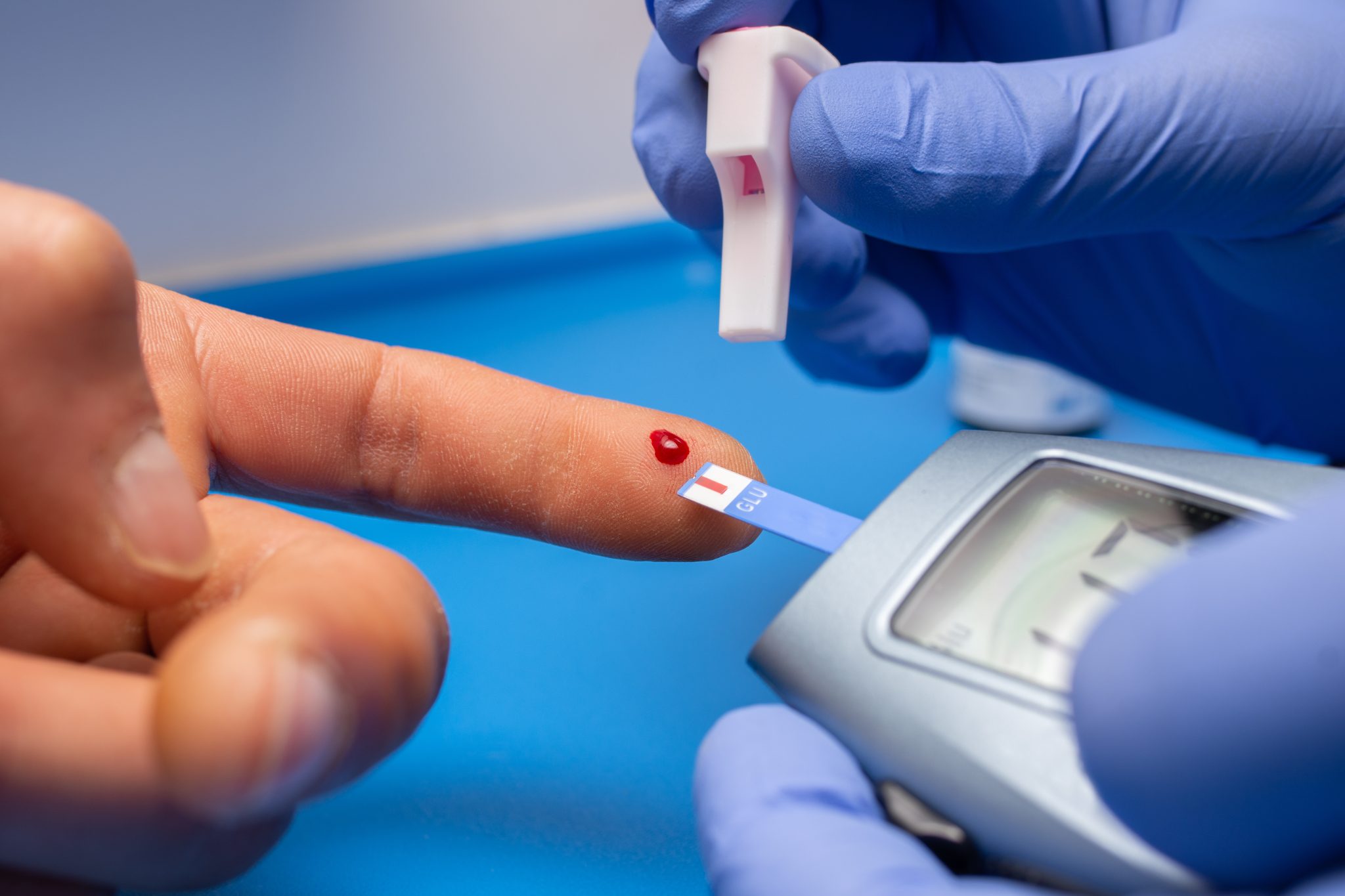
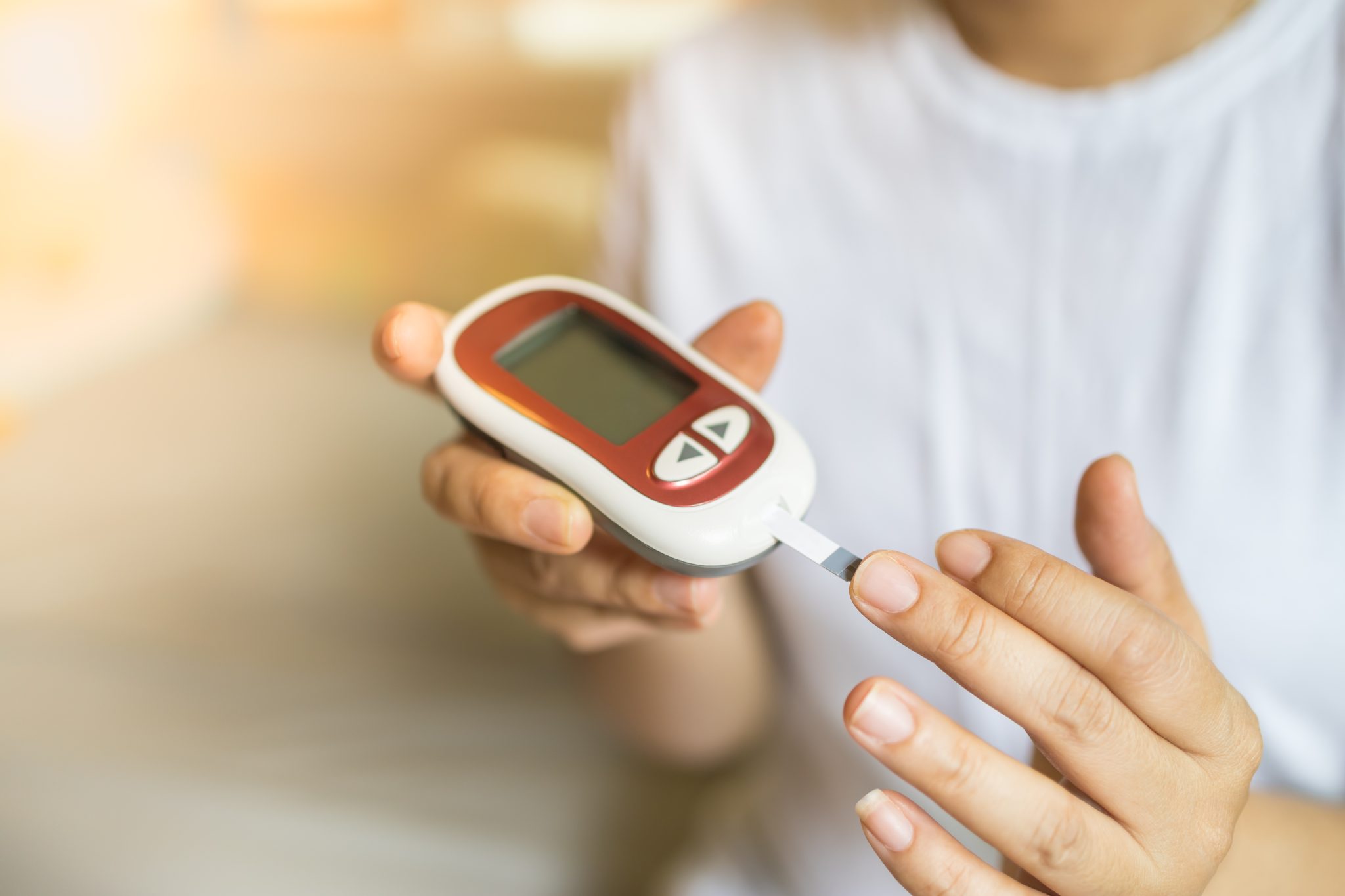
This is the traditional finger-prick method using a glucose meter.
- You prick your finger, place a small drop of blood on a test strip, and get a reading within seconds.
- Keep a logbook or use an app to record your readings with notes about meals, exercise, and medication doses.
- Over time, patterns emerge that show when your blood sugar tends to rise or fall.
This method is inexpensive, accurate, and easy to use. However, it only gives you a snapshot at one moment in time.
Continuous Glucose Monitoring (CGM)
A CGM device measures your blood sugar automatically throughout the day and night using a small sensor placed under the skin.
- The sensor transmits readings to a receiver or smartphone app every few minutes.
- You can view your glucose trends, see how your blood sugar reacts to meals or activity, and receive alerts if levels drop too low.
- CGMs are very helpful for people who want more detailed information or who are at higher risk for hypoglycemia.
Your healthcare provider can help you decide which method suits your needs best.
Understanding Blood Sugar Targets
For most adults with type 2 diabetes, general targets are:
- Before meals: 80–130 mg/dL (4.4–7.2 mmol/L)
- Two hours after meals: Less than 180 mg/dL (10 mmol/L)
Your personal goals may differ depending on your age, medical history, and other factors. Some people, especially older adults or those with other health issues, may have slightly higher targets to reduce the risk of hypoglycemia.
What to Do with Your Results
Checking your blood sugar is only helpful if you use the information.
- Track patterns: Write down or review trends over several days. Are your readings often low in the morning? High after dinner?
- Adjust lifestyle choices: If you see consistent patterns, talk to your healthcare provider about adjusting meal portions, timing, or exercise habits.
- Share data: Bring your glucose records to appointments. This helps your doctor fine-tune your tirzepatide dose or other medications safely.
- Watch for warning signs: If you notice frequent readings below 70 mg/dL, contact your doctor. Your medication plan may need adjustment.
Tips for Successful Monitoring
- Test your blood sugar at consistent times each day.
- Make sure your meter or CGM device is calibrated and your strips are not expired.
- Wash your hands before checking to avoid false readings.
- Do not skip checks just because you “feel fine.” Blood sugar can fluctuate silently.
- Review your readings weekly to notice trends early.
Monitoring blood sugar while using tirzepatide helps ensure safe and effective treatment. Although tirzepatide rarely causes hypoglycemia by itself, keeping an eye on your levels allows you to respond quickly to any changes. Whether you use a glucose meter or continuous monitor, consistent tracking, open communication with your healthcare team, and awareness of your body’s patterns are key to maintaining stable, healthy blood sugar control.
Managing and Preventing Hypoglycemia on Tirzepatide
Even though tirzepatide rarely causes low blood sugar by itself, there are still times when hypoglycemia can happen. This usually occurs when tirzepatide is combined with other diabetes medicines, when a person eats less than usual, or after intense exercise. Knowing how to recognize, treat, and prevent hypoglycemia is an important part of safe diabetes care.
Recognizing the Signs of Hypoglycemia
Low blood sugar can develop slowly or come on suddenly. Early symptoms often include:
- Shakiness or trembling
- Sweating or feeling clammy
- Hunger or nausea
- Dizziness or lightheadedness
- Fast heartbeat or palpitations
- Feeling anxious or irritable
If blood sugar drops further, symptoms may progress to:
- Blurred vision
- Confusion or trouble concentrating
- Weakness or fatigue
- Headache
- Slurred speech or poor coordination
In very low blood sugar (below 54 mg/dL), a person may faint, have a seizure, or lose consciousness. This is considered a medical emergency. Family members and caregivers should be aware of these warning signs and know how to respond.
What To Do If Hypoglycemia Happens
If you suspect your blood sugar is low, check your glucose level right away if possible. If you cannot test, it is safer to assume it is low and treat it.
The “15–15 rule” is a simple and effective way to correct mild to moderate hypoglycemia:
- Eat or drink 15 grams of fast-acting carbohydrate—for example:
- 4 ounces (about half a cup) of fruit juice or regular soda
- 1 tablespoon of sugar or honey
- 3–4 glucose tablets (check the label for exact amount)
- 4 ounces (about half a cup) of fruit juice or regular soda
- Wait 15 minutes, then recheck your blood sugar.
- If your level is still below 70 mg/dL, repeat the same steps.
Once your blood sugar has returned to normal, eat a small snack that contains both carbohydrate and protein (like peanut butter crackers or half a sandwich) to prevent another drop.
If you lose consciousness or cannot swallow, another person should give an emergency glucagon injection if available and call emergency medical services (911 in the U.S.). Glucagon helps the liver release stored glucose and quickly raises blood sugar.
Preventing Hypoglycemia While Using Tirzepatide
Although tirzepatide lowers blood sugar, it does so in a glucose-dependent way. That means it stimulates insulin only when blood sugar is high, which protects against very low levels. Still, prevention strategies are essential—especially for people combining tirzepatide with insulin or sulfonylureas.
Maintain Regular Meals and Snacks
Avoid skipping meals. Eat consistent portions of carbohydrates at similar times each day. If you plan to eat later than usual, have a small carbohydrate snack. Consistency helps balance your medication’s effect and your body’s glucose needs.
Match Physical Activity with Nutrition
Exercise increases insulin sensitivity and can lower blood sugar for several hours afterward. If you plan long or intense activity:
- Check your blood sugar before, during, and after exercise.
- Carry quick sources of sugar, such as glucose tablets or juice.
- Have a balanced snack before exercise if levels are near the lower end of your target range.
Monitor Blood Sugar Regularly
Self-monitoring of blood glucose (SMBG) or continuous glucose monitoring (CGM) helps detect patterns and early warning signs of lows. Track your readings and share them with your healthcare provider. Frequent checks are especially useful during:
- The first weeks of tirzepatide treatment
- Dose changes
- Periods of illness, fasting, or major dietary changes
Adjust Other Diabetes Medications if Needed
When tirzepatide is used along with insulin or a sulfonylurea (like glimepiride or glyburide), your healthcare provider may lower the dose of those medicines. This adjustment helps reduce the chance of low blood sugar. Never change your dose on your own—always follow professional medical advice.
Plan for Illness or Appetite Changes
During illness, loss of appetite, or gastrointestinal upset, your food intake may drop. Continue to monitor blood sugar closely and adjust carbohydrate intake as needed. Stay hydrated and contact your healthcare provider if you have frequent readings below 70 mg/dL.
Keep Emergency Supplies Handy
Always have a quick source of glucose within reach—especially when traveling, driving, or exercising. Keep glucose tablets, a small bottle of juice, or candy in your bag. If you use tirzepatide with insulin or have a history of severe lows, make sure someone close to you knows how to use glucagon.
When to Call a Healthcare Provider
You should contact your doctor or diabetes educator if:
- You experience repeated low readings below 70 mg/dL.
- You have a severe episode requiring help from another person.
- You feel symptoms of low blood sugar without actual low readings (this may indicate “hypoglycemia unawareness”).
- You need help adjusting doses of tirzepatide or other diabetes medications.
Your provider can review your glucose logs and may adjust your medication plan, meal timing, or exercise routine to prevent future lows.
Tirzepatide is designed to lower blood sugar safely and has a very low risk of hypoglycemia when used correctly. However, combining it with other glucose-lowering medicines or skipping meals can increase that risk. Knowing how to recognize the symptoms, treat them quickly, and prevent future episodes is essential. With good monitoring, regular meals, and communication with your healthcare team, you can manage tirzepatide therapy safely and confidently.
Clinical Evidence Summary
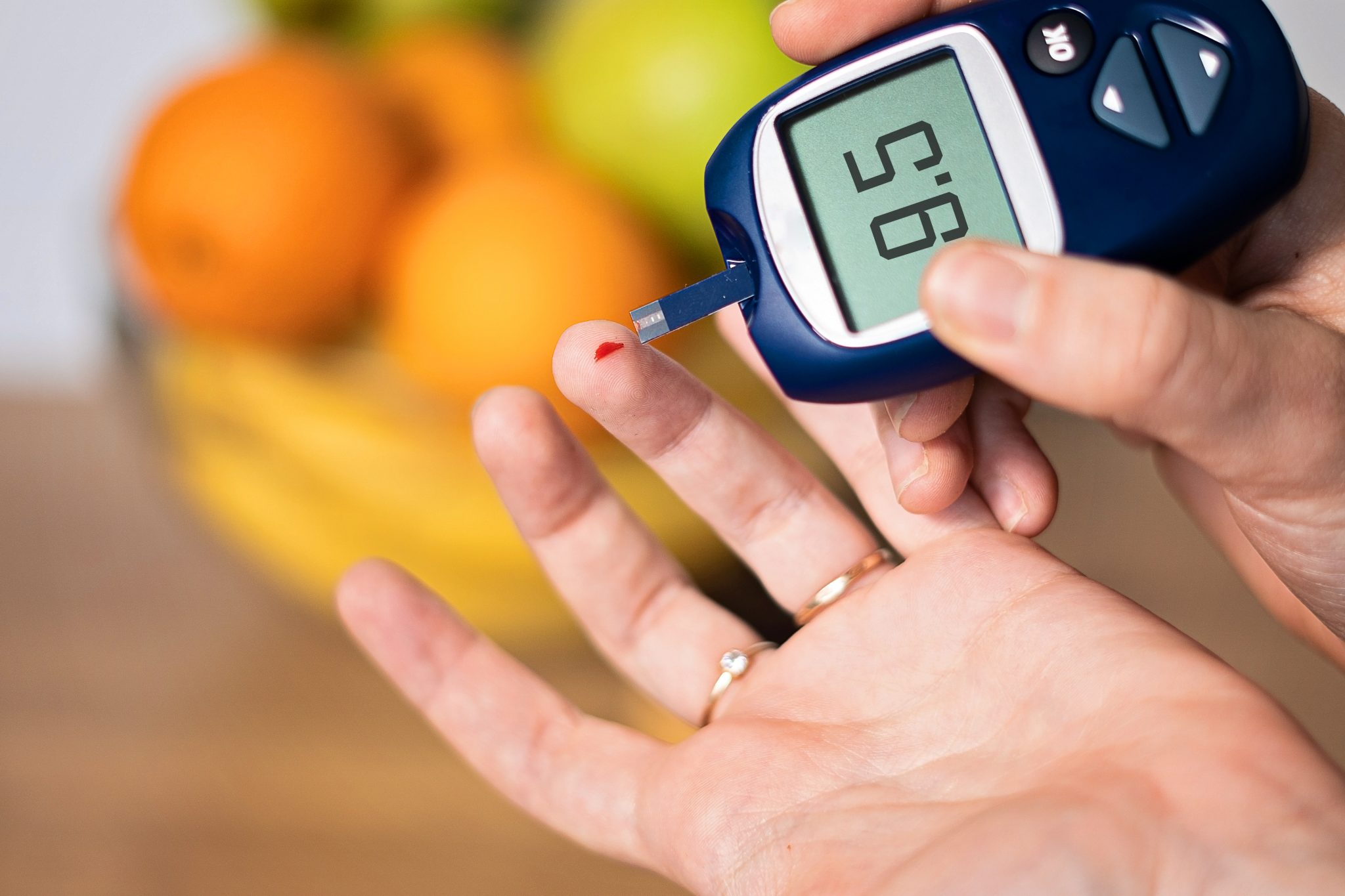
Tirzepatide has been carefully studied in large, well-designed clinical trials to understand how it affects blood sugar and whether it causes hypoglycemia. Most of what is known about its safety and effectiveness comes from a group of studies called the SURPASS clinical trial program. These studies tested tirzepatide in people with type 2 diabetes across different backgrounds, doses, and combinations with other medicines.
Together, the SURPASS trials show that tirzepatide lowers blood sugar and body weight very effectively. They also show that the risk of hypoglycemia is very low when tirzepatide is used by itself, and that the risk becomes higher only when it is used along with certain other diabetes medicines such as insulin or sulfonylureas.
Evidence from the SURPASS Clinical Trials
There were several major SURPASS trials (SURPASS-1 through SURPASS-5), each designed to answer different questions about how tirzepatide works:
- SURPASS-1 – This study tested tirzepatide alone (monotherapy) in people with type 2 diabetes who were not taking any other diabetes medication. Researchers compared tirzepatide to a placebo (an inactive injection). The results showed that tirzepatide greatly lowered average blood sugar (measured as HbA1c) and body weight. Importantly, episodes of hypoglycemia were extremely rare—occurring in less than 1% of participants. Most people did not experience any low blood sugar at all.
- SURPASS-2 – This study compared tirzepatide with semaglutide, another incretin-based therapy. Both medicines lowered blood sugar and helped with weight loss, but tirzepatide produced slightly larger reductions. Once again, clinically significant hypoglycemia was uncommon, occurring at similar low rates in both groups.
- SURPASS-3 – This trial tested tirzepatide against insulin degludec, a long-acting insulin. Here, the difference was clear. The group using tirzepatide had a much lower risk of hypoglycemia than those using insulin. This result supports the idea that tirzepatide is safer for blood sugar stability because it helps the body release insulin only when glucose levels are high.
- SURPASS-4 – This study looked at tirzepatide in people who were at higher risk of heart and blood vessel disease, and it compared tirzepatide to insulin glargine. Again, tirzepatide controlled blood sugar better and caused fewer hypoglycemia episodes than insulin did.
- SURPASS-5 – This trial studied tirzepatide added to existing insulin therapy. In this case, since participants were already using insulin, there was a slightly higher risk of hypoglycemia. However, even in this study, most episodes were mild and manageable. The findings suggest that when tirzepatide is combined with insulin, doctors may need to lower the insulin dose to reduce the risk of low blood sugar.
What the Numbers Show
Across these studies, the data are consistent:
- When tirzepatide is used alone, confirmed hypoglycemia (blood sugar <54 mg/dL) occurred in less than 1% of participants.
- When tirzepatide is used with sulfonylureas or insulin, the rate of hypoglycemia increases, but it remains lower than with insulin-only treatment.
- Most episodes were mild, meaning people were able to recognize the symptoms and correct them by eating or drinking carbohydrates.
- Severe hypoglycemia, which requires help from another person, was very rare—typically affecting fewer than 0.5% of participants.
This pattern shows that tirzepatide helps keep blood sugar within a safe range most of the time. The medicine’s mechanism—releasing insulin only when glucose is elevated—acts as a built-in safety feature that protects against excessive drops in blood sugar.
Other Clinical Observations
Researchers also observed that tirzepatide improves several key health measures:
- It significantly lowers HbA1c levels (by 1.5% to 2.5% on average).
- It reduces fasting glucose levels and post-meal glucose spikes.
- It leads to weight loss, which can further improve insulin sensitivity.
Despite these strong glucose-lowering effects, the low hypoglycemia rates confirm that tirzepatide’s glucose-dependent mechanism remains active and protective.
Real-World Use and Post-Marketing Data
After tirzepatide was approved, doctors and researchers continued to track its performance in real-world patients. These ongoing studies support the trial results:
- Most users maintain stable blood sugar control without frequent hypoglycemia.
- The few low blood sugar episodes that do occur often involve other factors—like skipped meals, heavy exercise, or interactions with other diabetes drugs.
- Clinicians are encouraged to adjust insulin or sulfonylurea doses when starting tirzepatide to reduce these risks.
Clinical evidence clearly shows that tirzepatide has a very low risk of causing hypoglycemia on its own. The chance of low blood sugar rises mainly when tirzepatide is combined with insulin or sulfonylureas, or when eating patterns are inconsistent. Most hypoglycemia cases reported in trials were mild and easily treated. Overall, tirzepatide provides strong blood sugar control with a favorable safety profile, making it a reliable treatment for people with type 2 diabetes when used under proper medical supervision.
Safety Considerations for Special Populations
Tirzepatide is generally considered a safe and effective treatment for managing blood sugar in adults with type 2 diabetes. However, not everyone responds to medications in the same way. Certain groups of people—such as older adults, those with kidney or liver disease, and people using tirzepatide for obesity rather than diabetes—may have different safety needs. This section explains what these groups should know, how tirzepatide may affect them, and what precautions help reduce risk.
Older Adults and People with Frailty
As people age, their bodies change in ways that affect how medicines work. Kidney and liver function may slow down, and muscle mass may decrease. These changes can influence how long a medication stays in the system. Older adults also tend to take multiple medicines, which increases the chance of interactions.
For older adults using tirzepatide:
- Start low and go slow: Doctors often begin at the lowest dose and increase slowly to see how the patient tolerates it. This approach helps reduce nausea and other digestive side effects.
- Monitor blood sugar closely: Older adults have a higher risk of low blood sugar, especially if they also take insulin or sulfonylureas. Even mild hypoglycemia can cause dizziness, confusion, or falls, which may lead to serious injury.
- Watch for dehydration: Tirzepatide can cause nausea, vomiting, or diarrhea in some patients. These effects can lead to dehydration, which is more dangerous in older individuals. Staying hydrated and reporting persistent symptoms to a healthcare provider is essential.
- Cognitive awareness: For older adults with mild memory problems, family members or caregivers should help track medication schedules and blood sugar readings.
Overall, tirzepatide can be used safely in older adults when monitored carefully. Clinical trials have included patients over 65, and results show that its benefits in improving blood sugar and promoting weight loss are consistent across age groups.
Patients with Kidney Disease
The kidneys help remove medications from the body, and when they do not work well, drug levels can build up. In type 2 diabetes, kidney problems are common, so it is important to understand how tirzepatide behaves in this situation.
Studies show that tirzepatide is not significantly affected by kidney function. This means people with mild to moderate kidney disease can usually take it without dose adjustment. However:
- Monitor kidney function regularly: Blood tests such as eGFR and creatinine help assess kidney health.
- Prevent dehydration: Vomiting or reduced food intake can worsen kidney function, so hydration is key.
- Be cautious with combination therapy: If a patient is also on insulin or other glucose-lowering drugs, the risk of hypoglycemia increases when kidney function is reduced.
In cases of severe kidney disease or dialysis, more research is still needed. Doctors may proceed cautiously or choose alternative treatments depending on the individual’s condition.
Patients with Liver Disease
The liver plays a major role in metabolism and glucose regulation. Liver problems, such as fatty liver or cirrhosis, can alter how the body handles medications.
For tirzepatide:
- No dose adjustment is typically required for mild or moderate liver disease.
- Clinical data suggest that tirzepatide does not place significant stress on the liver.
- However, for patients with advanced liver disease, appetite loss and delayed gastric emptying caused by tirzepatide may require careful monitoring.
- Regular liver function tests can help detect any early issues.
Since many people with type 2 diabetes also have non-alcoholic fatty liver disease, the dual benefit of tirzepatide—improving glucose control and promoting weight loss—may help overall liver health.
Individuals Using Tirzepatide for Obesity Without Diabetes
Tirzepatide is also used under medical supervision for weight management in people who do not have diabetes. In this group, the main concern is whether lowering blood sugar too much could cause hypoglycemia.
Research shows that tirzepatide rarely causes low blood sugar in people without diabetes, because it only stimulates insulin when glucose levels are elevated. However:
- People with very low-calorie diets or those who skip meals may still experience mild drops in blood sugar.
- Symptoms like dizziness, fatigue, or shakiness should not be ignored. Eating small, balanced meals helps maintain stable glucose levels.
- Healthcare providers typically advise regular follow-ups during the first few months of therapy to monitor tolerance and metabolic effects.
For people using tirzepatide primarily for weight loss, maintaining a nutrient-rich diet and consistent eating schedule supports safety and effectiveness.
Other Considerations
Certain other factors can affect safety in special populations:
- Pregnancy and breastfeeding: Tirzepatide has not been studied enough in pregnant or breastfeeding women. It should only be used if the potential benefit outweighs the potential risk.
- Gastrointestinal conditions: People with severe digestive problems or a history of gastroparesis should use tirzepatide carefully, as it slows stomach emptying.
- Medication interactions: While tirzepatide has few drug interactions, slower digestion can affect how quickly other oral medicines are absorbed.
Tirzepatide can be used safely by many people with type 2 diabetes or obesity when prescribed and monitored properly. Special attention is needed for older adults, those with kidney or liver problems, and individuals with complex health conditions. The key principles are:
- Start at a low dose and increase gradually.
- Stay hydrated and monitor blood sugar levels regularly.
- Maintain open communication with healthcare providers about side effects or unusual symptoms.
With these precautions, tirzepatide remains a valuable and generally well-tolerated medication for improving blood sugar and metabolic health while minimizing the risk of hypoglycemia or other complications.
Conclusion: Tirzepatide’s Role in Blood Sugar Control and Hypoglycemia Risk
Tirzepatide represents an important step forward in the treatment of type 2 diabetes and obesity. It helps people manage blood sugar levels in a way that closely mimics how the body naturally regulates glucose. Unlike older diabetes drugs that can lower blood sugar even when it is already in a safe range, tirzepatide works with the body’s own system to respond to changes in glucose levels. This means it helps lower blood sugar when it is high but reduces its effect when glucose levels approach normal or low levels. This unique feature makes it much less likely to cause hypoglycemia, or low blood sugar, when used by itself.
One of the main reasons tirzepatide is considered safer is because it works through two natural hormone pathways: GIP (glucose-dependent insulinotropic polypeptide) and GLP-1 (glucagon-like peptide-1). These hormones are released after eating and help the pancreas release insulin only when blood sugar is high. They also slow down how quickly food leaves the stomach and reduce the release of glucagon, a hormone that raises blood sugar. This coordinated process keeps blood sugar within a healthy range after meals. Because tirzepatide’s actions depend on the presence of glucose, it does not push blood sugar to dangerously low levels the way insulin or sulfonylureas sometimes can.
Clinical studies provide strong evidence for tirzepatide’s safety regarding hypoglycemia. Across major clinical trials, such as the SURPASS series, people who used tirzepatide alone or with metformin experienced very few episodes of low blood sugar. Most reported cases were mild and could be easily managed. When researchers compared tirzepatide to other treatments, such as insulin or sulfonylureas, the rates of hypoglycemia were clearly lower in those using tirzepatide. These results show that, for most people, tirzepatide keeps blood sugar stable without the frequent “highs and lows” that are common with some older medications.
However, it is still possible for hypoglycemia to happen under certain conditions. People who take tirzepatide together with insulin or with a sulfonylurea (a pill that increases insulin release) have a higher chance of low blood sugar. This is because both drugs stimulate insulin production, and when used together, they can sometimes overcorrect blood sugar levels. The risk can also rise if a person skips meals, eats less than usual, or exercises more intensely without adjusting their diet or medication. In these situations, blood sugar can drop faster than expected. For these reasons, healthcare providers often lower the dose of insulin or sulfonylurea when tirzepatide is added to treatment.
Tirzepatide’s design helps maintain a stable blood sugar pattern throughout the day. By slowing how quickly food leaves the stomach and reducing appetite, it prevents sudden spikes in glucose after eating. Over time, it also improves how the body uses insulin and how the liver controls glucose output. This steady control helps prevent large fluctuations that can cause both hyperglycemia (high blood sugar) and hypoglycemia. It also contributes to long-term benefits, such as improved A1C levels and weight reduction, which further support healthy glucose management.
Although the risk of hypoglycemia with tirzepatide is low, it is still important for patients to monitor their blood sugar regularly. Regular testing helps identify any unusual patterns, especially during the first few weeks of treatment or when combining tirzepatide with other diabetes medications. If low blood sugar symptoms occur—such as sweating, trembling, dizziness, or confusion—it is important to act quickly by consuming a fast-acting carbohydrate, like glucose tablets or juice, and to recheck blood sugar within 15 minutes. These simple steps can prevent mild hypoglycemia from becoming severe.
For most people, tirzepatide’s advantages outweigh the risks. It supports better blood sugar control with fewer hypoglycemia episodes compared to many older drugs. It is especially useful for those who struggle with both high blood sugar and excess weight, since it improves insulin sensitivity and reduces appetite. Its once-weekly injection schedule also makes it easier for people to stay consistent with their treatment plan.
However, every person responds to medication differently. Healthcare providers play a key role in adjusting doses, reviewing other medications, and teaching patients how to recognize and manage hypoglycemia if it happens. People with kidney or liver problems, older adults, or those who eat irregularly may need closer monitoring, but they can still safely use tirzepatide with proper supervision.
In summary, tirzepatide is a modern diabetes therapy that offers strong blood sugar control while keeping the risk of hypoglycemia low. Its glucose-dependent mechanism protects against sudden drops in blood sugar, making it a safe and effective choice for many patients. When used as prescribed, with appropriate monitoring and communication between patient and provider, tirzepatide helps create more stable glucose patterns and supports overall health. The evidence shows that tirzepatide not only lowers blood sugar effectively but does so in a way that aligns with the body’s natural rhythms—helping people live healthier lives with fewer blood sugar emergencies.
Research Citations
Frías, J. P., Davies, M. J., Rosenstock, J., Pérez Manghi, F. C., Fernández Landó, L., Bergman, B. K., Liu, B., Cui, X., & Brown, K. (2021). Tirzepatide versus semaglutide once weekly in patients with type 2 diabetes. The New England Journal of Medicine, 385(6), 503–515.
Rosenstock, J., Wysham, C., Frias, J. P., Kaneko, S., Lee, C. J., Fernández Landó, L., Sattar, N., et al. (2021). Efficacy and safety of a novel dual GIP and GLP-1 receptor agonist tirzepatide monotherapy versus placebo in patients with type 2 diabetes (SURPASS-1): A double-blind, randomised, phase 3 trial. The Lancet, 398(10295), 143–155.
Ludvik, B., Giorgino, F., Jodar, E., Frias, J. P., Fernández Landó, L., Brown, K., & Rosenstock, J. (2021). Once-weekly tirzepatide versus once-daily insulin degludec in type 2 diabetes (SURPASS-3): A randomised, open-label, phase 3 trial. The Lancet, 398(10300), 583–598.
Del Prato, S., Kahn, S. E., Pavo, I., Weerakkody, G. J., Yang, Z., Dykiel, P., & Leiter, L. A. (2021). Tirzepatide versus insulin glargine in type 2 diabetes and increased cardiovascular risk (SURPASS-4): A randomised, open-label, parallel-group trial. The Lancet, 398(10313), 1811–1824.
Dahl, D., Onishi, Y., Norwood, P., Hesse, D., Leiter, L. A., Bain, S. C., & Rosenstock, J. (2022). Tirzepatide once weekly as add-on to titrated insulin glargine for type 2 diabetes (SURPASS-5). The New England Journal of Medicine, 387(2), 151–162.
Rosenstock, J., Giorgino, F., Nicandro, J. P., et al. (2023). Achieving normoglycemia with tirzepatide: Analysis of SURPASS-1–4 without increasing hypoglycemia risk. Diabetes Care, 46(11), 1986–1996.
Giorgino, F., Buse, J. B., Del Prato, S., et al. (2024). Effects of tirzepatide versus basal insulins in people with type 2 diabetes across glycaemic patterns: Post hoc analyses of SURPASS-3 and SURPASS-4. Diabetes Care, 47(6), 1020–1032.
Hankosky, E. R., et al. (2023). A systematic review of the safety of tirzepatide: No increased risk of hypoglycemia versus placebo/GLP-1 receptor agonists. Frontiers in Endocrinology, 14, 1121387.
Rosenstock, J., Kaneko, S., Frias, J. P., et al. (2023). Tirzepatide vs insulin lispro added to insulin glargine in type 2 diabetes (SURPASS-6): A randomized clinical trial. JAMA, 330(21), 2051–2062.
U.S. Food and Drug Administration. (2022). Mounjaro (tirzepatide) injection: Prescribing information. Eli Lilly and Company.
Questions and Answers: Does Tirzepatide Cause Hypoglycemia
No — when used alone without other hypoglycemia-causing drugs, Tirzepatide does not typically cause hypoglycemia.
Hypoglycemia can occur if Tirzepatide is used alongside other medications that lower blood sugar such as insulin or sulfonylureas, or in cases of missed meals, increased exercise, alcohol use, or nausea and vomiting that limit food intake.
Some studies reported that the incidence of mild hypoglycemia with Tirzepatide, especially at higher doses like 10 mg, was up to about 22.6 percent.
No — severe hypoglycemia with Tirzepatide is rare, generally occurring in less than one percent of cases.
Yes — some data suggest a dose-dependent increase in mild hypoglycemia rates at higher doses such as 10 mg compared to 5 mg of Tirzepatide.
Because its mechanism as a dual GIP and GLP-1 receptor agonist stimulates insulin secretion in a glucose-dependent manner and slows glucose absorption, reducing the chance of low blood sugar when glucose levels are already low.
Risk factors include concurrent use of insulin or sulfonylureas, missing or delaying meals, increased physical activity without diet adjustment, alcohol ingestion, and very high insulin sensitivity.
Management includes monitoring blood glucose regularly, being cautious when combining or adjusting other glucose-lowering drugs, maintaining consistent meal timing, adjusting for exercise or alcohol intake, and knowing the symptoms of hypoglycemia.
In people without diabetes who are not taking other drugs that cause hypoglycemia, low blood sugar is very uncommon when using Tirzepatide alone.
Yes — even though the overall risk is low, vigilance is important because of possible drug interactions, dose changes, irregular meals, or exercise, and because mild hypoglycemia has been reported and can worsen if unmanaged.

Dr. Kevin Kargman
Dr. Kevin J. Kargman is a pediatrician in Sewell, New Jersey and is affiliated with multiple hospitals in the area, including Cooper University Health Care-Camden and Jefferson Health-Stratford, Cherry Hill and Washington Township. (Learn More)