Table of Contents
Introduction
In recent years, medicines that target hormones involved in appetite and metabolism have changed the way doctors treat obesity and related health conditions. These medicines were first designed for type 2 diabetes, but researchers quickly discovered that they also led to significant weight loss. As a result, they gained wide attention from both medical professionals and the public. Among these medications, tirzepatide and Wegovy are two of the most discussed options. Many people search online to understand how these drugs work, how they compare, and whether they are the same thing. Because they are often mentioned together, it is easy to see why there is confusion.
Tirzepatide and Wegovy both belong to a group of injectable medicines that help regulate appetite, blood sugar, and body weight. They are usually taken once a week, and both have been shown to help people lose a large amount of weight when used along with a healthy lifestyle plan. These shared features lead many people to believe they are almost identical. However, the truth is that while they serve similar goals, they are different drugs with different ingredients, different mechanisms inside the body, and different approved uses. Understanding these distinctions is important for anyone considering one of these medications, whether for weight loss, diabetes control, or general metabolic health.
Interest in these medications has grown rapidly as obesity rates continue to climb worldwide. Obesity is not only about body weight; it is linked to a long list of health problems, such as heart disease, high blood pressure, sleep apnea, joint pain, and type 2 diabetes. Because of this, medicines that help with meaningful and sustained weight loss can have wide health benefits. For many patients, lifestyle changes alone are not enough to achieve long-term results. This is where medications like tirzepatide and Wegovy can play a valuable role. They support the body’s natural signals that control hunger, fullness, and blood sugar. But even with their growing use, many people still feel unsure about what each drug does, how they differ, and which may be more appropriate for their needs.
Another important reason for confusion is how these medicines are talked about online. Some articles refer to tirzepatide by one of its brand names, such as Mounjaro or Zepbound. Wegovy, on the other hand, contains the active ingredient semaglutide, which is also sold under the brand Ozempic for type 2 diabetes. When people hear different names for drugs that seem to work in similar ways, it is easy to assume they are interchangeable. But brand names and active ingredients do not always match one-to-one, and medical uses may vary based on the exact formulation. This article helps clear up those differences to give readers a clear understanding of what each medication actually is.
Many people also search for answers about safety and effectiveness. Because tirzepatide and Wegovy work on hormone pathways that affect appetite and digestion, they can cause similar side effects, especially in the stomach and intestines. But the risk and intensity of these effects may vary between the two drugs. People also want to know which medication leads to more weight loss, how quickly results appear, and how long treatment may last. These are common and important questions, and this article will explore the evidence in detail.
This article aims to provide a complete and easy-to-understand comparison of tirzepatide and Wegovy. The goal is not to promote one drug over the other but to offer clear information so readers can understand how they differ and how they may fit into a medical treatment plan. By breaking down ingredients, mechanisms, clinical results, dosing, safety, and cost considerations, this guide will help readers make sense of the most important facts. It also addresses the most common online questions about whether tirzepatide and Wegovy are the same drug.
Overall, tirzepatide and Wegovy represent major advances in weight management and metabolic care. But they are not identical, and the differences between them matter. This article gives you the information you need to understand these medications clearly and make informed decisions in partnership with a healthcare provider.
What Are Tirzepatide and Wegovy?
Tirzepatide and Wegovy are two prescription medicines that help people manage their weight and improve metabolic health. Many people compare them because both are weekly injections and both can lead to significant weight loss. However, they are not the same medication, and each drug has unique features, uses, and scientific backgrounds. Understanding what each one is—and what each one is meant to treat—helps explain why they are often discussed together but should not be confused with one another.
Tirzepatide: What It Is
Tirzepatide is a medicine that belongs to a new class of drugs called dual incretin receptor agonists. The medication activates two hormone pathways in the body:
- GIP (glucose-dependent insulinotropic polypeptide)
- GLP-1 (glucagon-like peptide-1)
These hormones help regulate blood sugar, insulin release, appetite, and digestion. Because tirzepatide targets both receptors, it works differently from older medicines that act on only one pathway.
Tirzepatide was first approved under the brand name Mounjaro to treat type 2 diabetes. Later, a version of tirzepatide was approved for chronic weight management under the brand name Zepbound. Even though the active ingredient is the same, the FDA approves drugs by brand name and intended use, which is why tirzepatide has two separate brand identities depending on the condition being treated.
People often hear about tirzepatide due to its strong weight-loss effects reported in clinical studies. These results have made the medication popular among patients and healthcare providers looking for effective obesity treatments. The dual hormone action is believed to contribute to the amount of weight loss seen in many individuals, though results always vary from person to person.
Wegovy: What It Is
Wegovy is the brand name for semaglutide, a medicine in the GLP-1 receptor agonist class. Unlike tirzepatide, Wegovy activates only the GLP-1 pathway. GLP-1 is a natural hormone in the body that helps control hunger, blood sugar, and digestion. When used at higher doses (as in Wegovy), the medication can lead to significant and steady weight loss.
Semaglutide has been used for years in diabetes care under a different brand name, Ozempic. Ozempic and Wegovy contain the same active ingredient, but they are approved for different purposes and come in different dose strengths.
- Ozempic is approved for type 2 diabetes.
- Wegovy is approved for chronic weight management.
This difference is important because the FDA considers weight management a separate medical condition with its own dosing, safety monitoring, and treatment guidelines.
Wegovy became widely recognized because of its success in helping adults and teenagers with obesity or certain weight-related medical problems lose weight. Clinical trials showed meaningful, long-term weight reduction when it was used along with diet and physical activity.
Why They Are Often Compared
Although tirzepatide and Wegovy are different medicines, they share several similarities that cause people to assume they are interchangeable:
Both Are Weekly Injections
Both medications come as prefilled injection pens and are taken once a week. The delivery systems are designed to be simple and require minimal training, which makes treatment accessible to many people.
Both Support Weight Loss
Even though they were originally designed for diabetes care, clinical studies have shown that both tirzepatide and semaglutide can lead to major weight loss. Because of this, healthcare providers now use these medications to help people with obesity or weight-related conditions.
Both Affect Hormones Linked to Appetite
Tirzepatide and Wegovy both act on the body’s natural hormone systems that control hunger, fullness, and how quickly food moves through the stomach. These effects help lower calorie intake and support healthier eating patterns.
Both Have Strong Medical Evidence
Both drugs have been studied in large clinical trials. These studies include thousands of people and have provided important information about effectiveness, safety, and ideal dosing.
Key Differences in Purpose and Approval
Despite these similarities, the drugs have key differences in their approved uses:
- Tirzepatide was first approved for type 2 diabetes. A separate brand (Zepbound) is approved for weight management.
- Wegovy is approved specifically for weight loss and long-term weight management.
This difference in FDA labeling matters for insurance coverage and medical guidelines.
Tirzepatide and Wegovy are two important medicines used in modern metabolic and obesity care. While they share similarities in how they are taken and what they help treat, they are not the same drug. Tirzepatide uses a dual-hormone approach, while Wegovy acts on a single hormone pathway. Each medication has its own approvals, history, and scientific background, which shape how doctors use them in clinical practice.
Are Tirzepatide and Wegovy the Same?
Many people search online to find out whether tirzepatide and Wegovy are the same medication. This confusion makes sense because both drugs are used for weight management, both are taken as weekly injections, and both affect appetite and blood sugar. However, tirzepatide and Wegovy are not the same. They are different in their ingredients, how they work in the body, how they are approved by the FDA, and what conditions they are meant to treat. Understanding these differences helps people make informed decisions about treatment options and helps explain why they may respond differently to each medication.
Different Active Ingredients
The most important difference between the two medications is their active ingredients.
- Tirzepatide is the active ingredient in a medication originally approved for type 2 diabetes and later approved for weight management under a different brand name.
- Wegovy contains semaglutide as the active ingredient.
These two ingredients are not the same chemical. Because of this, they behave differently in the body. Even though both drugs affect appetite and blood sugar levels, they do so through different pathways, which leads to different effects on hunger, metabolism, and weight loss.
Different Drug Classes
Tirzepatide and semaglutide also belong to different drug classes.
- Tirzepatide is a dual GIP and GLP-1 receptor agonist. This means it activates two hormone receptors in the body:
- GIP (glucose-dependent insulinotropic polypeptide)
- GLP-1 (glucagon-like peptide-1)
By targeting both receptors, tirzepatide works through a broader range of metabolic pathways.
- GIP (glucose-dependent insulinotropic polypeptide)
- Wegovy (semaglutide) is a GLP-1 receptor agonist only. It activates just one receptor: the GLP-1 receptor. This receptor plays a large role in appetite control and blood sugar management.
The fact that tirzepatide activates two receptors while Wegovy activates one is one of the main reasons why these medications are not the same. Their difference in receptor activity is tied to how strongly they affect appetite, energy use, blood sugar, and digestion.
Different FDA Approvals and Intended Uses
Another major difference is how the medications are approved by the U.S. Food and Drug Administration (FDA).
- Tirzepatide was first approved for type 2 diabetes under one brand name.
Later, a version of tirzepatide was approved specifically for chronic weight management. This means tirzepatide can be used for diabetes, for weight loss, or for both—depending on the brand and dose. - Wegovy is approved only for chronic weight management.
Although semaglutide is also used for diabetes, that form is sold under a different brand name at different doses. Wegovy itself is not used to treat diabetes.
This difference in approval leads to practical differences in insurance coverage, dosing, and which people are most likely to be prescribed each medication.
Different Mechanisms of Action in the Body
Tirzepatide and Wegovy both affect appetite and blood sugar, but they do so in different ways.
- Tirzepatide’s dual action means it influences hunger, digestion, and insulin release through two hormonal systems. The GIP pathway may help improve how the body breaks down fat and may make the GLP-1 pathway more effective.
- Wegovy’s single pathway focuses mainly on slowing digestion, reducing appetite, and improving blood sugar control.
Because of this, the two medications do not produce identical results. Some people may respond better to one medication than the other.
Different Effects and Side Effect Patterns
Since tirzepatide and Wegovy work differently, they can cause different effects and different side effect patterns. For example, both may cause nausea, but the intensity and timing can vary. Weight loss patterns may also differ, as clinical studies show that tirzepatide often results in greater average weight loss than semaglutide, but this depends on the dose and the individual.
Why the Confusion Happens
People often confuse the two medications because:
- Both are weekly injections
- Both support weight loss
- Both affect appetite
- Both are prescribed for people with obesity
- Both come from the same general family of metabolic medications
Even so, they remain different drugs with unique profiles.
Tirzepatide and Wegovy are not the same medication. They have different active ingredients, belong to different drug classes, work through different hormonal pathways, and have different FDA approvals. These differences influence how each medication affects weight, metabolism, and side effects. Understanding these distinctions helps patients and clinicians choose the treatment that fits best with a person’s health needs and goals.

Ingredients and Drug Class Comparison
Tirzepatide and Wegovy are often compared because both are injectable medicines used for weight management. However, they are built very differently at the chemical and biological levels. Their active ingredients are not the same, and they do not work through the exact same receptors in the body. Understanding these differences helps explain why the medications may lead to different results, side effects, and dosing needs.
Active Ingredients
The first major difference is the ingredient inside each medication:
- Tirzepatide’s active ingredient is tirzepatide.
- Wegovy’s active ingredient is semaglutide.
This may sound simple, but it is important. Each ingredient has a different structure and interacts differently with the body’s hormones. Because of this, the two medicines belong to different drug classes.
Drug Classes: Dual Agonist vs. Single Agonist
Tirzepatide and semaglutide belong to a broad group of medications called incretin-based drugs, which means they work on hormones that help regulate appetite, blood sugar, and digestion. But the way they work is not the same.
Tirzepatide: A Dual GIP/GLP-1 Receptor Agonist
Tirzepatide is known as a dual agonist, which means it activates two different hormone receptors:
- GIP receptor
- GLP-1 receptor
GIP stands for glucose-dependent insulinotropic polypeptide, and GLP-1 stands for glucagon-like peptide-1. These two hormones naturally help the body manage blood sugar and appetite.
By activating both receptors, tirzepatide tries to copy the way these hormones work together in the body. This dual action is a major reason why tirzepatide may lead to stronger effects on metabolism in some patients.
Wegovy (Semaglutide): A GLP-1 Receptor Agonist
Wegovy belongs to a different class called GLP-1 receptor agonists. It activates only one receptor:
- GLP-1 receptor
Semaglutide’s job is to mimic the natural GLP-1 hormone. This hormone helps reduce appetite, slow stomach emptying, and improve insulin response after meals. Even though Wegovy works on only one receptor, its effects on appetite and weight can still be very strong.
How These Drug Classes Work
To understand why these medicines may work differently, it helps to know what GIP and GLP-1 normally do.
GLP-1 (Target of Wegovy)
GLP-1:
- Tells the brain you are full
- Helps insulin work better
- Reduces hunger
- Slows down how fast the stomach empties
- Lowers glucagon, a hormone that raises blood sugar
These actions help support weight loss and blood sugar control.
GIP (One of Tirzepatide’s Targets)
GIP:
- Helps the body release insulin after eating
- May reduce fat storage in some tissues
- May improve how the body handles fat during meals
- May enhance the effects of GLP-1 when both pathways are activated at the same time
GIP alone does not cause major weight loss. However, when combined with GLP-1 activation—as with tirzepatide—it may increase the overall metabolic effect.
Why Dual Activation Matters
Dual activation means tirzepatide works on more pathways at once. This does not make tirzepatide “better” by default, but it helps explain:
- Why some people may see greater weight loss
- Why the body may respond differently to tirzepatide compared to semaglutide
- Why side effects may not be the same
These differences show that the two medicines cannot be viewed as interchangeable.
Impact on Metabolism
Because tirzepatide uses two hormonal pathways, it may:
- Increase insulin release in a stronger or more balanced way
- Influence how the body processes fats
- Reduce appetite through more than one signal to the brain
- Offer a different speed and pattern of weight loss
Semaglutide, on the other hand:
- Strongly slows stomach emptying
- Reduces appetite
- Improves blood sugar by supporting insulin
- Works mainly through the GLP-1 pathway
Both medications lead to weight loss, but they arrive there using somewhat different metabolic “routes.”
Tirzepatide and Wegovy are not the same because their ingredients and drug classes are different. Tirzepatide is a dual GIP/GLP-1 agonist, while Wegovy is a GLP-1 agonist. These differences affect how each medicine works, how the body responds, and what types of results patients may see.
How Do Tirzepatide and Wegovy Work in the Body?
Tirzepatide and Wegovy are both injectable medicines that help with weight loss, but they work in different ways inside the body. To understand their differences, it helps to look at how they act on hormones, appetite centers in the brain, and digestion. Both medicines affect the body’s “incretin system,” a group of hormones that help regulate hunger, fullness, and blood sugar. But tirzepatide affects two incretin pathways, while Wegovy affects only one. These differences can change how strongly each medication works, how the body responds, and what experiences people may have while using them.
Hormones Involved in Appetite Regulation
Wegovy (semaglutide): GLP-1 receptor agonist
Wegovy works by acting like a hormone called GLP-1 (glucagon-like peptide-1). GLP-1 is a natural hormone released from the gut after eating. It sends signals to the brain that say “you are full.” By activating GLP-1 receptors for a longer period of time than the body normally does, Wegovy helps reduce appetite throughout the day. This often leads to smaller meals, fewer cravings, and less interest in food.
Tirzepatide: Dual GIP/GLP-1 receptor agonist
Tirzepatide activates two hormones:
- GLP-1, just like Wegovy
- GIP (glucose-dependent insulinotropic polypeptide)
GIP is another natural hormone involved in appetite, metabolism, and insulin release. By targeting both the GLP-1 and GIP receptors, tirzepatide affects the appetite system more broadly. Early research suggests that the two hormones may work together to enhance fullness and reduce eating more than either hormone alone. The dual effect may be one reason tirzepatide has shown larger average weight loss in studies compared to medications that only target GLP-1.
Effects on the Brain’s Hunger and Fullness Centers
Both medications work on areas in the brain, especially the hypothalamus, that control hunger and fullness. When these receptors are activated:
- Hunger signals become weaker
- Fullness signals become stronger
- Reward-based eating (such as eating for comfort or stress) may be reduced
Because tirzepatide stimulates two hormone pathways, its signals may be stronger or more layered than Wegovy’s, which may help explain differences in average weight loss between the two drugs.
Changes in Gastric Emptying (How Fast the Stomach Empties Food)
Both medications slow down how quickly food leaves the stomach. This is called delayed gastric emptying. When the stomach empties more slowly:
- You feel full longer
- Your body absorbs nutrients more steadily
- Appetite decreases over time
This slowing effect is strongest during the early months of treatment. It may cause nausea or bloating in some people, especially during dose increases.
Key difference:
- Wegovy slows gastric emptying mainly through GLP-1 activity.
- Tirzepatide slows gastric emptying through combined GIP and GLP-1 effects, although the slowing may not always be stronger. Instead, the dual hormonal effect influences fullness in several ways at once.
Effects on Insulin Release and Blood Sugar Control
Even though both medicines are used for weight loss, they also affect glucose metabolism.
Wegovy
- Increases insulin release when blood sugar rises
- Slows the release of glucagon (a hormone that raises blood sugar)
- Helps control blood sugar after meals
These effects help stabilize energy levels and reduce cravings caused by rapid changes in blood sugar.
Tirzepatide
Tirzepatide has a stronger effect on blood sugar because it activates both GLP-1 and GIP receptors. The GIP pathway adds extra help by:
- Improving insulin sensitivity
- Enhancing insulin release
- Reducing blood sugar swings even further
This dual action is why tirzepatide is also approved for type 2 diabetes treatment. Wegovy, on the other hand, is approved only for weight management.
Overall Metabolic Changes
Both medications:
- Reduce appetite
- Help the body use calories more efficiently
- Lower the desire to eat high-fat or high-sugar foods
- Support long-term weight loss when used consistently
However, tirzepatide’s dual hormone activation often leads to broader metabolic effects, including improved insulin sensitivity and stronger signals related to fullness.
Tirzepatide and Wegovy both help regulate appetite and support weight loss, but they work in different ways. Wegovy acts through the GLP-1 pathway alone, while tirzepatide acts on both GLP-1 and GIP pathways. These differences influence how strongly each medication reduces hunger, how they control blood sugar, and how the body responds over time. Understanding these mechanisms helps explain why the medications are not the same and why their results may differ for different people.
Which Medication Is More Effective for Weight Loss?
Many people want to know whether tirzepatide or Wegovy leads to more weight loss. This is one of the most common questions asked online, and it is an important one. Both medications help with weight reduction, but they work a bit differently and have different results in clinical studies. Understanding how much weight people typically lose, how long the treatment takes, and what affects these results can help readers see the full picture.
What Clinical Trials Show About Weight Loss With Tirzepatide
Tirzepatide has been studied in several large clinical trials. These studies included adults with obesity, adults who were overweight with weight-related medical problems, and adults with type 2 diabetes. Across these studies, people lost a significant amount of weight.
A key study often used for comparison is one that tested tirzepatide in different doses for people with obesity. In this study, people who used higher doses—such as 10 mg or 15 mg—lost over 20% of their body weight on average. This level of weight loss is similar to results seen with some types of bariatric surgery. People using lower doses still lost a large amount of weight, but the results were not as high as with the largest doses. In general, weight loss improved as the dose increased and as people stayed on the medication longer.
Another important detail is that tirzepatide often shows faster weight loss in the early months. Many participants began losing weight within the first few weeks of treatment, although the full effect took longer—usually close to a year or more.
Because tirzepatide acts on two hormone receptors (GIP and GLP-1), it may help the body reduce hunger signals and increase fullness more strongly than single-pathway medications. This dual action may be one reason why tirzepatide leads to high percentages of weight loss.
What Clinical Trials Show About Weight Loss With Wegovy
Wegovy (semaglutide 2.4 mg) is a GLP-1 receptor agonist. It has also been tested in many large, well-designed clinical trials that included thousands of adults. These trials have shown that Wegovy leads to significant and steady weight loss.
In major studies, adults who used Wegovy lost about 15% of their body weight on average. Some individuals lost more, especially with strong lifestyle support, while others lost less. Wegovy also helped people improve other health markers, such as blood sugar and cholesterol, but the main goal in these trials was weight reduction.
Wegovy often works steadily over time. Many people do not lose weight as quickly during the first few weeks. Instead, weight loss tends to build over several months. The greatest effect is usually seen between 12 and 15 months of consistent weekly use. This slow and steady pattern is common for GLP-1 medications.
While Wegovy usually leads to slightly less weight loss than higher-dose tirzepatide, it still produces one of the strongest results of any approved weight-loss medication.
Head-to-Head Comparison: Which One Works Better?
There have been no official head-to-head clinical trials that directly compare tirzepatide and Wegovy at the approved weight-loss doses. However, researchers often look at results from the separate trials.
When comparing average weight loss:
- Tirzepatide: Up to or above 20% average weight loss with higher doses
- Wegovy: Around 15% average weight loss
This suggests that tirzepatide may lead to greater weight loss for many people. However, because the trials were conducted separately, and with different participants, these numbers are not perfect comparisons.
It is also important to recognize that “average” does not mean “everyone.” Some people lose more or less than the typical range. Each person’s experience may depend on:
- Their dose
- Their health conditions
- Their response to treatment
- Body chemistry
- How long they stay on the medication
- Whether they combine treatment with lifestyle changes
Why Dosing and Titration Matter
Both tirzepatide and Wegovy must be started at a low dose and slowly increased to allow the body to adjust. This dose-raising schedule is called “titration.”
Tirzepatide has a wider range of possible doses (2.5 mg to 15 mg), and higher doses often result in more weight loss. Wegovy has a smaller dose range, with 2.4 mg as the full dose.
Because tirzepatide’s highest doses are stronger, they may lead to greater weight loss, but they can also cause more side effects during dose increases.
Factors That Influence Individual Results
Many variables affect how well a person loses weight on either medication:
- Hormone sensitivity: Some people react more strongly to GLP-1 alone, while others respond better to a dual GIP/GLP-1 medication
- Other health conditions: Diabetes, insulin resistance, and metabolic disease can affect results
- Body composition: Fat distribution and muscle mass may change weight-loss patterns
- Genetics: Some people naturally respond more to appetite-based treatments
- Consistency: Missing doses can slow progress
- Lifestyle: Sleep, diet, stress, and activity all play a role
Because of these factors, no medication is guaranteed to “work best” for every person.
Based on current research, tirzepatide often leads to greater total weight loss compared with Wegovy. However, both medications produce significant results and are among the most effective non-surgical options available today. Individual results vary widely, and the best choice depends on personal health needs, safety considerations, and medical guidance.
Approved Uses and Indications
Tirzepatide and Wegovy are often talked about together because both can lead to significant weight loss. Many people compare them as if they are the same type of medication. However, their official FDA approvals are different, and this shapes how doctors prescribe them, how they are used in medical care, and how insurance companies decide whether to cover them. Understanding the approved uses for each medicine helps explain why someone might receive one medication instead of the other, even if the goal is weight loss.
This section explains, in clear detail, how each medication is approved, why there are multiple brand names for the same active ingredient, and how these differences create confusion.
Tirzepatide’s Approved Uses
Tirzepatide is the name of the active ingredient. But the FDA approvals depend on the brand name under which it is sold. Today, tirzepatide is sold under two brand names in the United States: Mounjaro and Zepbound. Both contain the exact same drug, but the approved uses are not the same.
Mounjaro (Tirzepatide)
Mounjaro is FDA-approved for:
- Type 2 diabetes
This means Mounjaro is officially used to help adults with type 2 diabetes lower their blood sugar. It helps the body release insulin more effectively and improves blood sugar control. Because it also slows digestion and reduces appetite, many people lose weight while taking Mounjaro. However, weight loss is not the approved purpose of this version of the medication.
Some doctors give Mounjaro “off-label” for weight loss. Off-label means using a medication for a purpose that is not listed in the official approval. This is legal and sometimes appropriate, but insurance companies often will not cover the medication unless the person has diabetes, because that is the approved use.
Zepbound (Tirzepatide)
Zepbound is FDA-approved for:
- Chronic weight management
This approval applies to adults who meet one of the following:
- A body mass index (BMI) of 30 or higher (obesity), or
- A BMI of 27 or higher and at least one weight-related health condition, such as high blood pressure, high cholesterol, sleep apnea, or type 2 diabetes
While Zepbound and Mounjaro contain the exact same active drug, the intended use and clinical studies supporting each approval are different. Zepbound went through separate trials that focused specifically on weight loss, appetite control, and metabolic effects unrelated to diabetes.
Because Zepbound is the FDA-approved version of tirzepatide for weight loss, it is usually the medication doctors choose when the primary goal is weight reduction, especially when diabetes is not present.
Wegovy’s Approved Uses
Wegovy is the brand name for semaglutide used specifically for weight loss. Just like tirzepatide, semaglutide is sold under multiple brand names that have different approved uses.
Wegovy (Semaglutide)
Wegovy is FDA-approved for:
- Chronic weight management in adults
- Chronic weight management in certain adolescents ages 12 and older with obesity
Wegovy’s approval applies to adults who have:
- A BMI of 30 or higher, or
- A BMI of 27 or higher with a weight-related medical problem
Wegovy is not approved for treating diabetes. Even though it contains the same active ingredient as Ozempic, the two medications serve very different purposes. Wegovy uses a higher dose range and was tested in clinical trials focused on weight loss, not blood sugar control.
Ozempic (Semaglutide)
Ozempic is FDA-approved for:
- Type 2 diabetes
- Reducing risk of major cardiovascular events in adults with type 2 diabetes and known heart disease
Ozempic also causes weight loss for many people, but this is not the approved use. Insurance usually covers Ozempic only for people with diabetes.
Because Wegovy and Ozempic share the same ingredient, many people assume they are interchangeable. However, they differ in their approved uses, their dosage ranges, and insurance coverage. A person without diabetes who wants weight-loss treatment is usually prescribed Wegovy, not Ozempic.
Why These Approvals Cause Confusion
The confusion comes from the fact that:
- Both tirzepatide and semaglutide have two brand names each
- One brand is approved for diabetes, and the other is approved for weight loss
- People often refer to the ingredient instead of the brand name
Someone may say, “I’m taking semaglutide,” but that does not tell you whether the person is on Ozempic (for diabetes) or Wegovy (for weight loss). The same problem happens with tirzepatide: people may say “I’m on tirzepatide,” even though there is a big difference between Mounjaro and Zepbound.
When the brand name is not mentioned, it becomes unclear what condition the drug is being used for or which dose the person receives.
Safety Profiles and Side-Effect Comparison
Understanding the safety of tirzepatide and Wegovy is important for anyone thinking about these medications. Even though both drugs can support weight loss, they do not affect every person the same way. Each has its own pattern of side effects, and the intensity of those effects often depends on the dose and how fast the dose is increased. This section explains the most common side effects, why they happen, how often they occur, and what rare but serious risks have been seen in clinical studies.
Common Gastrointestinal Side Effects
Both tirzepatide and Wegovy belong to a group of medications that affect hormones in the digestive system. Because of this, the most frequent side effects involve the stomach and intestines. These include:
- Nausea
- Vomiting
- Diarrhea
- Constipation
- Stomach pain or cramping
These effects often appear during the first few weeks of treatment or after a dose increase. The body usually needs time to adapt to slower stomach emptying and changes in appetite signals. As a result, these symptoms are generally strongest early in the treatment plan and may become milder over time.
Why These Symptoms Happen
Tirzepatide and Wegovy slow the speed at which food leaves the stomach. This helps people feel full sooner and stay full longer, which supports weight loss. But the same mechanism can lead to feelings of heaviness, bloating, or nausea. The drugs also influence gut hormones, which can increase sensitivity to certain foods or large meals.
Differences Between the Two
While both medications can cause stomach-related effects, studies suggest that the rate of nausea and diarrhea may be slightly higher with Wegovy at higher doses, while tirzepatide may cause more constipation in some people. These differences are not large, and many people do not notice them. However, these patterns have been seen in clinical trial data.
Dose-Related Patterns
Both tirzepatide and Wegovy require slow dose increases over several months. This gradual approach helps reduce side effects. Higher doses tend to bring stronger weight-loss results but also increase the chance of stomach symptoms.
Tirzepatide
Tirzepatide is a dual-action medication that activates two receptors: GIP and GLP-1. This means it can have slightly different side-effect patterns compared to a GLP-1-only drug like Wegovy. Some people may experience:
- Increased feelings of fullness
- Reduced appetite
- More constipation at higher doses
Wegovy
Wegovy contains semaglutide, a GLP-1 receptor agonist. When the dose reaches the upper levels, such as 1.7 mg or 2.4 mg weekly, some people may experience:
- Higher rates of nausea
- More sensitivity to large meals
- Occasional diarrhea or loose stools
In both cases, slower dose increases usually reduce the chance of strong side effects.
Rare but Serious Risks
Most people who use these medications experience only mild or moderate side effects. However, clinical studies and prescribing information list several rare but serious risks that doctors monitor for.
Pancreatitis
Both tirzepatide and Wegovy have been associated with rare cases of inflammation of the pancreas. Symptoms can include severe abdominal pain that does not improve. While uncommon, it is a known warning sign for all medications in this category.
Gallbladder Problems
Rapid weight loss can increase the risk of gallstones. Because these drugs often lead to significant weight loss, gallbladder issues such as gallstones or inflammation have been reported in some patients during treatment.
Kidney Function Changes
Severe vomiting or diarrhea can lead to dehydration. This can affect kidney function. The medications themselves do not directly harm the kidneys, but the fluid loss from side effects can cause problems if not managed.
Thyroid Tumor Warning
Wegovy and other GLP-1 receptor agonists carry a warning about a rare type of thyroid tumor based on studies in rodents. Human studies have not confirmed this risk, but the warning remains. Tirzepatide carries a similar caution. These medications are not recommended for people with certain hereditary thyroid conditions.
Long-Term Safety Considerations
Long-term studies for both medications show that they are generally safe for extended use when monitored by a healthcare professional. The main long-term considerations include:
- Maintaining tolerance to the medication
- Monitoring weight trends
- Watching for signs of stomach issues that do not improve
- Reviewing any changes in blood sugar, cholesterol, or digestion
There is ongoing research to better understand the long-term effects of both medications on metabolism, organ health, and cardiovascular outcomes. Early results suggest positive effects on heart and metabolic health, but studies are still continuing.
While tirzepatide and Wegovy share many similarities, their safety profiles are not identical. Tirzepatide may cause slightly more constipation, while Wegovy may cause slightly more nausea. Both medications have similar rare risks. Most side effects are manageable and improve over time, especially with careful dose increases.
Dosing, Delivery Systems, and Administration
When comparing tirzepatide and Wegovy, one of the most important differences is how each medication is given. While both are weekly injections, the devices, dose options, and titration steps are not the same. Understanding these details helps patients know what to expect when starting treatment and how each medicine fits into their daily lives.
Weekly Injections: A Shared Feature With Key Differences
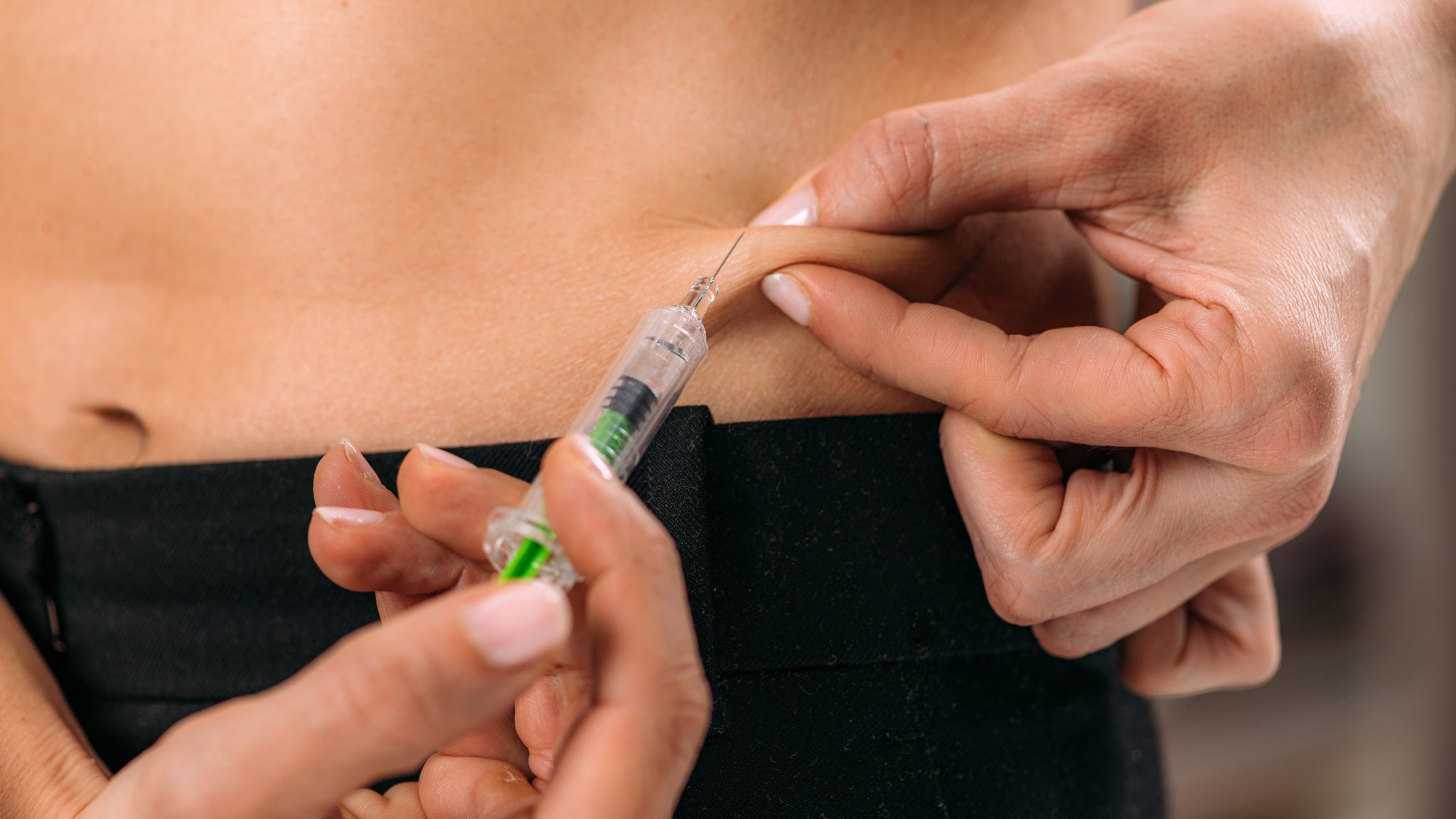
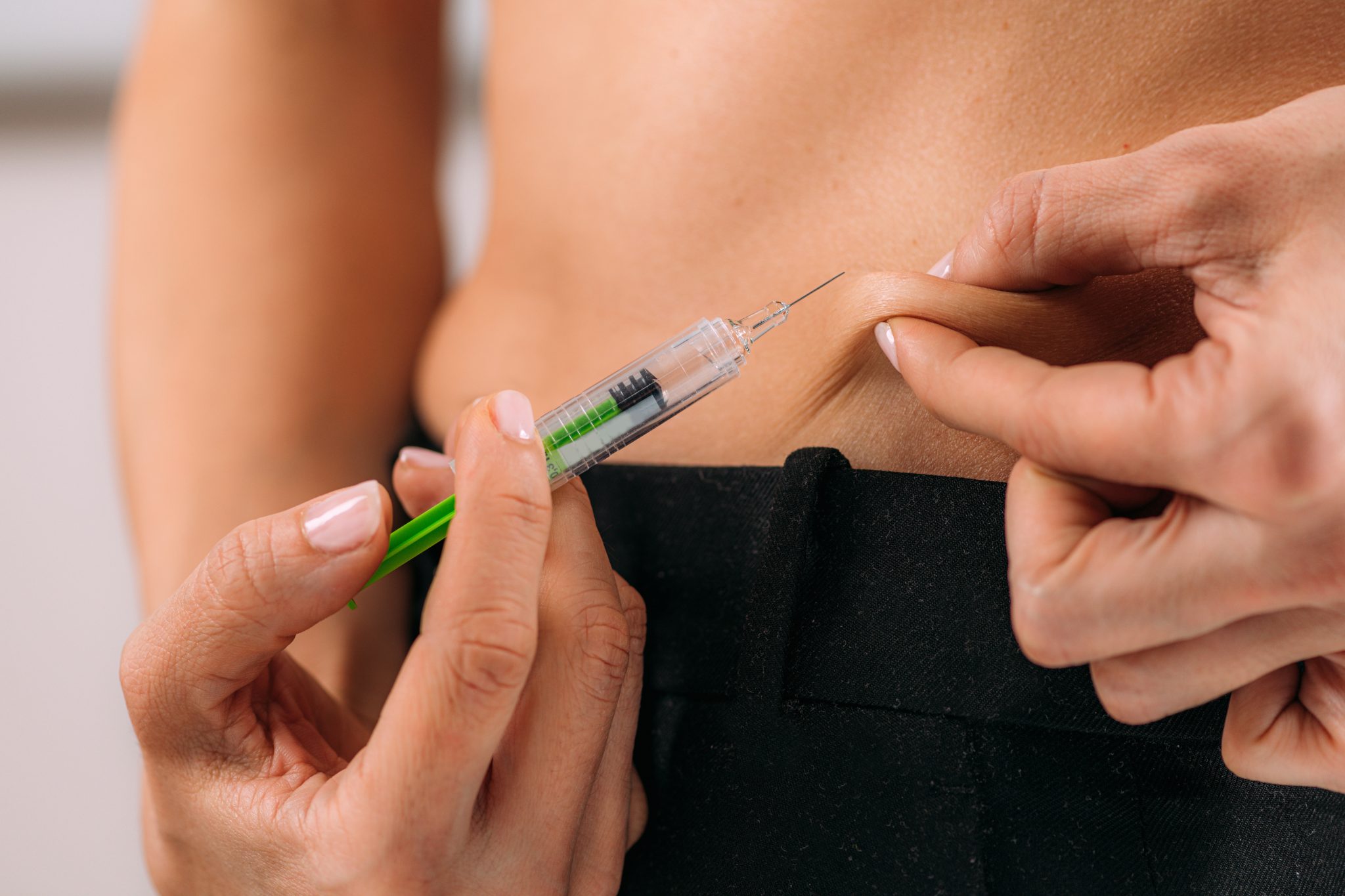
Both tirzepatide and Wegovy are given as once-weekly injections under the skin. This is called a subcutaneous injection. People usually give the injection in one of three places:
- the stomach area (abdomen)
- the thigh
- the back of the upper arm
The injection depth and technique are similar for both medications, but the devices that deliver them differ. These differences may change how easy each medication feels to use.
Tirzepatide’s Delivery System
Tirzepatide is delivered through a single-dose, prefilled pen. Each pen contains only one dose and is thrown away after one use. The pen is designed to be simple:
- It has no visible needle.
- The dose is pre-set, so the patient does not adjust anything.
- The injection starts with the press of a single button.
Because each pen contains only one specific dose, people change to a different pen strength as their dose increases over time.
Tirzepatide Dosing Schedule
Tirzepatide has several dose strengths. For weight management or diabetes treatment, the typical path includes slow increases to help reduce side effects:
- 2.5 mg once weekly (starting dose)
- 5 mg once weekly
- 7.5 mg once weekly
- 10 mg once weekly
- 12.5 mg once weekly
- 15 mg once weekly
Patients usually stay at each dose for at least 4 weeks before moving up to the next level. This slow increase helps the body adjust and improves how well people tolerate the medicine.
How Long Does Titration Take?
Reaching a full dose of tirzepatide may take 3–6 months, depending on the patient’s goal and how well they tolerate each step. The steady rise in dose is an important safety measure because tirzepatide works on two hormone receptors, which can increase side effects if increased too quickly.
Wegovy’s Delivery System
Wegovy also uses a single-use, prefilled injection pen, but the design is slightly different from tirzepatide’s device. Wegovy pens also:
- hide the needle
- come pre-set with one dose
- require only one push to activate the injection
However, Wegovy pens differ in shape and feel, and some patients report that the injection pressure or timing feels different. Both devices are designed for home use without medical assistance.
Wegovy Dosing Schedule
Wegovy has its own step-by-step titration schedule, designed to reduce stomach-related side effects:
- 0.25 mg once weekly
- 0.5 mg once weekly
- 1 mg once weekly
- 1.7 mg once weekly
- 2.4 mg once weekly (full dose)
Like tirzepatide, patients stay at each dose for 4 weeks before moving to the next level.
How Long Does Titration Take?
Most people reach the full Wegovy dose of 2.4 mg in 16 weeks. This titration plan is strict, and patients usually remain on the 2.4 mg maintenance dose unless side effects prevent them from doing so.
Comparing Titration Approaches
Both medications increase slowly over time, but tirzepatide offers more dose options. This allows healthcare providers flexibility to adjust the medication based on side effects or weight loss progress.
Wegovy’s titration has fewer steps, and everyone follows almost the same plan unless adjustments are needed for side effects.
Storage and Handling Requirements
Both medications must be kept in the refrigerator until use. However:
- Tirzepatide can remain at room temperature for up to 21 days.
- Wegovy can remain at room temperature for up to 28 days.
Neither medication should be frozen, and both must be protected from direct sunlight and heat.
Because each pen is used only once, disposal requires a sharps container, even though the needle is hidden.
Ease of Administration in Daily Life
Most patients find both medications manageable because:
- Only one injection is needed each week.
- The steps are simple and do not require drawing up medication.
- The pens are disposable after one use.
The main differences come from:
- the number of dose options
- the length of titration
- the design and feel of the device
- the side effect pattern at each dose
For some people, a medication with more flexible dosing (like tirzepatide) may feel easier to tolerate. Others may prefer a predictable schedule with fewer dose strengths (like Wegovy).

Who Is a Better Candidate for Each Medication?
Choosing between tirzepatide and Wegovy depends on a person’s health history, weight-related conditions, and treatment goals. Even though both medications help with weight loss, they work in different ways and have different approvals. This section explains the major factors that doctors consider. It also describes situations where one medication may be a better fit than the other. Understanding these points can help patients know what to expect when discussing options with a healthcare professional.
People With Type 2 Diabetes
One of the biggest differences between the two medications is their approved use in diabetes:
- Tirzepatide is approved to treat type 2 diabetes. It helps lower blood sugar and improves insulin sensitivity. For patients who have both obesity and type 2 diabetes, tirzepatide may be a strong option because it supports weight loss and glucose control at the same time.
- Wegovy, which contains semaglutide, is not approved to treat diabetes. The diabetes-approved version of semaglutide is called Ozempic, but Wegovy itself is for chronic weight management only.
Because of this, people who need help controlling blood sugar may be better candidates for tirzepatide. It directly supports diabetes management, while Wegovy does not.
People Seeking Weight Loss Only
For people without diabetes who want a medication made only for weight management:
- Wegovy is fully approved for chronic weight management in adults and some adolescents with obesity.
- Tirzepatide has versions intended for type 2 diabetes, and a separate version approved for weight loss, but not all forms may be labeled specifically for obesity depending on country and timing.
Someone who does not have diabetes and is mainly seeking weight loss may be guided toward Wegovy because it has a long track record and clear approval for this purpose. However, doctors may consider tirzepatide if a patient needs greater weight loss or has metabolic factors that would benefit from dual-hormone activity.
BMI and Obesity-Related Conditions
Doctors often use BMI and certain health problems to decide which medication makes sense. Both drugs are usually considered for:
- Adults with a BMI of 30 or higher, or
- Adults with a BMI of 27 or higher who also have health problems related to weight (such as high blood pressure, sleep apnea, or high cholesterol)
However, the choice can differ based on the severity of obesity and how fast a person needs to lose weight.
For example:
- Tirzepatide may be recommended when a higher amount of weight loss is needed because clinical studies show strong results.
- Wegovy may be preferred for people who want a medication with more long-term safety data in weight management.
Other Medical Conditions and Contraindications
Some patients should avoid certain medications due to underlying conditions. Doctors review:
- Personal or family history of medullary thyroid cancer
- History of pancreatitis
- Gallbladder disease
- Gastrointestinal disorders
- Kidney or liver problems
Both medications share many of the same warnings, but some patients tolerate one better than the other. If someone has had trouble with nausea or vomiting from one GLP-1 medication, their doctor may try adjusting the dose or may switch them to a different option.
Side-Effect Sensitivity
Both tirzepatide and Wegovy can cause nausea, diarrhea, vomiting, and reduced appetite. Some patients report stronger stomach effects with one medication compared to the other. Someone who struggles with tolerating these side effects may do better with:
- Slower dose increases
- A medication with a different receptor profile
- A switch from semaglutide to tirzepatide, or the reverse
Doctors often tailor the dose schedule to reduce symptoms.
People Considering Switching Between Medications
Some patients may switch from Wegovy to tirzepatide or the other way around. Reasons include:
- Supply shortages
- Insurance coverage changes
- Side-effect differences
- The need for stronger metabolic improvement
Switching must be managed by a clinician because doses are not equal between medications. A doctor may need to restart a lower dose and build up slowly.
Individual Goals and Preferences
The best choice also depends on personal goals:
- How much weight loss the person wants
- Whether they need diabetes control
- How their body reacts to weekly injections
- Cost and insurance approval
- Willingness to follow a long-term treatment plan
There is no single “better” medication for everyone. The right choice is the one that matches the patient’s health needs and safety profile.
Cost, Insurance Coverage, and Access
Understanding the cost and insurance coverage of tirzepatide and Wegovy is important because these medications can be expensive. Prices can also change depending on insurance plans, pharmacy programs, and whether a patient uses savings cards or manufacturer coupons. This section explains how much these medications typically cost, why insurance coverage varies, and what factors affect access for people who want to start treatment.
Typical Pricing Ranges
Both tirzepatide and Wegovy are brand-name prescription medications with no generic versions available right now. Because of this, their list prices are high. The list price is the price before insurance, coupons, or discounts.
- Tirzepatide (including versions approved for diabetes and versions approved for weight loss) usually has a monthly list price in the range of several hundred to over one thousand dollars.
- Wegovy (semaglutide for weight loss) also has a monthly list price that falls within a similar range, commonly around or above one thousand dollars.
These list prices can change over time, and different pharmacies may show slightly different prices. It is important to understand that very few people actually pay the full list price out of pocket. Insurance, manufacturer coupons, and pharmacy discount programs can change the final cost by a large amount.
Why Insurance Coverage Varies
Insurance coverage for weight-loss medications is complex. Some plans cover these drugs fully, some cover them partially, and some do not cover them at all. Coverage depends on whether a medication is approved for a condition that the insurance plan recognizes as medically necessary.
Tirzepatide
Tirzepatide has versions approved for type 2 diabetes and versions approved specifically for chronic weight management. Insurance plans often cover diabetes-related prescriptions more widely because diabetes is recognized as a long-term medical condition that requires treatment. When tirzepatide is prescribed for diabetes, coverage is more common.
Coverage for tirzepatide used only for weight loss is improving but is still limited in some plans. Employers and insurance companies decide whether to include weight-loss medications as part of their benefits, and many plans still consider weight-loss drugs optional or not medically necessary.
Wegovy
Wegovy is approved specifically for weight management in people who meet certain medical criteria, such as having obesity or being overweight with a related health condition. Even though it is FDA-approved for weight loss, many insurance plans still do not include weight-loss benefits or may require a long approval process.
Some insurers require:
- Documentation of failed lifestyle programs
- Proof of medical need, such as high BMI
- Records of previous medications tried
- Regular follow-up visits to continue coverage
This can make starting Wegovy more difficult for some patients.
How Indication Affects Coverage
The reason the medication is prescribed, known as the indication, has a large impact on coverage. The same medication may be covered in one situation but not in another.
- If tirzepatide is prescribed for type 2 diabetes, it is far more likely to be covered.
- If tirzepatide or Wegovy is prescribed for weight management, the insurer may deny coverage unless the plan includes weight-loss benefits.
- Some plans cover one drug but not the other, based on contract agreements with manufacturers.
This is why two patients with similar health needs can end up paying very different amounts.
Out-of-Pocket Costs and Savings Programs
Because of the high list prices, both manufacturers offer savings cards for people who qualify. These programs usually lower the monthly cost for people with commercial insurance, though they do not apply to people with government insurance plans such as Medicare or Medicaid.
Manufacturer savings cards may:
- Lower the copay to a set dollar amount
- Reduce monthly costs for a limited time
- Cover part of the medication only if insurance approves it
For people without insurance coverage, out-of-pocket costs often remain high.
Supply and Availability Challenges
Demand for these medications has grown quickly. At times, this demand has caused shortages or limited availability of certain dose strengths. When supply is limited, pharmacies may have delays in filling prescriptions. This can interrupt treatment because both medications rely on gradual dose increases over several weeks.
Availability may also vary by region. Some pharmacies receive larger or more frequent shipments. Patients sometimes need to call several pharmacies to find the correct dose.
Access Through Healthcare Providers
Access also depends on a healthcare provider’s evaluation. Some clinics specialize in metabolic or weight-management care, and they may help with insurance paperwork or appeals. Other providers may have less experience with these medications, which can affect how quickly patients can begin treatment.
Providers often help by:
- Submitting prior authorization paperwork
- Documenting medical need
- Tracking progress to maintain insurance approval
This support can make a significant difference in a patient’s ability to continue medication long-term.
Conclusion
Tirzepatide and Wegovy are often compared because both medications are used to support weight loss and improve metabolic health, but they are not the same. They differ in their ingredients, how they work in the body, their approved uses, and their safety profiles. Understanding these differences is important because it helps people make informed choices with their healthcare providers. The conclusion below brings together the key ideas covered throughout the article and explains why the differences between these two drugs matter.
The most important point to understand is that tirzepatide and Wegovy contain different active ingredients. Tirzepatide works as a dual GIP and GLP-1 receptor agonist, meaning it targets two hormone pathways that affect appetite, insulin release, and digestion. Wegovy contains semaglutide, which targets only the GLP-1 receptor. Because tirzepatide works on two receptors instead of one, its overall effects on weight loss and glucose control can be different. These ingredient differences also explain why the two drugs are not interchangeable, even though they may be prescribed for similar reasons.
Another major difference is how the medications work in the body. Wegovy slows stomach emptying, reduces appetite, and signals fullness through the GLP-1 receptor. Tirzepatide does these things as well, but the added GIP activity appears to improve metabolic responses in other ways, including stronger effects on insulin secretion and energy use. These combined actions may lead to greater average weight reduction for many patients when compared with Wegovy. However, this does not mean tirzepatide is the best option for every person. It simply means that the two drugs act through different processes, which can lead to different outcomes.
A review of clinical studies shows that both medications can help people lose significant weight when combined with healthy lifestyle changes. Many studies show that tirzepatide can produce more weight loss on average, but Wegovy has also shown strong and reliable results for many people. The differences in dosing also matter. Tirzepatide is available in a range of doses that continue to increase as treatment goes on, while Wegovy has its own titration schedule to help patients adjust. The right medication depends on a patient’s health history, how their body responds, and what their doctor recommends.
Approved uses also help highlight why these medications are not the same. Wegovy is approved specifically for chronic weight management. Tirzepatide is approved for type 2 diabetes management under certain brand names, and also has weight-loss-specific versions depending on regulatory approvals. This can affect insurance coverage, access, and which medication is recommended for a particular patient. Many people become confused because tirzepatide also shows strong effects on weight reduction, but its approval path has been different from Wegovy’s. Understanding this helps reduce confusion when discussing these medications with healthcare providers.
Safety profiles are another key part of the comparison. Both medications commonly cause mild to moderate digestive symptoms, such as nausea, vomiting, or diarrhea, especially during dose increases. These side effects generally improve over time. Both medications also carry rare but serious risks, including gallbladder issues or pancreatitis. Because tirzepatide acts on two hormone systems, it may cause some side effects more or less often than Wegovy. Long-term safety information continues to grow for both medications, and current evidence supports careful monitoring and regular follow-up visits with a healthcare professional.
Practical factors also shape the decision between tirzepatide and Wegovy. Both medications come as once-weekly injections. Each has its own injection device, storage rules, and dose steps. For many people, cost and insurance coverage can be major deciding factors. Coverage may vary widely depending on where a person lives, whether they have diabetes, and which medication their plan considers preferred. Supply issues have also affected access at times, which can influence availability.
When all these points are combined, the main message becomes clear: tirzepatide and Wegovy are designed to support weight loss and metabolic health, but they are different medications with their own unique features. The choice between them should not be based on general opinions or assumptions. Instead, it should be based on a person’s medical history, their weight-loss goals, their risk factors, and how their body responds to treatment. A healthcare professional can help guide this decision and provide follow-up support throughout treatment.
In the end, both tirzepatide and Wegovy play meaningful roles in modern obesity and metabolic care. They each offer strong benefits, but they work in different ways and are suited to different patients. As research continues to grow, these medications—and others like them—will help shape a new era of medical treatment for chronic weight-related health conditions.
Research Citations
Aronne, L. J., Horn, D. B., le Roux, C. W., Ho, W., Falcon, B. L., Gomez Valderas, E., Das, S., Lee, C. J., Glass, L. C., Senyucel, C., Dunn, J. P., & SURMOUNT-5 Trial Investigators. (2025). Tirzepatide as compared with semaglutide for the treatment of obesity. The New England Journal of Medicine, 393(1), 26–36. DOI: 10.1056/NEJMoa2416394
Frías, J. P., Davies, M. J., Rosenstock, J., Pérez Manghi, F. C., Fernández Landó, L., Bergman, B. K., Liu, B., Cui, X., Brown, K., & SURPASS-2 Investigators. (2021). Tirzepatide versus semaglutide once weekly in patients with type 2 diabetes. The New England Journal of Medicine, 385(6), 503–515. DOI: 10.1056/NEJMoa2107519
Rodriguez, P. J., Goodwin Cartwright, B. M., Gratzl, S., Brar, R., Baker, C., Gluckman, T. J., & Stucky, N. L. (2024). Semaglutide vs tirzepatide for weight loss in adults with overweight or obesity. JAMA Internal Medicine, 184(9), 1056–1064. DOI: 10.1001/jamainternmed.2024.2525
Munawar, N., Mahato, A., Rawat, A., Gill, F. S., Kumar, D., Katwal, S., Wei, C. R., & Ali, N. (2025). Tirzepatide versus semaglutide for weight loss in overweight and obese adults: A systematic review and meta-analysis of direct comparative studies. Cureus, 17(6), e86080. DOI: 10.7759/cureus.86080
Trinh, H., Donovan, A., & McAdam-Marx, C. (2025). Real-world effectiveness of tirzepatide versus semaglutide for weight loss in overweight or obese patients in an ambulatory care setting. Diabetes, Obesity and Metabolism, 27, 3523–3525. DOI: 10.1111/dom.16343
Hoog, M. M., Vallarino, C., Maldonado, J. M., Grabner, M., Teng, C.-C., Terrell, K., & Richard, E. L. (2025). Real-world effectiveness of tirzepatide versus semaglutide on HbA1c and weight in patients with type 2 diabetes. Diabetes Therapy, 16(11), 2237–2256. DOI: 10.1007/s13300-025-01794-9
Nauck, M. A., & D’Alessio, D. A. (2022). Tirzepatide, a dual GIP/GLP-1 receptor co-agonist for the treatment of type 2 diabetes with unmatched effectiveness regarding glycaemic control and body weight reduction. Cardiovascular Diabetology, 21, 169. DOI: 10.1186/s12933-022-01604-7
Liu, Q. K. (2024). Mechanisms of action and therapeutic applications of GLP-1 and dual GIP/GLP-1 receptor agonists. Frontiers in Endocrinology, 15, 1431292. DOI: 10.3389/fendo.2024.1431292
Liu, L., Cui, J., Neidecker, M. V., & Nahata, M. C. (2025). Tirzepatide vs semaglutide and liraglutide for weight loss in patients with overweight or obesity without diabetes: A short-term cost-effectiveness analysis in the United States. Journal of Managed Care & Specialty Pharmacy, 31(5), 441–450. DOI: 10.18553/jmcp.2025.31.5.441
Zhang, X., Papantoniou, P., & colleagues. (2023). Short-term cost-effectiveness analysis of tirzepatide for the treatment of obesity in the United States. Journal of Managed Care & Specialty Pharmacy, 29(3), 276–284. DOI: 10.18553/jmcp.2023.29.3.276
Questions and Answers: Are Tirzepatide and Wegovy The Same
No. Tirzepatide and Wegovy are different medications, though both are used for weight management.
Tirzepatide is a medication sold under brand names like Mounjaro and Zepbound. It is a dual GIP/GLP-1 receptor agonist used for type 2 diabetes and chronic weight management.
Wegovy is the brand name for semaglutide, a GLP-1 receptor agonist approved specifically for chronic weight management.
Not exactly. Both activate GLP-1 receptors, but tirzepatide also activates GIP receptors, giving it a dual mechanism.
No. Tirzepatide is approved for type 2 diabetes (as Mounjaro) and weight management (as Zepbound). Wegovy is approved only for weight management, not diabetes.
Clinical studies suggest tirzepatide generally produces greater weight loss than semaglutide at Wegovy doses, though individual results vary.
No. The dosing schedules and maximum doses differ because the medications have different active ingredients and potencies.
No. They should not be used together, as combining them could increase side effects without providing proven benefits.
They share common GLP-1–related side effects such as nausea, vomiting, and diarrhea, but tirzepatide may also cause effects related to its GIP activity.
No. They differ in formulation, mechanism, dosing, and approval. A healthcare provider must determine which—if either—is appropriate.