Table of Contents
Introduction — What This Guide Covers
Tirzepatide has become one of the most talked-about medications in recent years because of the way it affects weight, blood sugar, and overall metabolic health. Many people first hear about it through headlines, social media, or conversations with friends and doctors. But most do not fully understand what the drug actually does inside the body, why it works the way it does, or what results they can realistically expect. This guide explains these points in clear and simple terms so readers can understand the science without needing a medical background.
Tirzepatide is a medication that activates two important hormone pathways in the body. These pathways help regulate appetite, digestion, and blood sugar. Because of this dual action, tirzepatide affects several systems at once. It can lower blood sugar in people with type 2 diabetes, and it can also reduce body weight by changing how the brain responds to hunger and fullness. Many people want to understand whether these effects happen quickly or slowly, what the average results look like, and how long they last. This article answers those common questions by examining what research studies show about the drug’s benefits, how it works, and the timeline of changes a person might notice.
Another area that often confuses people is safety. Any medication that changes appetite and blood sugar also changes how certain organs work, such as the pancreas, stomach, and digestive system. Some people wonder if tirzepatide is safe to use for weight loss, whether it is approved only for diabetes, or whether taking it without diabetes is allowed in certain cases. Others want to know about short-term side effects, long-term risks, and how doctors monitor patients who use this medication. This guide includes a careful review of these points so readers understand both the benefits and the safety considerations.
It is also important to explain who tirzepatide is meant for. The drug is approved in many places for people with type 2 diabetes, and in some regions it also has approval for people with obesity or overweight who have weight-related health risks. In other cases, doctors may prescribe it off-label after evaluating a patient’s medical history. Because there are strict medical guidelines for medications in this class, people should know what qualifies someone for treatment and why a healthcare provider must be involved in every stage of the process.
Dosing is another topic that raises questions. Tirzepatide is not started at a high dose. Instead, doctors use a slow and steady approach. The dose begins low and increases gradually over several months. This schedule helps reduce stomach-related side effects and allows the body to adjust to the medicine. Understanding this process helps people know what to expect before starting, including why the first few weeks may feel different from later months.
A major part of this article focuses on what results people should expect. Research shows clear patterns in how blood sugar, appetite, weight, and metabolic markers change over time. Some people respond quickly, while others need more time. This guide describes these phases, from early changes in appetite to long-term changes in body weight and health markers. This helps set realistic expectations and explains why progress often comes in stages.
Throughout the article, readers will also learn how tirzepatide fits into the wider group of metabolic medications. While this guide does not compare tirzepatide to specific alternative drugs, it explains how its dual-hormone design places it within a unique class of treatments that target multiple pathways at the same time.
By the end of this guide, readers will have a clear understanding of what tirzepatide does, how it works, what benefits it offers, and what risks they must consider. The goal is to provide accurate, simple, and helpful information so that anyone reading—patients, caregivers, or those simply curious—can feel confident about the facts behind this medication.
What Exactly Is Tirzepatide?
Tirzepatide is a medicine used to help people improve their blood sugar levels and reduce body weight. It is a type of medication called an “incretin-based therapy,” which means it works with natural hormones in the body that help control appetite, digestion, and blood sugar. Tirzepatide is different from many older treatments because it works on two hormones instead of just one. This dual action gives it a unique role in metabolic care.
Tirzepatide is a synthetic peptide. A peptide is a short chain of amino acids, which are the building blocks of proteins. The structure of tirzepatide is designed to interact with specific hormone receptors in the body that control metabolism. Even though tirzepatide is made in a lab, it behaves in ways that mimic hormones your body already makes.
How tirzepatide is classified
Doctors place tirzepatide in a drug class known as dual GIP/GLP-1 receptor agonists. This group includes medicines that activate two natural hormone systems:
- GIP (glucose-dependent insulinotropic polypeptide)
- GLP-1 (glucagon-like peptide-1)
Both hormones help the body respond to food, especially meals that contain carbohydrates and fat. When these hormones work well, they help keep blood sugar in a healthy range and help control hunger. Tirzepatide activates both pathways at the same time, which is why its effects can be stronger or broader than medicines that activate only GLP-1.
How tirzepatide differs from traditional GLP-1 agonists
Many people know about GLP-1 medicines, which are used for diabetes and weight management. These drugs activate the GLP-1 receptor only. Tirzepatide, however, activates both GIP and GLP-1 receptors. This is important because GIP plays a role in insulin release and fat metabolism, and when GIP and GLP-1 act together, they can create a stronger effect than either hormone alone.
This is why tirzepatide is often described as a “dual-agonist.” Its dual action may help:
- Improve insulin release when blood sugar is high
- Reduce glucagon, a hormone that raises blood sugar
- Slow stomach emptying, which helps reduce hunger
- Increase fullness after eating
- Support long-term weight reduction
The combination of these effects can lead to more noticeable changes in weight, blood sugar, and appetite signals.
FDA approvals and medical uses
In many countries, tirzepatide is approved for the treatment of type 2 diabetes. It is used to help adults lower their A1C, which is a measure of average blood sugar over time. Some regions have also approved tirzepatide for chronic weight management in people who meet certain criteria, such as having obesity or being overweight with related medical conditions.
Doctors may prescribe tirzepatide when:
- A person has type 2 diabetes that is not well controlled with other medications
- A person is living with obesity and needs long-term support for weight loss
- A person has metabolic risk factors such as high blood pressure, high cholesterol, or fatty liver disease
While it is not approved for type 1 diabetes, tirzepatide may be used for people without diabetes who qualify under weight-management guidelines.
How tirzepatide is taken
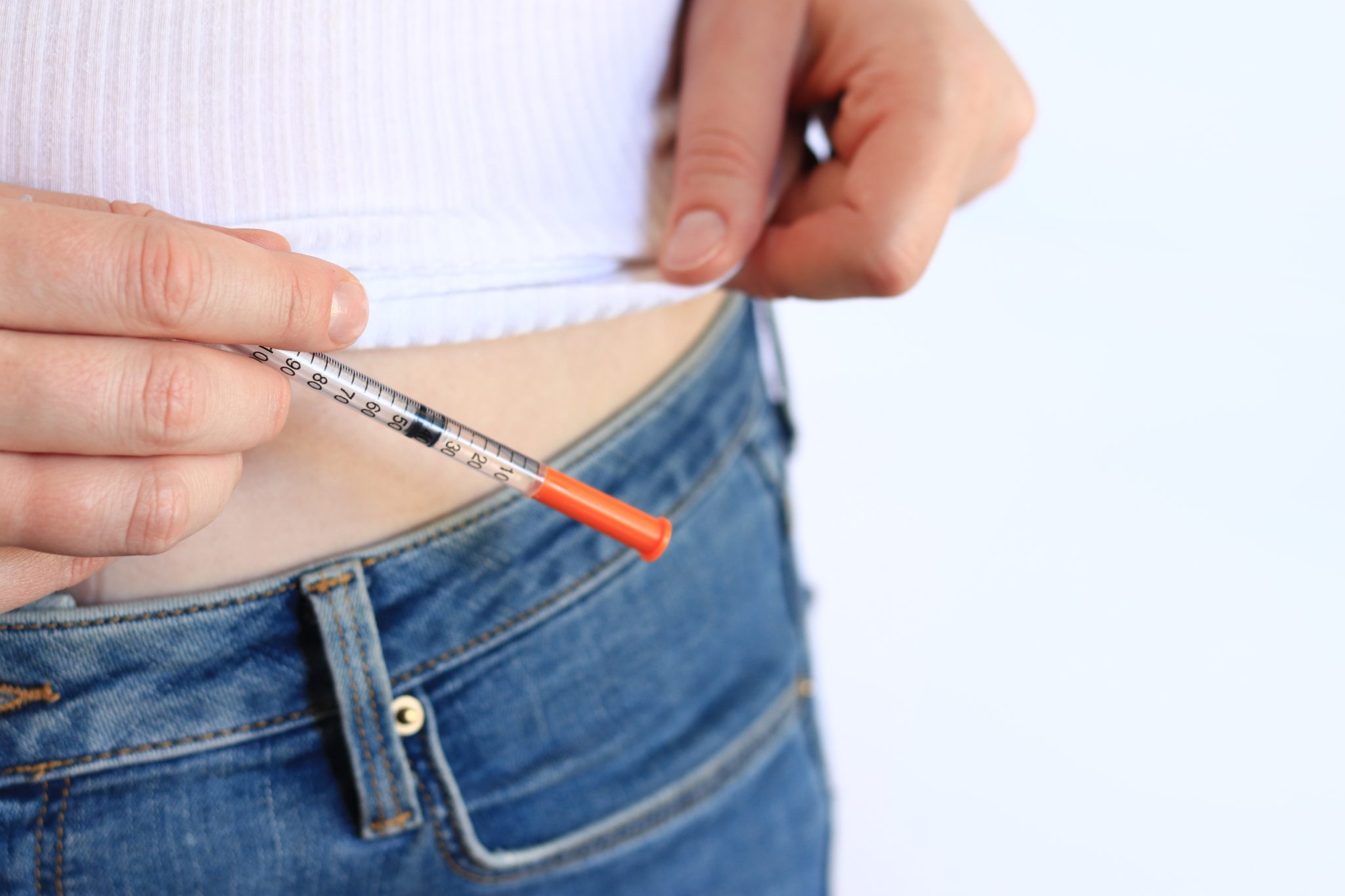
Tirzepatide is given as a once-weekly injection. The injection is placed under the skin, usually in the abdomen, thigh, or upper arm. It is not an insulin product and does not replace insulin for people who need insulin therapy. Instead, it works by helping the body better regulate insulin and blood sugar throughout the week.
Because it lasts for a full week, tirzepatide uses a long-acting design that keeps its hormone-activating effects steady over time. This helps support consistent appetite control and blood sugar stability.
Why tirzepatide matters today
Tirzepatide has gained attention because it brings together two hormone pathways in one medication. This approach reflects a new understanding of how the body manages weight and metabolism. Instead of targeting only blood sugar, tirzepatide also affects appetite, energy use, and fat storage. This makes it an important tool for people who struggle with metabolic health conditions.
Tirzepatide is a synthetic peptide medicine that activates both GIP and GLP-1 hormone receptors. This dual action helps the body control appetite, digestion, insulin release, and blood sugar. It is approved for type 2 diabetes and, in some regions, for long-term weight management. Given once a week, tirzepatide supports more stable metabolic control and can lead to meaningful improvements in weight and blood sugar.
How Tirzepatide Works: The Dual Hormone Mechanism Explained
Tirzepatide works in a unique way compared to most other medicines used for weight management or type 2 diabetes. It activates two different hormone receptors in the body at the same time. These two hormones—GIP and GLP-1—are part of a group called incretins. Incretins help the body manage blood sugar and control appetite after eating.
Most older medications activate only the GLP-1 pathway. Tirzepatide is different because it activates both GIP and GLP-1 receptors, and the two signals work together to create stronger effects on metabolism, appetite, and blood sugar control. This is why many people refer to tirzepatide as a “dual agonist.”
Below is a clear breakdown of how these hormones work and how tirzepatide uses them to create its therapeutic effects.
Understanding the Incretin System
Incretins are hormones released by the gut when you eat. They send signals to the pancreas, stomach, brain, liver, and other organs to help manage the energy from food. The two main incretins are:
- GIP (glucose-dependent insulinotropic polypeptide)
- GLP-1 (glucagon-like peptide-1)
They help the body:
- Release insulin when blood sugar rises
- Lower glucagon, a hormone that raises blood sugar
- Slow digestion so glucose enters the bloodstream more gradually
- Control hunger and fullness signals in the brain
Tirzepatide copies the action of both hormones at once. This combination leads to stronger and more predictable results.
What GIP Does and Why It Matters
GIP is a hormone that has often been overlooked, but research shows it plays an important role in metabolic health.
Helps the pancreas release insulin
GIP increases insulin release when blood sugar rises after eating. This helps keep glucose levels from climbing too high.
Reduces glucagon in certain conditions
Glucagon is a hormone that raises blood sugar. GIP helps lower glucagon during meals, which prevents large glucose spikes.
May affect fat use and storage
Studies show that GIP may help regulate how fat cells store and release energy. When combined with GLP-1 signaling, this may support improved fat burning and a healthier metabolic balance.
Boosts weight-management effects when paired with GLP-1
GIP alone does not cause major weight loss, but when used together with GLP-1 activation, it appears to strengthen appetite control and energy use. This “partner effect” is part of what makes tirzepatide unique.
What GLP-1 Does and Why It Is Important
GLP-1 is the hormone used in many modern diabetes and weight-management medications.
Increases insulin release
Like GIP, GLP-1 helps the pancreas release insulin only when blood sugar is high, helping prevent dangerous lows.
Decreases glucagon
GLP-1 lowers glucagon when it is not needed, helping the liver release less sugar into the bloodstream.
Slows stomach emptying
Food moves out of the stomach more slowly, leading to:
- A longer feeling of fullness
- Smaller rises in blood sugar after meals
- Reduced appetite throughout the day
Reduces hunger through brain signaling
GLP-1 activates appetite-control centers in the brain. This helps people feel satisfied with smaller meals.
The Synergistic Effect: Why Dual-Agonism Matters
When tirzepatide activates both hormone receptors at once, the signals combine in a helpful way.
Better insulin sensitivity
Together, GIP and GLP-1 help the body respond more effectively to insulin. This means cells can absorb glucose more easily, lowering blood sugar levels.
Stronger appetite control
Using both hormones at once improves fullness signals and reduces cravings. People tend to feel satisfied sooner and stay full longer.
Improved metabolic efficiency
Dual signaling helps the body shift toward better energy use, which supports:
- Lower blood sugar
- Better fat metabolism
- Reduced fat storage over time
Enhanced weight loss potential
Because tirzepatide uses two pathways, its effects on appetite and metabolism can be stronger than those seen with single-hormone treatments.
Tirzepatide works by activating two key incretin hormone receptors—GIP and GLP-1—at the same time. This dual-agonist approach helps control blood sugar, lower appetite, slow digestion, and support healthy weight loss. GIP and GLP-1 each have their own roles, but when combined, they create a stronger effect on metabolism than either hormone alone. This unique mechanism is a major reason why tirzepatide has shown such significant results in both diabetes care and weight-management studies.

What Does Tirzepatide Do in the Body? The Core Effects
Tirzepatide is a medication that works through several connected systems in the body, and these systems all relate to how we control blood sugar, appetite, and body weight. To understand what tirzepatide actually does, it helps to look at each of its major actions step by step. This section explains these effects in clear terms so readers can understand how one medication can influence many parts of metabolic health.
Tirzepatide Lowers Blood Glucose by Targeting the Pancreas and Liver
One of the most important things tirzepatide does is help the body manage blood sugar more effectively. It does this in two major ways:
It increases insulin release when blood sugar is high.
Insulin is a hormone made by the pancreas. Its job is to move sugar from the bloodstream into the body’s cells, where it can be used as energy. Tirzepatide activates receptors that help the pancreas produce more insulin only when it is needed. This means it does not push insulin levels too high when blood sugar is normal, which lowers the risk of low blood sugar.
It reduces glucagon levels when blood sugar is high.
Glucagon is another hormone from the pancreas. It raises blood sugar by signaling the liver to release stored glucose. People with type 2 diabetes often have too much glucagon, which increases blood sugar at the wrong times. Tirzepatide helps lower glucagon, which reduces excess glucose release from the liver.
Together, these two actions help stabilize blood sugar throughout the day, control spikes after meals, and support overall glucose balance.
It Reduces Appetite and Increases Feelings of Fullness
Another major effect of tirzepatide is how it interacts with appetite pathways in the brain.
Inside the brain, there are centers that regulate hunger and fullness. Tirzepatide activates receptors that:
- Make you feel full sooner during meals
- Reduce the desire to eat between meals
- Decrease cravings for calorie-dense foods
These appetite changes are not simply willpower or self-control. They come from clear signals sent through the gut-brain pathway, which tells the brain that the body has taken in enough food. Many people describe this as feeling satisfied with smaller portions or feeling full for longer after eating.
Because appetite is one of the strongest drivers of weight gain and weight retention, this effect plays a major role in why tirzepatide can lead to significant weight loss.
It Slows Gastric Emptying, Which Helps Control Hunger and Blood Sugar
Tirzepatide also slows the speed at which food leaves the stomach. This process is called “gastric emptying.”
When stomach emptying slows down:
- Blood sugar rises more slowly after meals
- The feeling of fullness lasts longer
- Hunger returns more slowly
- Digestive hormones stay more balanced
This is another way tirzepatide helps reduce appetite and improve glucose control at the same time. The body processes food in a steadier, more controlled manner, instead of sending large amounts of sugar into the bloodstream at once.
It Reduces Body Weight Through Metabolic and Behavioral Pathways
Tirzepatide supports weight loss through several overlapping mechanisms:
Lower appetite leads to lower calorie intake.
Most weight loss comes from the body naturally reducing daily calorie intake without feeling deprived.
Better insulin levels reduce fat storage.
High insulin levels encourage the body to store fat. Tirzepatide helps keep insulin responses more stable, which can support fat loss rather than fat storage.
Improved metabolic signals help the body use energy more efficiently.
The combination of GIP and GLP-1 activity may help the body shift toward using stored fat for energy, especially during longer treatment periods.
Because these effects work together, weight reduction can be more pronounced compared with medications that act on only one hormone system.
It Improves Cardiometabolic Markers Beyond Weight and Blood Sugar
Research shows that tirzepatide may also help improve several other markers of metabolic health:
- Lower A1C levels
- Improved cholesterol, including lower triglycerides
- Reduced blood pressure in some individuals
- Decreased liver fat
- Better insulin sensitivity
These improvements matter because they lower the risk of long-term complications linked to obesity and type 2 diabetes.
Tirzepatide works by improving how the body manages hunger, blood sugar, and metabolic function. It increases insulin when needed, reduces glucagon, slows down digestion, lowers appetite, and supports steady weight loss. It also helps improve several health markers related to heart and metabolic health. These combined effects explain why tirzepatide is considered a powerful tool for people who need help controlling blood sugar, reducing weight, or improving overall metabolic balance.
Evidence-Based Benefits of Tirzepatide
Tirzepatide has been studied in many large clinical trials. These studies help doctors understand how the medication works in real people over time. Most of the results come from trials in adults with type 2 diabetes or adults with excess weight or obesity. The findings show several important benefits. These include meaningful weight loss, lower blood sugar, better cholesterol numbers, and improvements in overall metabolic health. Below, each benefit is explained in clear detail to help you understand what the medication can and cannot do.
Weight-Related Outcomes
One of the most well-known effects of tirzepatide is its ability to help people lose weight. In clinical trials, researchers saw weight loss that was greater than what is usually seen with many other medications for diabetes or obesity. The amount of weight loss depended on the dose used and how long the treatment lasted.
- Average weight loss:
Many people lost between 15% and 20% of their body weight when taking higher doses over 72 weeks. Lower doses produced weight loss too, but the effect was smaller. This means that tirzepatide may help with significant weight reduction when used consistently and correctly. - Early versus long-term changes:
Weight loss usually starts slowly. Some people begin noticing small changes within the first month, mostly due to reduced appetite. Larger changes happen after several months of treatment. By 3 to 6 months, weight loss becomes more noticeable. After that, steady weight loss continues or reaches a plateau. A plateau means weight stops changing for a while, which is normal for long-term weight-loss programs. - Why it works:
Tirzepatide reduces hunger, increases the feeling of fullness, and changes how the body handles energy. These changes make it easier to eat fewer calories without feeling deprived. Some people also report fewer cravings, especially for high-carbohydrate or high-fat foods. Although everyone is different, many patients benefit from the medication’s appetite-regulating effects.
Glycemic Outcomes
Tirzepatide was originally developed to help manage type 2 diabetes, and it remains one of its strongest and clearest benefits. The medication improves blood sugar levels in several ways.
- Lowering A1C:
A1C is a blood test that shows average blood sugar levels over three months. In studies, tirzepatide lowered A1C by up to 2.0% or more, depending on the dose. For many people, this helped them reach the recommended A1C target set by their doctor. - Better fasting and post-meal glucose:
Tirzepatide helps the pancreas release insulin when it is needed and prevents the liver from releasing too much sugar into the blood. These actions help lower blood sugar after meals and overnight. Many people experience more stable blood sugar levels throughout the day. - Lower insulin resistance:
Over time, tirzepatide may help the body become more sensitive to insulin. Better insulin sensitivity means the body can use the insulin it has more effectively.
Improvements in Metabolic Health
Beyond weight and blood sugar, tirzepatide also affects other parts of metabolic health. These areas are important because they relate to long-term risks like heart disease.
- Blood pressure:
Some people taking tirzepatide show mild reductions in blood pressure. This may be due to weight loss, improved blood sugar control, or direct effects of the medication on the cardiovascular system. - Cholesterol and triglycerides:
Studies have reported improvements in LDL (“bad”) cholesterol, triglycerides, and in some cases increases in HDL (“good”) cholesterol. These improvements support better heart and blood vessel health. - Liver fat:
Tirzepatide may reduce fat stored in the liver. Too much liver fat can lead to fatty liver disease, which is common in people with obesity or diabetes. Lower liver fat is linked to better long-term liver health.
Functional and Quality-of-Life Outcomes
Although tirzepatide is not designed to boost energy directly, many people feel better as their weight decreases and their blood sugar becomes more stable.
- Appetite control:
People commonly describe feeling full sooner and satisfied with smaller meals. This effect makes it easier to follow healthy eating habits. - Daily comfort and energy:
Improved metabolic health can make normal physical activity feel easier. Some individuals experience improvements in mobility, stamina, and sleep patterns as their weight decreases. - Emotional well-being:
Better control of eating behaviors and improved biological markers may help support a sense of progress, even though the medication itself does not treat mental health conditions.
Tirzepatide provides several evidence-based benefits across weight, blood sugar control, and overall metabolic health. People typically see steady weight loss, major improvements in A1C, better cholesterol and blood pressure numbers, and reduced liver fat. These changes happen gradually and continue over many months. While results vary, the benefits seen in clinical trials make tirzepatide a powerful option for improving metabolic conditions when used under medical guidance.
How Long Does Tirzepatide Take to Work? Timeline of Expected Results
Tirzepatide begins working in the body soon after the first dose, but the changes you notice depend on which effect you are looking for—blood sugar control, appetite control, or weight change. The medicine builds its effect slowly because the dose is increased step-by-step over several weeks. This gradual approach helps the body adjust and reduces stomach-related side effects.
Below is a clear timeline showing what most people can expect. Individual results can be different, but the general pattern is similar across clinical studies.
Weeks 1–4: Early Hormonal Effects Begin
During the first month, tirzepatide starts to activate the GIP and GLP-1 receptors in the body. These are the same hormone pathways the gut uses to control appetite and blood sugar levels after meals.
Blood Sugar Changes
- Many people with type 2 diabetes notice lower fasting blood sugar within the first 1–2 weeks.
- Post-meal blood sugar spikes also begin to improve.
- These changes happen because tirzepatide helps the pancreas release insulin more effectively when blood sugar rises, and reduces glucagon, a hormone that causes the liver to release sugar.
Appetite and Fullness
- Appetite often begins to decrease during this time.
- People may feel full sooner when eating.
- Some may notice reduced cravings or less interest in eating between meals.
Weight Change
- Weight loss is usually small during the first few weeks since the starting dose is low.
- Early changes may be 1–3 pounds, though this varies by person.
At this stage, the medication is “building up” in the system. The full effect has not yet appeared.
Months 1–3: Noticeable Weight and Glucose Improvements
As the dose increases—usually every 4 weeks—most people begin to feel clearer changes.
Appetite Control Strengthens
- Meals that once felt necessary may no longer feel as urgent.
- Smaller portions may feel satisfying.
- Hunger between meals often decreases.
This stronger appetite control is one of the key reasons tirzepatide supports weight loss.
Blood Sugar Improvements Become Larger
- A1C levels begin to drop steadily.
- Fasting and post-meal readings often show consistent reductions.
- Some people may need adjustments to other diabetes medications to avoid low blood sugar.
Weight Loss Becomes More Noticeable
- Most people begin losing weight at a clearer pace, often a few pounds per month.
- Clothes may fit differently.
- Some people experience faster progress, while others lose weight more slowly.
By the end of month 3, many people can see measurable changes in the mirror or on the scale.
Months 3–6: Steady Progress and Stronger Metabolic Effects
This period is when many people achieve their most steady and predictable results.
Metabolism Stabilizes
- The body becomes more sensitive to insulin.
- Baseline inflammation often decreases.
- Some measures, like cholesterol or liver fat, may show improvement.
Continued Weight Loss
- Weight loss tends to continue at a moderate and steady rate.
- Many people reach 5–10% of their starting body weight by this time, depending on dose and lifestyle factors.
- People who reach higher doses (such as 10 mg or 15 mg) often see larger changes.
Better Control of Eating Patterns
- Many people report feeling satisfied with smaller meals.
- Emotional or stress-related eating may decrease because hunger signals feel calmer.
Although tirzepatide is not a stimulant, the changes in satiety hormones often make eating feel more predictable and easier to manage.
After 6 Months: Plateau and Long-Term Trends
After six months, the body often reaches a “steady state.”
Weight Plateaus
- A plateau is normal and expected.
- The body adjusts to lower calorie intake and stabilizes at a new weight.
- Continued progress may require dose adjustments, lifestyle support, or time.
Long-Term Metabolic Benefits
- A1C levels may remain well controlled.
- Insulin sensitivity typically stays improved.
- Cardiometabolic markers such as cholesterol or blood pressure may continue to improve.
Because tirzepatide acts on multiple metabolic pathways, benefits tend to persist as long as treatment continues.
Tirzepatide begins working within the first week, especially for blood sugar control, but the strongest effects appear gradually over several months. Early changes include reduced appetite and better glucose readings. Most weight loss happens between months 1 and 6 as the dose increases and the body adapts. After six months, results usually stabilize, and long-term benefits continue with regular treatment.

Who Is Tirzepatide For? Approved Uses and Off-Label Context
Tirzepatide is a prescription medicine used to help people manage their metabolic health. It is most commonly prescribed for type 2 diabetes or obesity and excess weight when health problems are also present. Doctors may also use it in certain situations where a person does not have diabetes, but only when there is a medical need. This section explains who tirzepatide is meant for, who may benefit from it, and what factors doctors consider before starting someone on the medication.
Approved Uses for Tirzepatide
Type 2 Diabetes
Tirzepatide is FDA-approved to help adults with type 2 diabetes improve their blood sugar control. It works by helping the body release insulin more effectively, lowering glucose after meals, and reducing appetite. People with type 2 diabetes may use tirzepatide when lifestyle changes and other medications are not enough. It can be used alone or with other diabetes medicines, but doctors decide the safest combination.
Tirzepatide is not approved for type 1 diabetes, because people with type 1 diabetes cannot produce insulin, and the medication cannot replace that need.
Obesity and Medical Weight Management
In many regions, tirzepatide is also approved for chronic weight management. This use applies to adults who meet specific medical criteria, such as:
- Body mass index (BMI) of 30 or higher, which meets the definition of obesity
- BMI of 27 or higher with at least one weight-related health condition, such as:
- High blood pressure
- High cholesterol
- Type 2 diabetes
- Sleep apnea
- High blood pressure
Doctors diagnose obesity as a long-term health condition, not simply a matter of appearance. Tirzepatide may be used as part of a full treatment plan that includes nutrition support, physical activity, and ongoing medical supervision.
Using Tirzepatide Without Diabetes
One of the most common questions is:
“Can you take tirzepatide if you do not have diabetes?”
Yes, many adults who do not have diabetes may still qualify for tirzepatide if they meet medical guidelines for obesity or overweight with health risks. In clinical trials, people without diabetes experienced significant weight loss and improvements in several metabolic measures.
Doctors may also consider tirzepatide for people with metabolic issues such as insulin resistance, fatty liver disease, or prediabetes. However, this depends on clinical judgment and regional regulations.
It is important to understand that tirzepatide is not meant for casual weight loss or short-term cosmetic goals. It is a long-term therapy that requires careful monitoring and a clear medical reason for use.
Who Should Not Take Tirzepatide? Contraindications and Cautions
Doctors review a person’s health history before prescribing tirzepatide. Certain people should not take it, and others must use it with caution.
People with Personal or Family History of Certain Thyroid Tumors
Tirzepatide is not recommended for people with:
- A history of medullary thyroid carcinoma (MTC)
- A rare inherited condition called multiple endocrine neoplasia syndrome type 2 (MEN2)
This warning is based on findings in animal studies, but doctors take it seriously until more human data is known.
People Who Have Had Pancreatitis
Tirzepatide may not be right for people with:
- A history of pancreatitis
- Unexplained abdominal pain
Doctors make decisions case by case, because evidence is still developing.
Pregnancy and Breastfeeding
Tirzepatide is not recommended during pregnancy. It may also not be safe during breastfeeding. Women who can become pregnant may need to use contraception while taking tirzepatide.
Severe Gastrointestinal Disease
People with severe stomach or intestinal problems, such as gastroparesis, may not tolerate tirzepatide well because it slows stomach emptying.
Use With Certain Medications
Tirzepatide can interact with other drugs that lower blood sugar, especially insulin or sulfonylureas. This combination can increase the risk of low blood sugar, so doctors adjust doses carefully.
Why Medical Oversight Is Essential
Tirzepatide affects many parts of the metabolic system, so close medical care is necessary. Doctors monitor:
- Weight changes
- Blood sugar levels
- Digestive symptoms
- Thyroid or gallbladder issues
- Overall health progress
Tirzepatide works best when combined with a long-term plan that includes nutrition, exercise, and support for lasting lifestyle changes.
Tirzepatide is designed for people with type 2 diabetes or obesity, and in some cases for those who are overweight with related health problems. It can also be used in people without diabetes when medical criteria for weight management are met. However, it is not for everyone, and doctors must review each person’s health conditions, medications, and long-term goals before prescribing it. Because tirzepatide affects blood sugar, appetite, stomach emptying, and metabolic hormones, ongoing medical supervision is important to ensure safe and effective use.
Dosing Guide: How Tirzepatide Is Typically Prescribed
Tirzepatide is given as a once-weekly injection, and the dose is increased slowly over time. The goal of this step-by-step process is to help the body adjust to the medicine and reduce stomach-related side effects. Understanding how the dosing works can help patients feel more prepared, know what to expect, and follow their treatment plan safely.
Starting Dose: Why Everyone Begins Low
Most people start with a 2.5 mg dose once a week.
This is not a treatment dose. Instead, it acts as a “starter” level. Doctors use this low beginning dose for one main reason:
- To help the body get used to the medicine and lower chances of nausea, stomach upset, and other digestive side effects.
During the first few weeks, the body begins adjusting to the hormone-like effects of tirzepatide. Appetite often decreases, and some people feel full faster. Blood sugar may begin to improve if the person has type 2 diabetes. But this early dose is simply preparing the body for higher, more effective doses later.
Dose Escalation: How the Dose Rises Over Time
After taking 2.5 mg for four weeks, most people move to a 5 mg weekly dose. This is considered the first active treatment level. People usually stay on this dose for another four weeks. If the body handles it well, the dose may increase again.
Typical dose steps include:
- 2.5 mg once weekly – starter dose for 4 weeks
- 5 mg once weekly – first treatment dose
- 7.5 mg once weekly – optional step if needed
- 10 mg once weekly
- 12.5 mg once weekly
- 15 mg once weekly – highest dose
Each step usually lasts 4 weeks, but the timing can be adjusted. The schedule depends on how the person responds and what the doctor believes is safe and helpful.
Why Doses Increase Gradually
Tirzepatide affects digestion, appetite, and hormones. Increasing too quickly can overwhelm the stomach or cause strong nausea. Slow titration serves several important purposes:
- Allows the stomach to adjust
The medicine slows how quickly food leaves the stomach. A slow increase gives the digestive system time to adapt. - Reduces side effects
Many digestive symptoms—such as nausea or diarrhea—are more common at higher doses. A step-up plan keeps these manageable. - Improves long-term success
People who move too fast through doses may be more likely to stop treatment early. A gradual rise helps the body adapt, leading to better results over time.
Choosing the Right Dose for Weight or Blood Sugar Goals
People respond differently to tirzepatide. Some may see strong results at lower doses, while others may need the highest approved dose. Doctors select doses based on several factors:
- For blood sugar control (Type 2 diabetes):
A moderate dose may be enough for many people to reach their A1C goals. - For weight management:
Higher doses generally lead to greater weight loss in clinical studies, but only if the person tolerates them well. - For overall metabolic health:
Doctors may adjust the dose based on blood tests, blood pressure, appetite changes, and individual risks.
The “right” dose is always the one that provides the most benefit with the fewest side effects.
If a Dose Causes Side Effects
Sometimes, a person may reach a dose that is hard to tolerate. In that case, a doctor may:
- Keep the person at the same dose for longer
- Lower the dose temporarily
- Delay the next increase
- Provide guidance on food choices or timing of meals
Most side effects improve after the body adapts. Communication with the doctor helps the treatment stay safe and effective.
Basic Injection Considerations (Non-instructional Overview)
Tirzepatide is injected under the skin (subcutaneous injection) once a week. People usually choose one day as their “weekly dose day.” The injection can be given in areas such as:
- The abdomen
- The thigh
- The upper arm
Many people prefer to rotate sites to reduce irritation. The injection comes in a pre-filled, single-use pen designed to be simple to use.
Tirzepatide dosing is built on a slow, steady plan. Everyone starts at a low dose to protect the stomach and reduce early side effects. Over time, the dose increases step by step until the person reaches the level that works best for their health goals. Higher doses often bring stronger weight and blood sugar benefits, but only if they are tolerated well. Good communication with a healthcare provider helps ensure safe dose adjustments and supports long-term success with tirzepatide.
Safety, Side Effects, and Risks
Tirzepatide is generally considered safe when used as prescribed, but like all medications, it can cause side effects. Some are mild and common, while others are less common but more serious. Understanding these effects helps people know what to expect and when to seek medical advice. This section explains the main safety topics in clear detail so readers can feel informed and prepared.
Common Side Effects
Many people who take tirzepatide experience digestive side effects, especially during the first weeks. These usually improve over time as the body adjusts to the medication or as the dose is increased slowly.
Nausea
Nausea is the most common side effect. Tirzepatide slows stomach emptying and increases feelings of fullness. This can cause mild to moderate nausea, especially after meals or as the weekly dose increases. Eating smaller meals, avoiding heavy or greasy foods, and staying hydrated may help reduce symptoms. Most people find that nausea improves after a few weeks.
Vomiting
Some people may vomit during the early dose stages. Vomiting is more likely if the starting dose is higher than recommended or if the dose is increased too quickly. If vomiting is frequent or severe, a healthcare provider may slow the dose schedule or adjust treatment.
Diarrhea
Loose stools or diarrhea can occur when digestive movements speed up or change. This is also common among medications that affect the gut’s hormone pathways. Drinking fluids and replacing electrolytes may be important to prevent dehydration.
Constipation
While some people experience diarrhea, others may develop constipation, especially when appetite decreases and food intake becomes lower. Drinking water, eating fiber, and staying active may help ease this.
Decreased Appetite
Tirzepatide lowers appetite as part of its intended effect. While this helps with weight reduction, a very low appetite may sometimes lead to not eating enough. A clinician may give guidance on balanced nutrition to avoid weakness or nutritional deficits.
These side effects are usually temporary and mild, but if any become severe or long-lasting, users should contact a healthcare provider.
Less Common but Important Risks
Most people do not experience serious complications, but it is still important to understand the less common risks so that symptoms can be recognized early.
Gallbladder Problems
Rapid weight loss and changes in digestion may increase the risk of gallstones or inflammation of the gallbladder. Symptoms may include:
- Pain in the upper right side of the abdomen
- Nausea or vomiting
- Fever
- Yellowing of the skin or eyes (rare)
People with a past history of gallbladder disease should discuss this risk with their clinician.
Pancreatitis
Pancreatitis (inflammation of the pancreas) is rare, but possible. Signs include:
- Severe stomach pain that does not go away
- Pain that spreads to the back
- Nausea and vomiting
Anyone with these symptoms should seek medical care right away. People with a history of pancreatitis may not be good candidates for tirzepatide.
Hypoglycemia (Low Blood Sugar)
Tirzepatide alone usually does not cause low blood sugar. However, the risk increases when it is used together with medications such as insulin or sulfonylureas. Symptoms of low blood sugar include:
- Shaking
- Sweating
- Fast heartbeat
- Feeling confused or dizzy
Clinicians may adjust other diabetes medications to lower this risk.
Long-Term Safety and Ongoing Research
Thyroid C-Cell Tumor Warning
Tirzepatide carries a warning about possible thyroid tumors. This warning comes from studies in animals, where very high doses caused a specific type of thyroid tumor. These tumors have not been confirmed in humans, but because the risk is uncertain, the medication is not recommended for people who have:
- A family history of medullary thyroid cancer
- A condition called Multiple Endocrine Neoplasia Type 2 (MEN 2)
Anyone experiencing neck swelling, hoarseness, or trouble swallowing should inform a clinician.
Cardiovascular Outcomes
Early research suggests that tirzepatide may improve heart-related risk factors such as blood pressure, blood sugar, and cholesterol. Large clinical trials are still ongoing to understand long-term effects on heart disease and stroke. Current evidence is encouraging, but full results will take several years.
Drug Interactions
Tirzepatide may interact with:
- Other diabetes medications
- Certain oral drugs that depend on stomach emptying speed
Because tirzepatide slows digestion, it may change how fast the body absorbs some medications.
Tirzepatide is generally safe for most people when used under medical supervision. The most common side effects affect the digestive system, such as nausea, vomiting, diarrhea, constipation, and lower appetite. These effects are usually mild and improve as the body adjusts. Less common risks include gallbladder problems, pancreatitis, and low blood sugar, mainly when used with other diabetes medicines. Long-term safety studies continue, but current evidence shows promising results for metabolic health. Anyone considering tirzepatide should discuss their medical history and potential risks with a healthcare provider to ensure safe and effective treatment.

What Kind of Results Should You Expect? Clinical Data & Realistic Outcomes
Tirzepatide has become well known for its strong results in both weight management and blood sugar control. However, every person responds differently, and it is important to understand what “typical results” look like based on medical studies. This section explains the expected amount of weight loss, how blood sugar levels usually change, why results vary between individuals, and what to expect over the long term.
Expected Weight Loss Outcomes
Clinical trials show that tirzepatide can lead to significant weight loss for many people. The amount of change depends on the dose, starting weight, and how long the medicine is used.
Most studies looked at people using tirzepatide for 72 weeks (a little over a year). On average:
- Lower doses produced noticeable but moderate weight loss.
- Medium doses produced stronger weight loss.
- Higher doses produced the largest changes, with some groups losing more than 20% of their starting body weight.
These averages mean that many people experience steady weight loss over time, especially after the first 8–12 weeks. The early phase often includes slow and gradual loss, which becomes more noticeable as the dose increases and the body adapts.
Weight loss happens because tirzepatide affects several pathways at once. It lowers appetite, increases fullness, reduces cravings, slows stomach emptying, and may increase the body’s ability to use energy more efficiently. These combined effects make it easier to eat fewer calories without feeling as hungry.
It is important to know that not everyone loses weight at the same rate. Some people see faster results, while others take longer to respond. Lifestyle factors, such as food choices, sleep, stress, and physical activity, also play a role.
Expected Changes in Blood Sugar Levels
Tirzepatide was first studied and approved for type 2 diabetes. In these studies, people taking tirzepatide had large improvements in their A1C levels. A1C is a blood test that shows average blood sugar over the past three months.
In many trials:
- A1C dropped by about 2 percentage points or more.
- Fasting blood sugar improved within the first few weeks.
- After 3–6 months, many people reached A1C levels considered within goal range.
These improvements happen because tirzepatide increases insulin release when blood sugar rises, and reduces the amount of glucose produced by the liver. It also slows how fast food moves through the stomach, which lowers post-meal spikes.
People without diabetes may not see dramatic A1C changes, because their levels are already normal. However, they may still see improvements in insulin resistance, fasting insulin, and overall metabolic health.
Metabolic Improvements Beyond Weight and Blood Sugar
Many people also see changes in other health markers, such as:
- Blood pressure: Small reductions in both systolic and diastolic pressure.
- Cholesterol and triglycerides: Lower levels of unhealthy fats, especially triglycerides.
- Liver fat: Decreases in fatty liver levels in those with metabolic disease.
- Inflammation markers: Improvements in some markers related to long-term metabolic risk.
These changes often come from weight loss itself, but tirzepatide also has direct effects on hormones that regulate metabolism.
Why Results Vary Between Individuals
Even with strong average results, there is wide variation. Reasons include:
- Starting weight and metabolic health
- Genetics and body composition
- Dose level and how long the medicine is used
- Ability to follow the dosing schedule
- Eating habits and physical activity
- Other medical conditions or medications
Some people respond quickly, while others are slow but steady. A small percentage may lose little weight even on higher doses. This does not mean the medicine is ineffective, but it shows how complex metabolism can be.
Understanding Plateaus and Long-Term Maintenance
Most people reach a plateau at some point. This is normal. Weight loss slows as the body adjusts to a lower calorie intake and lower body weight.
Plateaus can last weeks or months. Common reasons include:
- Lower energy needs at a lower weight
- Less appetite reduction as the body adapts
- Hormonal adjustments that protect against further weight loss
Often, increasing the dose (under medical supervision), adjusting lifestyle habits, or giving the body more time helps progress resume.
For long-term maintenance, continued treatment is usually required. Stopping tirzepatide often leads to gradual weight regain because appetite and insulin signals return to their previous state.
Tirzepatide can lead to significant and steady weight loss, major improvements in blood sugar, and better overall metabolic health. Results vary from person to person, but most people begin to notice changes within the first few months. Plateaus are normal, and long-term treatment may be needed to maintain progress. Overall, tirzepatide offers strong, clinically supported outcomes when used under medical guidance and paired with healthy habits.
How Tirzepatide Fits Within Its Therapeutic Class (Without Discussing Alternatives)
Tirzepatide is part of a group of medicines called incretin-based therapies. These medicines help the body use natural hormones that control blood sugar, appetite, and digestion. To understand where tirzepatide fits in this class, it helps to look at how these hormones normally work and why tirzepatide is unique.
In the body, incretin hormones are released from the gut after you eat. They send messages to the brain, pancreas, stomach, and liver. Their job is to reduce blood sugar spikes, help the body release insulin in a safer way, and signal fullness. Most drugs in this class focus on just one hormone pathway. Tirzepatide, however, works on two major incretin pathways at the same time. This gives it a different position and role compared to other medicines in the same family.
Dual-Agonist Activity: The Key Feature That Defines Tirzepatide
The most important feature of tirzepatide is its dual-agonist activity. This means it activates two hormone receptors:
- GIP receptor (glucose-dependent insulinotropic polypeptide)
- GLP-1 receptor (glucagon-like peptide-1)
Most incretin drugs work only on the GLP-1 pathway. Tirzepatide is the first of its class to stimulate both.
Why This Matters
Because tirzepatide works on both receptors, it delivers a broader set of effects:
- Better control of blood sugar by improving insulin release when needed
- Reduced glucagon levels, which helps prevent high blood sugar
- More appetite control, so people feel full sooner and stay full longer
- Slower stomach emptying, which supports steady blood sugar and reduces overeating
- Possible added metabolic effects, because GIP may influence how the body uses fat and energy
This dual action is what gives tirzepatide its place as a novel or next-generation incretin therapy.
Tirzepatide and Its Role in Incretin Pharmacology
Incretin pharmacology is the science of how incretin hormones help regulate metabolism. Tirzepatide fits into this field by expanding on what incretins can do when activated together.
GLP-1 Action
Tirzepatide activates the GLP-1 receptor in a way that:
- Lowers blood sugar after meals
- Helps the pancreas release insulin only when glucose levels are high
- Reduces appetite in the brain
- Slows down how fast food leaves the stomach
These effects are well-known in GLP-1–based therapies. Tirzepatide includes these benefits but adds an extra layer with GIP.
GIP Action
GIP has several roles that researchers are still exploring. Some known effects include:
- Helping the body release insulin after eating
- Supporting fat metabolism
- Sending signals that may enhance the feeling of fullness
- Interacting with inflammation and energy regulation
When GLP-1 and GIP signals work together, studies show the effects may be stronger than using either pathway alone.
Why Dual-Pathway Activation May Enhance Clinical Results
This is the main reason tirzepatide stands out. Activating two incretin pathways may produce a synergistic effect. Synergy means that the combined result is greater than what each pathway could do on its own.
This may help explain why:
- Blood sugar often improves quickly
- Weight tends to decrease more consistently
- People feel fuller even when eating less
- Metabolic markers like cholesterol and inflammation may improve
The idea is not that tirzepatide replaces other incretin medications, but that it offers a different biological approach.
How Tirzepatide Is Viewed Within Its Class
Researchers often describe tirzepatide as:
- A first-in-class therapy
- A dual GIP/GLP-1 receptor agonist
- A next-generation incretin medicine
- A drug that builds on earlier incretin science
Its place in the class comes from its mechanism, not from being an “alternative” to other drugs. It represents a natural step forward in how incretin hormones can be used to treat metabolic diseases.
Clinical Positioning
In practice, tirzepatide is used for:
- Improving blood sugar in adults with type 2 diabetes
- Supporting weight management when medically appropriate
- Addressing metabolic problems that involve insulin resistance
Within the therapeutic class, tirzepatide is viewed as a broader metabolic tool because it acts on more than one hormonal system.
Tirzepatide fits into the incretin therapy class as a unique, dual-action medication. It works on both the GIP and GLP-1 pathways, allowing it to influence blood sugar, appetite, digestion, and metabolism at the same time. This combined effect is what sets it apart within the class and helps explain its strong clinical results. Rather than replacing other incretin drugs, tirzepatide represents the next stage of incretin science and offers a wider range of metabolic benefits through its two-pathway design.
Conclusion — Key Takeaways on What Tirzepatide Really Does
Tirzepatide is a medication that works in a unique way by acting on two natural hormone pathways in the body: GIP and GLP-1. These hormones help control blood sugar, appetite, and digestion. By activating both pathways at the same time, tirzepatide can create stronger metabolic effects than medicines that act on only one hormone. Understanding this dual action helps explain why tirzepatide has become such an important treatment option for people with type 2 diabetes and for people living with obesity. It does not simply lower blood sugar or reduce appetite. Instead, it supports several systems that work together to improve metabolic health.
One of the main things tirzepatide does is help the body release insulin in a more controlled way. It increases insulin when glucose levels rise and reduces glucagon, which is a hormone that raises blood sugar. This combination helps lower blood sugar throughout the day and after meals. Many people with type 2 diabetes struggle with high blood sugar because their bodies no longer respond well to insulin. Tirzepatide supports these natural processes so glucose levels stay more stable. This is why many people using tirzepatide see large drops in A1C, which is the main test used to measure long-term blood sugar control.
Tirzepatide also plays a major role in weight reduction. It works in the brain to reduce appetite and increase feelings of fullness. Many people find they get full sooner when eating or have fewer cravings between meals. Tirzepatide also slows how fast the stomach empties. This means food stays in the stomach longer, so people feel satisfied after smaller meals. Over time, these changes lead to reduced calorie intake, which supports weight loss. Because these effects are driven by hormones, people often notice the changes without needing extreme effort or strict diets, although healthy habits will improve results.
Clinical trials show large weight-loss results, often greater than what is seen with older medication types. While individual results do vary, many people lose a meaningful amount of weight within the first few months, and the largest changes often appear after six months or longer. This is because tirzepatide continues to work on appetite, digestion, and blood sugar over time. The medication influences several parts of the metabolic system at once, which allows for steady progress rather than short-term changes. These results have made tirzepatide an important tool for those who have struggled to lose weight through lifestyle changes alone.
Another key benefit is improvement in overall metabolic health. Many people taking tirzepatide show better cholesterol levels, lower blood pressure, and reduced liver fat. These changes suggest that tirzepatide may help lower the risk of long-term conditions like heart disease. While researchers continue to study long-term outcomes, early evidence points to strong potential benefits beyond glucose and weight. These improvements happen because the body becomes more sensitive to insulin, inflammation decreases, and energy use becomes more efficient.
Even with these benefits, it is important to consider safety. Tirzepatide is a prescription medication that should be used under medical supervision. The most common side effects are digestive issues such as nausea, constipation, diarrhea, or reduced appetite. These often appear when starting the medicine or increasing the dose. They usually improve as the body adjusts, especially when dose increases are spread out over time. Less common but more serious risks include gallbladder problems or inflammation of the pancreas. There is also a warning about thyroid tumors found in animal studies, although this has not been proven in humans. Because of these factors, a healthcare provider will review a person’s health history to decide if tirzepatide is appropriate.
Another thing to understand is that tirzepatide works best as part of a long-term plan. If someone stops taking the medication, appetite often returns to normal and weight can come back over time. This is because tirzepatide affects hormones that control appetite and metabolism, and those hormones return to their usual patterns when the medication is stopped. This does not mean tirzepatide is only useful while taken, but it does mean that a long-term treatment plan is important for lasting success. Many chronic conditions require ongoing care, and metabolic health is no different.
Overall, tirzepatide offers a powerful and well-researched way to improve blood sugar, reduce weight, and support metabolic health. It works by helping the body use natural hormones more effectively, and its effects reach beyond simple appetite control. When used with guidance from a healthcare professional, tirzepatide can be a safe and effective tool for many people. Its benefits, timeline, safety considerations, and mechanisms show that it is more than a weight-loss medication or a diabetes drug. It is a therapy that helps the body restore balance across several systems at once. Understanding these key points allows people to make informed decisions with their healthcare team about whether tirzepatide is the right option for them.
Research Citations
Nauck, M. A., & D’Alessio, D. A. (2022). Tirzepatide, a dual GIP/GLP-1 receptor co-agonist for the treatment of type 2 diabetes with unmatched effectiveness regarding glycaemic control and body weight reduction. Cardiovascular Diabetology, 21(1), 169. DOI: 10.1186/s12933-022-01604-7
Galindo, R. J., Cheng, A. Y. Y., Longuet, C., Ai, M., Coskun, T., Malik, R., Peleshok, J., Levine, J. A., & Dunn, J. P. (2025). Insights into the mechanism of action of tirzepatide: A narrative review. Diabetes Therapy. Advance online publication. DOI: 10.1007/s13300-025-01804-w
Dutta, P., Kumar, Y., Babu, A. T., Giri Ravindran, S., Salam, A., Rai, B., Baskar, A., Dhawan, A., & Jomy, M. (2023). Tirzepatide: A promising drug for type 2 diabetes and beyond. Cureus, 15(5), e38379. DOI: 10.7759/cureus.38379
Frías, J. P., Davies, M. J., Rosenstock, J., Pérez Manghi, F. C., Fernández Landó, L., Bergman, B. K., Liu, B., Cui, X., & Brown, K. (2021). Tirzepatide versus semaglutide once weekly in patients with type 2 diabetes. The New England Journal of Medicine, 385(6), 503–515. DOI: 10.1056/NEJMoa2107519
Rosenstock, J., Wysham, C., Frías, J. P., Kaneko, S., Lee, C. J., Fernández Landó, L., Lee, J., Shi, L., & Zhao, Y. (2021). Efficacy and safety of a novel dual GIP and GLP-1 receptor agonist tirzepatide in patients with type 2 diabetes (SURPASS-1): A double-blind, randomised, phase 3 trial. The Lancet, 398(10295), 143–155. DOI: 10.1016/S0140-6736(21)01324-6
Del Prato, S., Kahn, S. E., Pavo, I., Weerakkody, G. J., Yang, Z., Doupis, J., D’Alessio, D., Tirado, K., Wang, S., Hoogwerf, B. J., & Mancuso, J. P. (2021). Tirzepatide versus insulin glargine in type 2 diabetes and increased cardiovascular risk (SURPASS-4): A randomised, open-label, parallel-group, multicentre, phase 3 trial. The Lancet, 398(10313), 1811–1824. DOI: 10.1016/S0140-6736(21)02188-7
Heise, T., Mari, A., DeVries, J. H., Urva, S., Li, J., Pratt, E. J., Hompesch, M., Hoekstra, J. B., & Meneghini, L. (2022). Effects of subcutaneous tirzepatide versus placebo or semaglutide on pancreatic islet function and insulin sensitivity: A multicentre, randomised, double-blind, parallel-arm, phase 1 clinical trial. The Lancet Diabetes & Endocrinology, 10(6), 418–429. DOI: 10.1016/S2213-8587(22)00085-7
Jastreboff, A. M., Aronne, L. J., Ahmad, N. N., Wharton, S., Connery, L., Alves, B., Kiyosue, A., Zhang, S., Liu, B., Bunck, M. C., & Stefanski, A. (2022). Tirzepatide once weekly for the treatment of obesity. The New England Journal of Medicine, 387(3), 205–216. DOI: 10.1056/NEJMoa2206038
Cai, W., Zhang, P., Zhang, Y., & Liu, Y. (2024). Tirzepatide as a novel effective and safe strategy for obesity: A systematic review and meta-analysis. Frontiers in Public Health, 12, 1277113. DOI: 10.3389/fpubh.2024.1277113
Sallam, M., Snygg, J., Ghandour, S. E., & Sallam, M. (2025). Efficacy and safety of tirzepatide for weight management in non-diabetic obese individuals: A narrative review. Obesities, 5(2), 26. DOI: 10.3390/obesities5020026
Questions and Answers: Tirzepatide What Does it Do
Tirzepatide is a prescription medication that acts as a dual GIP and GLP-1 receptor agonist, helping regulate blood sugar and appetite.
It enhances insulin release, reduces glucagon levels, slows stomach emptying, and decreases appetite, improving blood sugar control and promoting weight loss.
Tirzepatide is FDA-approved for type 2 diabetes and is also prescribed for chronic weight management.
It reduces hunger, increases fullness, and affects metabolic hormones, leading many users to lose significant weight.
No. Both affect GLP-1 receptors, but tirzepatide also activates GIP receptors, which may produce stronger effects on blood sugar and weight.
It is administered as a once-weekly subcutaneous injection, typically in the abdomen, thigh, or upper arm.
Common effects include nausea, vomiting, diarrhea, decreased appetite, constipation, and stomach discomfort.
Blood sugar improvements may begin within weeks, while weight-loss effects build gradually over several months.
It rarely does on its own, but the risk increases when combined with insulin or sulfonylureas.
People with a personal or family history of medullary thyroid carcinoma, MEN2, or certain severe gastrointestinal diseases should avoid it. Always consult a healthcare professional.