
Table of Contents
Introduction: Why Tirzepatide Is Redefining Diabetes and Weight-Management Therapies
Tirzepatide has become one of the most talked-about medications in modern metabolic care. Many people first hear about it when searching for new options to manage type 2 diabetes or when learning about medicines that can help with weight loss. This growing interest is not surprising. Rates of diabetes and obesity continue to rise worldwide, and many individuals struggle to control blood sugar, reduce weight, or both, even with long-established treatments. As a result, people are curious about medications that work in new ways. One of the most common questions asked online is, “What drug class is tirzepatide?” This question comes up because tirzepatide is not just another GLP-1 medication, and it does not fit neatly into older categories used for diabetes drugs. Instead, it represents a new type of therapy that acts on two different hormone pathways at once. Understanding what makes it different helps explain why it has had such a strong impact on both diabetes management and weight-management research.
Tirzepatide is known under two brand names depending on its approved use. Mounjaro is approved for treating type 2 diabetes, and Zepbound is approved for long-term weight management in adults with obesity or overweight with a related health condition. What sets this medication apart is how it works in the body. Tirzepatide activates two incretin hormone receptors: the GLP-1 receptor and the GIP receptor. These hormones help the body regulate blood sugar, hunger, and digestion. Earlier medications, such as traditional GLP-1 receptor agonists, act only on the GLP-1 pathway. Tirzepatide’s ability to activate both pathways has led scientists and healthcare professionals to view it as a major advancement.
People also search for information about tirzepatide because the results seen in clinical trials gained wide attention. Studies showed that tirzepatide lowered A1C levels more than many existing diabetes drugs and helped many participants lose a significant amount of weight. The amount of weight loss seen in some studies was higher than what doctors expected from earlier incretin-based treatments. These results sparked interest among individuals living with diabetes, those seeking weight-loss support, and the medical community. As more people heard about tirzepatide, curiosity about how it works and why it performs differently grew as well.
Another reason tirzepatide stands out is its potential to simplify treatment for people who face both high blood sugar and excess weight. These two conditions often occur together and influence one another. Excess body weight makes it harder for the body to use insulin well, and poor blood sugar control can make weight loss more difficult. Many existing treatments target only one problem at a time. Tirzepatide, by acting on two hormone pathways related to appetite, satiety, insulin release, and glucose control, can help address both challenges at once. This dual effect is one of the main reasons the medication is described as “redefining” treatment options.
However, as interest grows, so do questions. Some people wonder whether tirzepatide is simply another GLP-1 drug. Others worry about side effects, long-term safety, or who is eligible to take it. Many want to understand how it compares to older therapies and whether it works the same way for weight loss as it does for diabetes. Because the medication is still new, and because its drug class is unique, there is a strong need for clear, reliable explanations that avoid medical jargon and help readers understand how it fits into today’s treatment landscape.
This article aims to answer these questions in a clear and simple way. It explains the drug class of tirzepatide, how the medication works, and why activating two hormone receptors matters. It also reviews its safety profile, its approved uses, and what clinical trial results show about its effects on blood sugar and weight. By breaking down each topic into understandable parts, the goal is to help readers build a complete picture of tirzepatide and its growing role in diabetes and weight management. Whether someone is newly diagnosed, exploring treatment options, or simply trying to understand the science behind this medication, learning the basics of tirzepatide’s drug class is the first step to understanding why it is considered a major advancement in metabolic health.
What Drug Class Is Tirzepatide?
Tirzepatide belongs to a new and unique drug class called a dual incretin receptor agonist. This means it acts on two different hormone receptors at the same time. These receptors are the GIP receptor and the GLP-1 receptor. Because it works on both pathways, tirzepatide is often described as a “GIP and GLP-1 receptor agonist” or a “dual incretin mimetic.” Some researchers also use the nickname “twincretin.”
To understand this drug class, it helps to break down what incretin hormones are and why activating two of them at once helps people with type 2 diabetes and excess weight.
What Are Incretin Hormones?
Incretins are hormones your gut releases after you eat. Their job is to help the body handle food, especially sugar and fat. The two most important incretin hormones are:
- GLP-1 (glucagon-like peptide-1)
- GIP (glucose-dependent insulinotropic polypeptide)
These hormones tell your pancreas to make insulin only when your blood sugar is high. They also help lower the release of glucagon, a hormone that raises blood sugar. Incretins slow down digestion and increase the feeling of fullness after meals.
Many diabetes and weight-loss drugs work by copying or boosting GLP-1, because GLP-1 raises insulin, lowers glucagon, and reduces appetite. Until now, most modern drugs in this group were GLP-1 receptor agonists. These include medications like semaglutide and dulaglutide. They act on only one incretin pathway.
Tirzepatide, however, does something different. It activates both GLP-1 and GIP receptors, making it the first medication of its kind.
Why Is Tirzepatide Not Classified as a GLP-1 Drug Alone?
Even though tirzepatide acts on GLP-1 receptors, that is only half the story. Unlike GLP-1 drugs, tirzepatide also copies the action of GIP, which plays an important role in insulin release and fat metabolism.
Because tirzepatide targets two receptors, not just one, it does not fit the traditional GLP-1 drug class. Instead, it belongs in the broader group known as incretin-based therapies, but with a special subclass category of its own:
Dual GIP/GLP-1 Receptor Agonists
This is a new class, and tirzepatide is the first approved medication in this group.
How Does the Dual Mechanism Influence Its Drug Class?
Drug classes are usually named based on how a medication works. Tirzepatide’s dual mechanism makes it unique:
It activates GLP-1 receptors
This produces well-known effects such as:
- Better insulin release when blood sugar is high
- Slower stomach emptying
- Lower glucagon levels
- Reduced appetite
- Weight loss
It activates GIP receptors
This pathway adds additional effects:
- Stronger and more natural insulin response
- Improved fat metabolism
- Possible reduction in inflammation
- Support for long-term energy balance
When combined, these two actions create a synergistic effect, meaning the two hormones work together and amplify each other’s benefits. Research suggests that GIP may help the body respond even better to GLP-1, especially for weight management.
Because of these combined actions, the FDA and other health agencies classify tirzepatide as a dual-incretin therapy, not as a GLP-1 receptor agonist alone.
Regulatory Classification
Government health agencies, such as the U.S. Food and Drug Administration (FDA), classify drugs based on:
- Their mechanism of action
- Their target receptors
- The body systems they influence
For tirzepatide, regulators emphasize its dual-action nature. Its formal class is:
GIP and GLP-1 receptor agonist (dual incretin agonist).
It is still part of the broader incretin family, but it is not grouped with GLP-1-only medications.
Why This Drug Class Matters for Patients
Understanding tirzepatide’s drug class helps explain:
- Why it may lower blood sugar more than older incretin drugs
- Why it often leads to greater weight loss
- Why its side effect pattern is similar to GLP-1 drugs but not identical
- Why it represents a major step forward in metabolic medicine
Because tirzepatide affects both hunger control and insulin function, its benefits reach beyond blood sugar control. This is why it is used for type 2 diabetes and weight management, and why researchers are studying its use in fatty liver disease, sleep apnea, and heart disease risk.
Tirzepatide belongs to a new drug class called a dual incretin receptor agonist, meaning it activates both GIP and GLP-1 receptors at the same time. This separates it from older medications that act only on GLP-1. By copying two natural gut hormones instead of one, tirzepatide offers stronger effects on blood sugar control, insulin release, appetite, and body weight. Understanding this drug class helps explain why tirzepatide has become an important therapy for people with type 2 diabetes and obesity.
Why Was Tirzepatide Developed as a Dual-Incretin Therapy?
Tirzepatide was created to solve a problem that many older diabetes and weight-loss medicines could not fully address. For years, researchers have known that the body uses several natural hormones to control blood sugar, appetite, and energy use. Two of the most important hormones are GLP-1 (glucagon-like peptide-1) and GIP (glucose-dependent insulinotropic polypeptide). Both belong to a group called incretins, which help the body respond to food. Traditional diabetes drugs used only one part of this system—the GLP-1 receptor. Tirzepatide was developed to target both GLP-1 and GIP receptors at the same time. This idea led to a new type of medication called a dual-incretin therapy or “twincretin.”
Below is a deeper look at why scientists chose this approach and how it helps improve blood sugar and weight management.
Limitations of Older Incretin Therapies
Before tirzepatide, most incretin-based medications worked only through the GLP-1 pathway. These GLP-1 receptor agonists were helpful and widely used because they:
- Lowered blood sugar
- Reduced appetite
- Slowed how fast the stomach emptied
- Helped many people lose weight
Even with these benefits, GLP-1 medicines did not work equally well for everyone. Some patients saw only small improvements in blood sugar. Others had limited weight loss or could not tolerate higher doses due to stomach-related side effects.
Researchers also found that the GLP-1 pathway, when used alone, might reach a “ceiling effect.” This means that once a certain level of GLP-1 activity is reached, increasing the dose may not lead to much more benefit. Scientists began to ask an important question: What if another natural hormone could be added to support GLP-1 and create a stronger effect?
The Role of GLP-1 and GIP in Metabolism
To answer that question, researchers looked closely at how GLP-1 and GIP work in the body.
GLP-1
GLP-1 is released after meals and has several key actions:
- Helps the pancreas release insulin when blood sugar is high
- Reduces the amount of glucagon the body makes
- Slows digestion, so food moves more slowly through the stomach
- Sends signals to the brain that reduce hunger
Because of these effects, GLP-1 medications became a major part of type 2 diabetes care.
GIP
GIP is another incretin hormone that is also released after eating. Its main roles include:
- Helping the pancreas make insulin
- Supporting fat metabolism
- Influencing appetite regulation
For many years, scientists believed GIP might not be useful as a drug target because people with type 2 diabetes often respond less to GIP. But newer research showed that when GIP is combined with GLP-1, the body responds differently—often with stronger metabolic benefits.
In other words, GIP and GLP-1 may work better together than alone.
Scientific Rationale for Dual Activation
Researchers began to test the idea of combining GLP-1 and GIP activity in one medication. Early studies in humans and animals showed the combination could:
- Improve insulin response more than GLP-1 alone
- Enhance appetite control, leading to greater weight loss
- Reduce fat storage and improve fat breakdown
- Help the body manage blood sugar after meals more effectively
These results were strong enough for scientists to continue developing a dual-incretin drug. The goal was to create a medicine that could support multiple metabolic pathways at the same time, similar to how the body works naturally.
Key Findings That Supported This Drug-Class Approach
During the development of tirzepatide, several important discoveries helped confirm that dual-incretin therapy could offer meaningful benefits:
Stronger Blood Sugar Control
Studies showed that activating GIP and GLP-1 receptors together improved insulin release in a balanced and more natural way. This dual action made it easier for many patients to reach lower A1C levels.
Greater Weight Loss
Trials found that people taking tirzepatide lost more weight compared with those using medications that targeted only GLP-1. The added GIP activity seemed to increase the feeling of fullness and reduce food cravings.
Better Tolerability at Therapeutic Doses
Because tirzepatide spreads its activity across two hormone pathways, it may avoid some of the “overstimulation” that can occur when only the GLP-1 pathway is pushed to high levels.
More Complete Metabolic Effects
The combined hormone action improved several markers of metabolic health, including body fat percentage, insulin sensitivity, and glucose control after meals.
These findings supported the idea that tirzepatide belonged in a new drug class, distinct from GLP-1–only medications.
Tirzepatide was created as a dual-incretin therapy because researchers wanted a medicine that could offer stronger and broader metabolic benefits than traditional GLP-1 drugs. By targeting both the GLP-1 and GIP receptors, tirzepatide works with two natural hormone systems that help control blood sugar, appetite, and body weight. The scientific evidence showed that the combination produces better results than using either hormone pathway alone. This is why tirzepatide is considered a major step forward in the treatment of type 2 diabetes and weight management.
How Does Tirzepatide Work in the Body? (Mechanism of Action)
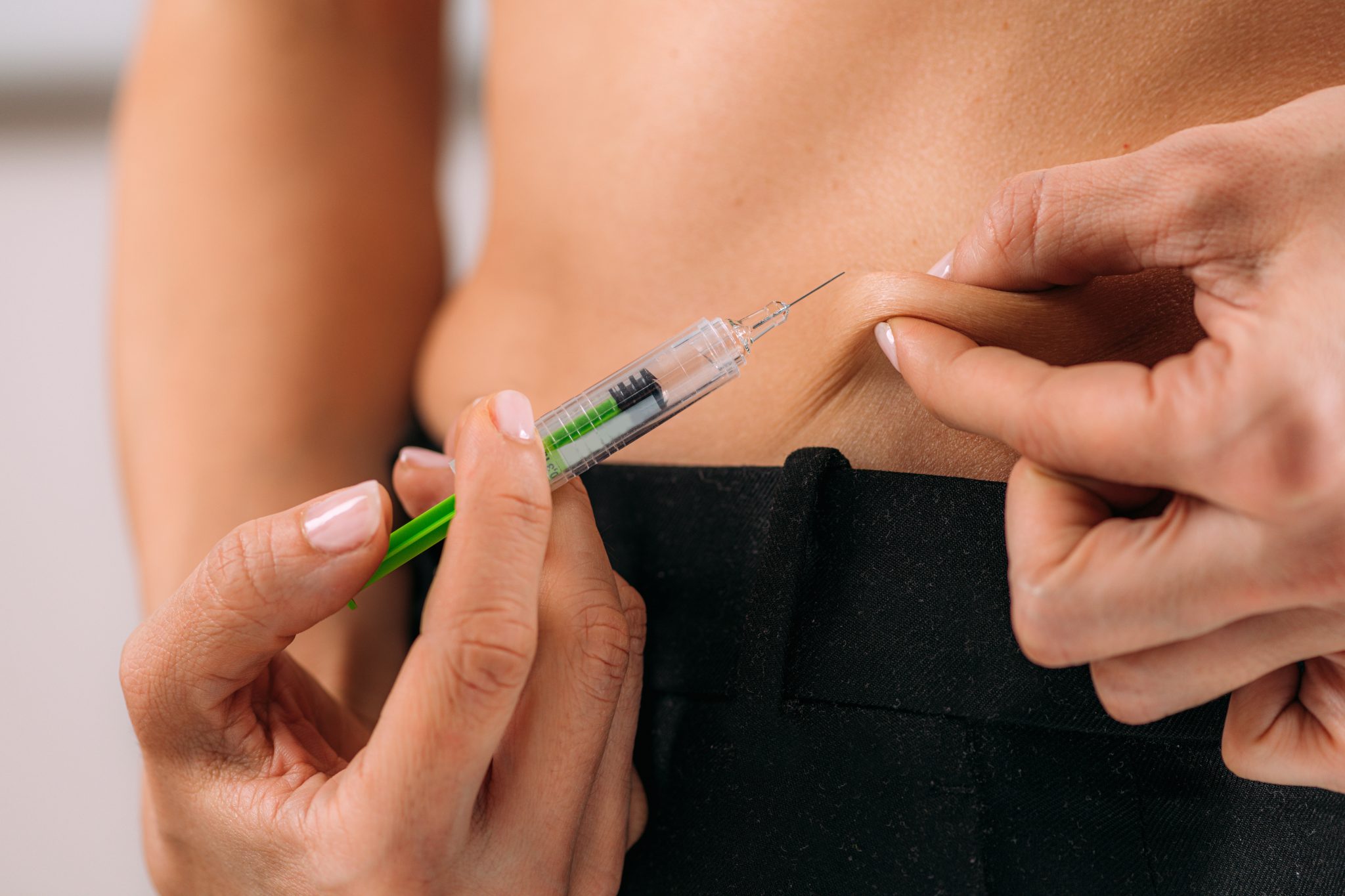
Tirzepatide works by acting on two important hormone pathways in the body: GLP-1 and GIP. These are natural hormones known as incretins. Incretins are released from the gut after you eat, and they help control blood sugar levels and appetite. Most older drugs for type 2 diabetes activate only the GLP-1 pathway. Tirzepatide is different because it activates both the GLP-1 and GIP receptors at the same time. Because of this, it has a “dual-action” effect that can help lower blood sugar and support weight loss more strongly than many single-pathway medications.
To understand how tirzepatide works, it helps to look at what each hormone does and how tirzepatide copies these actions.
Tirzepatide Increases Insulin Release When Blood Sugar Is High
Both GLP-1 and GIP help the pancreas release insulin. Insulin is the hormone that allows sugar from the bloodstream to enter cells, where it can be used for energy. In type 2 diabetes, the body still makes insulin, but it may not be enough, or the body may not respond to it well.
Tirzepatide improves this process by:
- Activating GLP-1 receptors, which tell the pancreas to release more insulin after meals.
- Activating GIP receptors, which also increase insulin release and may help the pancreas respond more normally to rising glucose.
A key feature is that tirzepatide works only when blood sugar levels are high. This helps lower the risk of dangerously low blood sugar, also called hypoglycemia, unless tirzepatide is used with insulin or certain other diabetes drugs.
Tirzepatide Reduces Glucagon Levels
Glucagon is a hormone that raises blood sugar by signaling the liver to release stored sugar. Many people with type 2 diabetes have high glucagon levels, especially after eating, which makes blood sugar rise even more.
Tirzepatide helps by:
- Lowering glucagon release, especially after meals.
- Reducing the liver’s production of glucose, which helps keep blood sugar more stable throughout the day.
The combination of more insulin and less glucagon leads to better blood sugar control after meals and over time.
Tirzepatide Slows Down How Fast the Stomach Empties
GLP-1 naturally slows gastric emptying—the speed at which food leaves the stomach and moves into the intestine. Tirzepatide copies this effect.
This slower movement of food helps in two ways:
- Prevents sudden blood sugar spikes after eating because glucose enters the bloodstream more gradually.
- Makes people feel full longer, which can reduce hunger and lead to fewer calories being eaten during the day.
This is one of the ways tirzepatide supports weight loss.
Tirzepatide Helps Reduce Appetite and Increase Satiety
A major part of tirzepatide’s effect on weight comes from how it influences appetite centers in the brain. Both GLP-1 and GIP receptors are found in areas of the brain that control hunger, cravings, and fullness signals.
By activating these pathways, tirzepatide can:
- Decrease hunger between meals
- Reduce the desire to snack
- Help people feel satisfied after eating smaller amounts
- Lower craving for high-calorie foods
These effects work together to support significant weight loss in many patients.
GIP May Support Fat Metabolism in a Unique Way
While GLP-1 effects are well known, GIP offers some additional benefits. Research suggests that GIP receptor activation may:
- Improve how the body uses stored fat
- Support energy balance
- Enhance the weight-loss effects of GLP-1 activation
This means that the dual action of tirzepatide may produce stronger weight and blood sugar improvements than GLP-1 activation alone.
Why Dual Activation Matters
The strength of tirzepatide comes from the fact that GLP-1 and GIP work together, not separately. When both pathways are activated:
- The body becomes more sensitive to its own insulin.
- The pancreas may work more efficiently.
- Blood sugar rises more slowly after meals.
- Appetite decreases more than with GLP-1 alone.
- Weight loss can be more significant and more sustained.
This “combined effect” is the reason tirzepatide is called a dual incretin agonist or twincretin.
Tirzepatide works by copying the actions of two natural hormones—GLP-1 and GIP. It increases insulin release when blood sugar is high, lowers glucagon, slows digestion, reduces appetite, and may help the body use fat more effectively. The combination of these effects leads to better blood sugar control and significant weight loss for many people. The dual action is what makes tirzepatide different from older drugs that target only one incretin pathway.
What Conditions Is Tirzepatide Approved to Treat?
Tirzepatide is a prescription medicine that works through two hormone pathways, GIP and GLP-1. Because of this dual action, it can help the body control blood sugar and reduce body weight. Today, tirzepatide has two major FDA-approved uses. One is for adults with type 2 diabetes, and the other is for chronic weight management in certain adults who meet specific health criteria. Understanding these approvals helps patients and clinicians know when tirzepatide is appropriate, why it is prescribed, and how it fits into long-term medical care.
Tirzepatide for Type 2 Diabetes (Approved as Mounjaro)
Tirzepatide was first approved by the U.S. Food and Drug Administration (FDA) in 2022 for adults with type 2 diabetes. In this condition, the body does not respond well to insulin or does not make enough insulin. Over time, this leads to high blood sugar levels, which can cause serious health problems such as heart disease, nerve damage, kidney disease, and vision loss. Medicines that help control blood sugar are an important part of diabetes treatment.
Tirzepatide helps lower blood sugar in several ways. It increases insulin release when blood sugar is high, reduces the amount of sugar released by the liver, and slows down digestion so glucose enters the bloodstream more slowly. It also reduces appetite, which can help many people lose weight. Weight loss itself can improve blood sugar control by reducing insulin resistance.
In clinical trials, tirzepatide showed strong results. Patients taking it often reached lower A1C levels than patients taking many older diabetes medicines. A1C is a measure of average blood sugar over three months. Many people were able to lower their A1C below 7%, which is a common treatment goal. Some individuals reached normal A1C ranges. Tirzepatide also helped many people lose weight, which is an added benefit for people with type 2 diabetes.
Because of these results, tirzepatide is considered an effective option when diet, exercise, and other diabetes medicines do not give enough blood sugar control. It can be used alone or with other diabetes treatments. However, it is not approved for type 1 diabetes, because people with type 1 diabetes do not make insulin at all, and tirzepatide cannot replace insulin.
Tirzepatide for Chronic Weight Management (Approved as Zepbound)
Tirzepatide is also FDA-approved for chronic weight management under the brand name Zepbound. This approval is for adults who meet one of these conditions:
- A body mass index (BMI) of 30 or higher (classified as obesity), or
- A BMI of 27 or higher and at least one weight-related health problem, such as high blood pressure, type 2 diabetes, or high cholesterol.
This approval reflects the growing understanding that obesity is not only a lifestyle issue but also a medical condition linked to how the body regulates hunger, metabolism, and energy balance. Medications like tirzepatide can help address these biological factors.
Tirzepatide reduces appetite, increases feelings of fullness, and may help the body use energy more efficiently. In weight-management studies, adults without diabetes lost an average of 15% to more than 20% of their total body weight, depending on the dose. These levels of weight loss are greater than what has been seen with many older medicines for obesity. They are similar to results from some bariatric surgery procedures, though weight-loss medicines and surgery work in different ways.
Because obesity can increase the risk of heart disease, stroke, type 2 diabetes, sleep apnea, and joint problems, weight reduction of this size can offer meaningful long-term health benefits. For this reason, the approval of tirzepatide for weight management represents a major step forward in obesity treatment.
Tirzepatide for weight management is meant to be used along with a reduced-calorie diet and increased physical activity. It is not a short-term “diet drug.” Instead, it is designed for long-term use, as obesity is a chronic condition that often returns when treatment stops. Doctors monitor patients to ensure the medicine is safe, well-tolerated, and effective over time.
Not Approved for Type 1 Diabetes
Tirzepatide is not approved for people with type 1 diabetes. In type 1 diabetes, the pancreas does not produce insulin, and patients must take insulin to survive. Tirzepatide cannot replace insulin, so it is not useful for treating this condition. Studies are ongoing, but current evidence does not support its use in type 1 diabetes.
Other Possible Future Uses (Research Ongoing)
Researchers are also studying tirzepatide for several potential future uses, including:
- Fatty liver disease (NAFLD and NASH)
- Reducing heart-related risks
- Sleep apnea linked to obesity
- Polycystic ovary syndrome (PCOS) with insulin resistance
These uses are not yet approved. More studies are needed before regulators decide whether tirzepatide is safe and effective for these conditions.
Tirzepatide is currently FDA-approved for two main purposes: treating type 2 diabetes and supporting chronic weight management in adults who meet specific BMI and health criteria. It is not approved for type 1 diabetes or other conditions at this time, though research continues. Understanding these approved uses helps patients and clinicians decide whether tirzepatide is the right option for managing blood sugar, supporting weight loss, or improving overall metabolic health.
How Effective Is Tirzepatide for Diabetes Management?
Tirzepatide has shown strong results in improving blood sugar control in people with type 2 diabetes. Much of what we know comes from a group of clinical studies called the SURPASS trials. These trials included thousands of adults around the world and compared tirzepatide with commonly used diabetes medicines, including insulin and GLP-1 receptor agonists. The findings show that tirzepatide can lower A1C, improve fasting and after-meal glucose levels, and reduce the need for additional diabetes drugs in many cases. This section explains these effects in simple and clear terms.
A1C Reduction
A1C is a measurement of a person’s average blood glucose level over the past two to three months. For many adults with type 2 diabetes, the treatment goal is usually an A1C below 7%, though individual targets may vary.
Across the SURPASS studies, tirzepatide produced large and consistent drops in A1C.
- Many participants reached A1C levels below 7% and even below 6%—the normal range for people without diabetes.
- In several trials, the average A1C reduction was about 2% to 2.5%, depending on the dose. These reductions are considered clinically meaningful because every 1% drop in A1C can lower the risk of diabetes-related complications.
- Higher doses (10 mg and 15 mg) resulted in the largest improvements, but even the starting doses provided significant glucose control.
In some studies, more than 80% of participants reached their target A1C when using tirzepatide. This level of response is stronger than what is typically seen with many older diabetes medications.
Fasting Glucose Improvements
Fasting glucose refers to blood sugar levels after not eating for at least eight hours. High fasting glucose is common in people with type 2 diabetes and may be one of the first signs that glucose is not well controlled.
Tirzepatide helped lower fasting glucose by:
- Increasing insulin release when glucose levels are high
- Reducing the liver’s production of glucose
- Improving insulin sensitivity in body tissues
Across trials, fasting glucose decreased by 30 to 40 mg/dL on average. Some participants saw even larger drops. These improvements often began early in treatment, within the first few weeks, and continued as doses increased.
Post-Meal Glucose (Postprandial Glucose) Reduction
Many people with type 2 diabetes struggle with blood sugar spikes after eating. Tirzepatide helps control these spikes through several mechanisms:
- It slows how quickly food leaves the stomach.
- It promotes insulin release in a glucose-dependent way.
- It reduces glucagon, a hormone that raises blood sugar.
Clinical trials showed strong reductions in after-meal glucose levels. This helped many participants keep their glucose levels within a healthier range throughout the day, not just in the morning.
Reduced Need for Additional Diabetes Medications
Because tirzepatide improved glucose control so effectively, many people in the trials did not need to add extra diabetes medications. In fact, tirzepatide was often compared with insulin and performed as well as or better than insulin for glucose lowering—without causing as much weight gain or hypoglycemia.
In some SURPASS studies:
- Tirzepatide lowered A1C more than insulin glargine (a long-acting insulin).
- Participants using tirzepatide often achieved better glucose control while also losing weight, something that insulin does not typically provide.
- Fewer participants needed “rescue therapy,” which is additional medication used when glucose levels stay too high.
These findings suggest that tirzepatide may help delay the need for insulin in some adults with type 2 diabetes.
Benefits Across Different Dose Levels
Tirzepatide is available in several doses, which allows for gradual increases over time. Treatment usually begins at a low dose to reduce side effects and is increased slowly.
Dose-dependent results in trials showed:
- Lower doses improved glucose control enough for many individuals.
- Middle doses provided stronger, more sustained A1C reductions.
- Higher doses (15 mg) produced the greatest improvements in both A1C and weight.
Patients who were not able to reach their A1C goals on other medications often reached them with tirzepatide.
Tirzepatide has shown high effectiveness in diabetes management. It lowers A1C, reduces fasting and after-meal glucose levels, and often removes the need for additional medications. These benefits were consistent across many clinical studies. Tirzepatide works at different dose levels, allowing treatment to be tailored to individual needs. Overall, it provides strong, reliable glucose control for people with type 2 diabetes and is considered one of the most effective medications currently available in its class.

How Effective Is Tirzepatide for Weight Management?
Tirzepatide has gained major attention because of how much weight loss it can help people achieve. It is one of the first medicines to use two incretin pathways—GLP-1 and GIP—to reduce appetite, improve fullness, and support long-term weight control. This section explains what clinical studies have shown, how weight loss differs by dose, and why people with and without diabetes may respond differently.
Overview of the SURMOUNT Trials
The main research on tirzepatide for weight management comes from large clinical studies called the SURMOUNT trials. These studies included thousands of adults with either obesity or overweight. Many participants did not have diabetes, which helped researchers understand how tirzepatide works in the general population.
Across these studies, tirzepatide was given once a week at doses of 5 mg, 10 mg, and 15 mg. Participants were also encouraged to follow a reduced-calorie diet and increase physical activity. This combination helped researchers see the true effect of the medication.
The findings showed that tirzepatide produced meaningful and dose-dependent weight loss. In simple terms, this means that higher doses of the drug usually led to greater weight loss.
Average Weight-Loss Outcomes
The average weight loss varied by dose level:
- 5 mg dose: Many people lost around 15% of their body weight.
- 10 mg dose: Weight loss often reached 20% of body weight.
- 15 mg dose: Some participants lost 22% or more of their body weight, which is a level once seen only after bariatric surgery.
These results are some of the highest ever reported for a weight-management medicine. For example, a person weighing 250 pounds might lose 50 pounds on the 20% average, or even more at the highest dose.
It is important to note that results can vary. Not everyone loses the same amount, and weight-loss speed also differs from person to person. Still, the averages seen in these studies are much higher than those with most other medications for obesity.
How Tirzepatide Causes Weight Loss
Tirzepatide works through several connected actions:
- Lower Appetite: The medicine affects areas of the brain that control hunger, helping people feel full more easily.
- Higher Satiety: Meals feel more satisfying, so people may eat fewer calories without feeling deprived.
- Slower Gastric Emptying: The stomach empties more slowly, which helps keep appetite lower between meals.
- Better Hormone Control: Tirzepatide improves insulin and glucagon levels, which supports better energy use and fat burning.
These actions work together to create steady, long-term weight reduction.
Weight Loss in People With and Without Diabetes
People without diabetes often lose more weight than those with diabetes. This is a pattern seen with GLP-1 medicines in general. In the tirzepatide studies:
- Participants without diabetes often reached the highest average weight loss.
- Participants with type 2 diabetes still lost significant amounts of weight, but usually 5–6% less on average than those without diabetes.
Researchers believe this difference may be due to several factors, including differences in metabolism, insulin resistance, and medication needs.
Clinical Importance of Reaching Key Weight-Loss Targets
Doctors often look at certain weight-loss milestones to measure health benefits:
- 5% weight loss can improve blood pressure and cholesterol.
- 10% weight loss often leads to better blood sugar control and lower inflammation.
- 15% or more can improve sleep apnea, fatty liver disease, and joint pain.
- 20%+ may offer benefits similar to surgical weight-loss procedures for some individuals.
Because many tirzepatide users reach these levels, experts see the medication as a major step forward in obesity treatment.
Why Dose Matters
Tirzepatide doses are increased slowly over several weeks. Higher doses offer stronger weight-loss effects because they activate both the GLP-1 and GIP receptors more fully. However, higher doses may also cause more stomach-related side effects such as nausea or fullness. For this reason, dose selection should always be guided by a healthcare provider.
Tirzepatide has shown some of the most powerful weight-loss results ever reported for a medication. In large studies, many people lost 15–22% of their body weight, depending on the dose. People without diabetes tended to lose slightly more weight than those with diabetes, but both groups experienced important health improvements. Tirzepatide works by lowering appetite, increasing fullness, slowing digestion, and improving metabolic hormone activity. These effects combine to support long-term, meaningful weight reduction.
What Are the Common and Serious Side Effects?
Tirzepatide, like many medicines used for diabetes and weight management, can cause side effects. Most people tolerate the medication well, especially once their dose is slowly increased. However, it is important to understand what to expect, why these effects happen, and when to speak with a healthcare provider. This section explains the common, less common, and serious side effects in clear detail.
Common Gastrointestinal Side Effects
The most frequent side effects of tirzepatide involve the stomach and intestines—also called the gastrointestinal (GI) system. These include:
- Nausea
- Vomiting
- Diarrhea
- Constipation
- Stomach discomfort or gas
- Loss of appetite
These symptoms are often mild to moderate. Many occur when starting the medication or after increasing the dose. This happens because tirzepatide works by activating GLP-1 and GIP receptors, which slow how fast food moves through the stomach. When the stomach empties more slowly, some people feel full faster, feel bloated, or feel queasy.
Most GI symptoms improve within a few days or weeks as the body adjusts. Healthcare providers usually start patients on a low dose and increase it gradually. This slow increase helps reduce nausea and other stomach-related issues.
To manage these symptoms, doctors may suggest:
- Eating smaller meals
- Avoiding high-fat or greasy foods
- Drinking water regularly
- Pausing dose increases if symptoms are strong
If vomiting is severe or lasts for more than a day, patients should contact their healthcare provider to prevent dehydration.
Why Gastrointestinal Symptoms Are So Common
The GLP-1 pathway naturally slows stomach movement and increases the feeling of fullness. Tirzepatide is a dual agonist, meaning it acts on two incretin pathways—GLP-1 and GIP. Because of this strong effect, the digestive system has to adjust at the start of treatment. These effects are not signs of damage. They simply reflect the way the medicine changes the body’s metabolic signaling.
Appetite Reduction
Many patients also notice a drop in appetite. This is expected. Tirzepatide affects brain centers related to hunger and fullness. It helps lower calorie intake, which is one reason for weight loss. While this is useful for treatment, people must still eat enough to maintain health, especially protein and fluids.
Potentially Serious Side Effects
While most side effects are mild, some rare but serious risks have been reported. Patients should be aware of these so they can seek care quickly if needed.
Pancreatitis
Pancreatitis means inflammation of the pancreas. Symptoms may include:
- Severe stomach pain that spreads to the back
- Nausea and vomiting
- Pain that gets worse after eating
Pancreatitis is uncommon, but it is a known risk with incretin-based drugs. Anyone with these symptoms should stop the medication and seek urgent medical care.
Gallbladder Problems
Some people may develop gallstones or inflammation of the gallbladder. Signs include:
- Sharp pain on the right side of the belly
- Fever
- Yellowing of the skin or eyes
Rapid weight loss may also raise the risk of gallstones, so monitoring is important.
Severe Dehydration
Vomiting or diarrhea can lead to dehydration if fluids are not replaced. Warning signs include weakness, dizziness, or very dark urine. Drinking enough water is essential, especially when symptoms occur.
Hypoglycemia (Low Blood Sugar)
Tirzepatide rarely causes low blood sugar on its own. However, the risk increases if it is taken with:
- Insulin
- Sulfonylureas (such as glipizide or glyburide)
Symptoms include shaking, sweating, hunger, and confusion. Patients using these medications together must monitor their glucose more closely.
Kidney Problems
Dehydration from vomiting or diarrhea may temporarily worsen kidney function. People with existing kidney disease should report any changes in urination or strong nausea.
Thyroid C-Cell Tumor Warning
Studies in rodents showed an increased risk of a specific type of thyroid tumor. This has not been proven in humans, but tirzepatide is not recommended for people with a personal or family history of:
- Medullary thyroid carcinoma (MTC)
- Multiple Endocrine Neoplasia syndrome type 2 (MEN 2)
Patients should report any neck swelling, trouble swallowing, or voice changes.
Monitoring and Safety Tips
Healthcare providers may check:
- Kidney function
- Blood sugar levels
- Digestive symptoms
- Weight changes
- Signs of pancreatitis or gallbladder problems
Patients should openly communicate any new or lasting symptoms.
Tirzepatide can cause a range of side effects, most often involving the stomach and appetite. These symptoms usually improve over time and can often be managed with simple changes like smaller meals and slow dose increases. While serious side effects are rare, they can occur, and patients should know the warning signs. By staying aware of symptoms and keeping regular contact with a healthcare provider, most people can use tirzepatide safely and effectively.
Tirzepatide Dosing: How It Is Started, Titrated, and Maintained
Tirzepatide dosing follows a step-by-step schedule that increases slowly over time. This slow and steady rise in dose helps the body adjust and lowers the chance of stomach-related side effects. Understanding how dosing works can help patients and healthcare providers work together to find the right plan.
Starting Dose: The First Step
Tirzepatide always begins with a low starting dose of 2.5 mg once a week. This dose is not meant to control blood sugar or cause major weight loss on its own. Instead, it helps the body get used to the medication. Starting low reduces the chance of nausea, vomiting, or diarrhea, which are the most common early side effects.
The injection is taken once every 7 days, on the same day each week. It can be taken with or without food, and at any time of day. What matters most is consistency.
Titration: How the Dose Goes Up Over Time
After the first four weeks on 2.5 mg, the dose is increased. This step is known as titration. Titration allows the body to adjust at a comfortable pace.
The schedule usually looks like this:
- Weeks 1–4: 2.5 mg once weekly
- Weeks 5–8: 5 mg once weekly
- Weeks 9–12: 7.5 mg once weekly
- Weeks 13–16: 10 mg once weekly
- Weeks 17–20: 12.5 mg once weekly
- Week 21 and beyond: 15 mg once weekly (if needed)
Not every patient reaches the highest dose. Many achieve good results at 5 mg, 7.5 mg, or 10 mg. The right dose depends on the condition being treated, how well the patient responds, and how well the body tolerates the medication.
Why Titration Matters
Tirzepatide acts on two incretin receptors, which can slow stomach emptying and change appetite signals. These effects help improve blood sugar and support weight loss, but they can also cause digestive symptoms.
Increasing the dose slowly helps:
- Reduce nausea
- Prevent vomiting
- Lower the chance of diarrhea
- Improve long-term comfort
- Allow the patient to stay on the medication longer
Patients should tell their healthcare provider if side effects become hard to manage. Sometimes staying at the same dose for a longer period helps the body adjust before moving to the next step.
Target and Maintenance Doses
The maintenance dose is the dose a patient stays on long-term. For type 2 diabetes, many people take 5 mg or 10 mg weekly. For weight management, higher doses, such as 10 mg to 15 mg, often produce stronger effects.
Maintenance doses depend on:
- Blood sugar goals
- Weight goals
- Side effects
- Personal preference
- Other medications being taken
There is no single “best” dose for everyone. The goal is to find the dose that gives the best benefits with the fewest side effects.
How the Injection Is Given
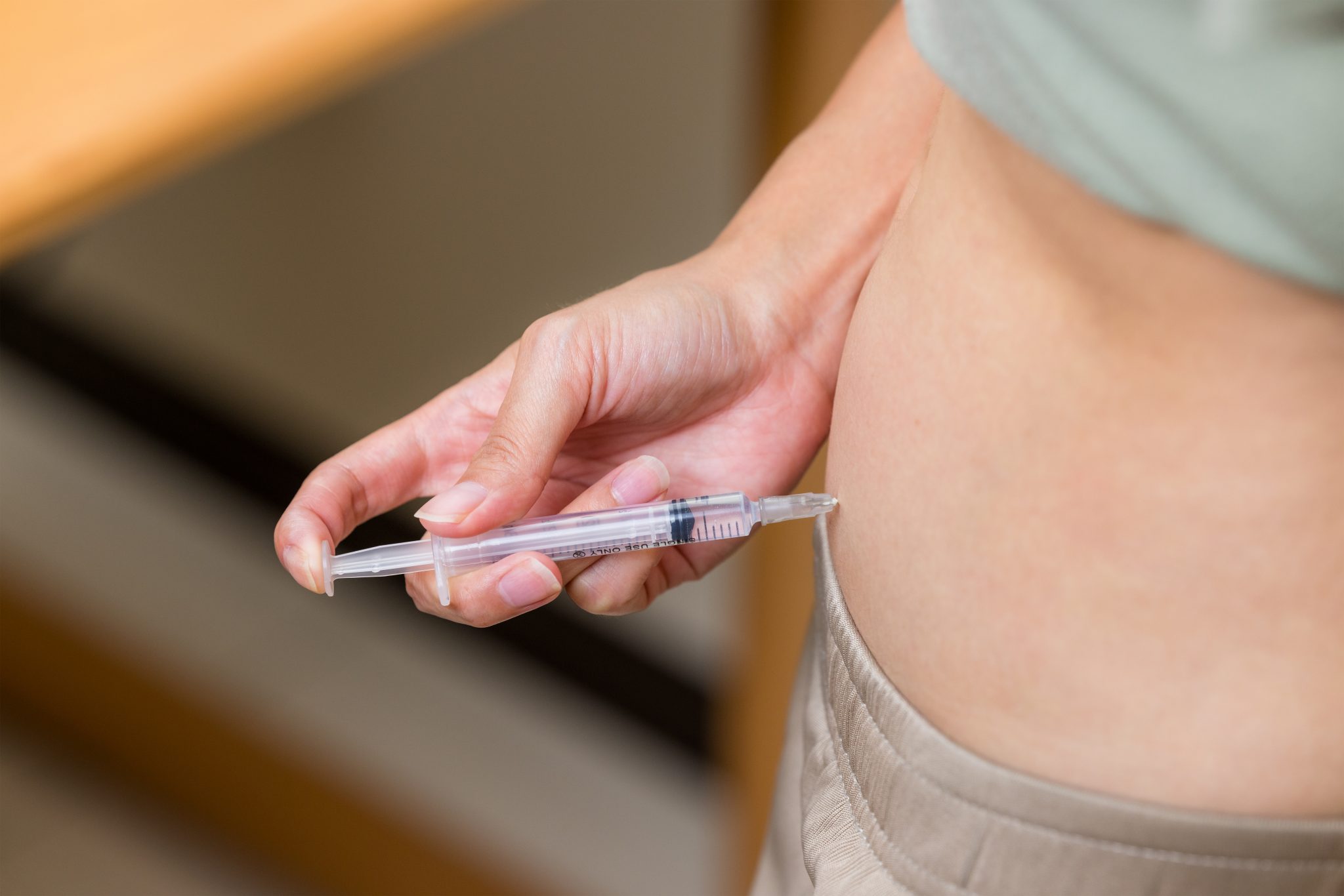
Tirzepatide comes in a pre-filled, single-use injection pen. The needle is built into the device, so patients never have to handle or attach a needle themselves.
The injection is given into the:
- Abdomen
- Thigh
- Upper arm (if someone else gives the injection)
Important tips:
- Rotate injection sites each week to avoid irritation.
- Do not inject into swollen, bruised, or tender areas.
- Keep the pen at room temperature for about 30 minutes before use to reduce discomfort.
Storage Instructions
Correct storage keeps the medication safe and effective.
- Store in the refrigerator until use.
- Do not freeze.
- Pens may be kept at room temperature for a short time (check the product instructions for exact limits).
- Keep the pen capped until ready to use.
If the pen has been dropped, overheated, or appears damaged, do not use it.
What to Do If a Dose Is Missed
If a patient forgets a dose, the general rule is:
- Take it as soon as possible within 4 days (96 hours) of the missed dose.
- If more than 4 days have passed, skip the missed dose and take the next one at the usual time.
Patients should not take two doses in the same week.
When to Adjust or Delay Dosing
Healthcare providers may delay a dose increase if:
- Side effects are severe
- The patient has a temporary illness
- There are concerns about dehydration
- The patient is starting a new medication that affects digestion
Slower titration is common and is not harmful. Comfort and safety are more important than reaching the highest dose quickly.
Tirzepatide dosing begins low, increases slowly, and is personalized to each patient. The starting dose helps the body adjust, while step-by-step titration helps limit digestive side effects. Many patients do well with middle-range doses, but some benefit from higher ones. Correct injection technique, consistent weekly timing, and proper storage all help ensure that tirzepatide works safely and effectively. By following the dosing plan and staying in close contact with a healthcare provider, patients can reach better blood sugar control, improved weight management, and long-term treatment success.
How Does Tirzepatide Compare With Other Incretin Drugs?
Tirzepatide is often compared with other incretin-based medicines because they all work on some of the same hormone pathways in the body. However, tirzepatide has several unique features that set it apart. Understanding these differences can help patients and healthcare providers make informed decisions about diabetes and weight-management treatment.
Differences in Drug Class and Mechanism
Most medications in this category are GLP-1 receptor agonists. GLP-1 is a natural hormone that helps control blood sugar, reduces appetite, and slows digestion. Drugs like semaglutide, liraglutide, and dulaglutide activate only the GLP-1 receptor.
Tirzepatide is different. It activates two receptors at the same time:
- GLP-1 receptor
- GIP (glucose-dependent insulinotropic polypeptide) receptor
Because of this, tirzepatide is called a dual incretin agonist. Some researchers refer to it as a “twincretin.”
Why the GIP pathway matters
GIP is another hormone involved in glucose control and appetite regulation. On its own, GIP does not provide strong benefits in people with type 2 diabetes. But when combined with GLP-1 signaling, GIP seems to help the body respond better to insulin, handle meals more efficiently, and support weight reduction.
What dual activation means for patients
Because tirzepatide engages two different hormone systems, it can:
- Improve blood sugar control more strongly
- Support greater weight loss
- Reduce appetite more effectively
- Influence how the body uses stored energy
This makes tirzepatide different from GLP-1 drugs that only act on one hormone pathway.
Differences in Effectiveness for Diabetes Control
Several large clinical trials have compared tirzepatide to popular GLP-1 drugs. These studies showed that tirzepatide often leads to larger drops in A1C than GLP-1 medications alone.
Blood sugar improvement
Tirzepatide can reduce A1C by:
- 2.0% to 2.4% on average in many studies
- Even greater reductions at higher doses
In contrast, most GLP-1 drugs lower A1C by about 1.0% to 1.8%.
What this means
For many patients, this stronger A1C lowering may reduce the need for additional diabetes medications. Some trials even reported that a number of patients reached near-normal blood sugar levels, something less common with older incretin drugs.
Differences in Weight-Loss Results
One of the most noticeable differences between tirzepatide and GLP-1 drugs is the amount of weight loss they can produce.
Typical weight loss
Clinical studies show:
- Tirzepatide: Up to 20% or more total body weight loss at higher doses
- GLP-1 drugs: Around 10% to 15% for the strongest agents
This means tirzepatide can help some patients lose almost twice as much weight as older incretin medicines.
Why weight loss is stronger
Experts believe the dual action on both GIP and GLP-1 receptors creates a more powerful effect on:
- Reducing hunger
- Increasing feelings of fullness
- Supporting healthier eating patterns
- Improving metabolic efficiency
Because of these combined effects, tirzepatide has become a significant option for long-term weight-management therapy.
Differences in Tolerability and Side Effects
Tirzepatide and GLP-1 medications share many side effects because both influence digestion and appetite. The most common ones include:
- Nausea
- Vomiting
- Diarrhea or constipation
- Decreased appetite
Are side effects stronger with tirzepatide?
For many people, side effects are similar to those seen with GLP-1 drugs. Some patients do experience digestive symptoms more strongly when doses increase, but this often improves over time.
Both types of medications carry FDA warnings about:
- Possible pancreatitis
- Gallbladder problems
- Risk of dehydration from vomiting or diarrhea
Both also have a boxed warning about thyroid C-cell tumors in animal studies. This has not been proven in humans but still requires caution.
How Tirzepatide Fits Into the Incretin Therapy Landscape
Tirzepatide represents the next generation of incretin therapy. While GLP-1 drugs have been available for many years, tirzepatide introduces a new approach by targeting two metabolic hormone systems at once. Because of this, many healthcare providers consider tirzepatide when:
- Stronger blood sugar lowering is needed
- Patients prefer a single weekly injection
- Significant weight loss is an important part of treatment
- GLP-1 medications alone do not provide enough benefit
Tirzepatide does not replace GLP-1 drugs, but it expands the available options and gives clinicians more tools for personalized care.
Tirzepatide differs from other incretin medicines because it activates both GIP and GLP-1 receptors, not just one. This dual action leads to greater improvements in blood sugar, stronger weight loss, and a metabolic effect that goes beyond traditional GLP-1 treatments. Side effects are similar, with digestive symptoms being the most common. Overall, tirzepatide offers a powerful new choice for people managing type 2 diabetes or obesity, especially when more robust results are desired.
Who Is a Candidate for Tirzepatide, and What Should Patients Discuss With Their Healthcare Provider?
Tirzepatide can be an effective treatment for people living with type 2 diabetes or obesity, but it is not the right choice for everyone. Understanding who may benefit—and who should avoid it—is important for safe and successful treatment. This section explains which patients are good candidates, medical conditions that need special attention, and what people should talk about with their healthcare provider before starting tirzepatide.
Who May Be a Good Candidate for Tirzepatide?
Adults with Type 2 Diabetes
Tirzepatide is approved to help adults manage type 2 diabetes. It can help lower blood sugar, improve A1C levels, reduce appetite, and support weight loss. People with type 2 diabetes who still have high blood sugar despite using other medications may benefit from tirzepatide. It may also be helpful for those who want to reduce the number of medicines they take by switching to a single weekly injection.
Adults with Obesity or Overweight + a Health Condition
Tirzepatide is also approved for chronic weight management in adults who meet one of these criteria:
- BMI of 30 or higher (obesity), or
- BMI of 27 or higher with a weight-related condition, such as high blood pressure, high cholesterol, or type 2 diabetes
For these individuals, tirzepatide may help with long-term weight reduction and improve other metabolic problems.
People Who Have Tried Lifestyle Changes but Need More Help
Many people follow diet and exercise advice but still struggle to lose weight or control blood sugar. Tirzepatide may help by reducing hunger, increasing fullness, and improving how the body uses insulin.
Who Should Not Use Tirzepatide?
People with Certain Thyroid Conditions
Tirzepatide should not be used by anyone with:
- A personal or family history of medullary thyroid carcinoma (MTC)
- Multiple Endocrine Neoplasia syndrome type 2 (MEN 2)
This warning comes from animal studies that showed an increased risk of certain thyroid tumors. While this risk has not been proven in humans, doctors avoid using it in people who may be more sensitive to thyroid problems.
People with Type 1 Diabetes
Tirzepatide is not approved for type 1 diabetes because people with this condition do not produce insulin, and tirzepatide cannot replace that need.
People Who Have Had Severe Allergic Reactions to the Drug
Anyone who has experienced swelling, rash, trouble breathing, or other allergic reactions to tirzepatide or its ingredients should not take it again.
Conditions That Require Careful Evaluation
Some people may still use tirzepatide but need closer monitoring or special instructions.
History of Pancreatitis
Pancreatitis is inflammation of the pancreas. Incretin-based drugs like tirzepatide have been linked to rare cases. People with past pancreatitis should discuss risks and warning signs with their doctor.
Gallbladder Disease
Fast weight loss, which can occur with tirzepatide, may increase the chance of gallstones. People with gallbladder issues may need extra monitoring.
Gastrointestinal Problems
Tirzepatide slows stomach emptying. People with severe stomach disorders, like gastroparesis, may not tolerate it well.
Kidney Problems
Dehydration from vomiting or diarrhea can make kidney function worse. Those with kidney disease should report any stomach symptoms early so they can avoid complications.
Taking Insulin or Sulfonylureas
These drugs lower blood sugar. When combined with tirzepatide, the risk of hypoglycemia can increase. A healthcare provider may need to adjust doses.
What Patients Should Discuss With Their Healthcare Provider
Before starting tirzepatide, patients should have a clear conversation about:
Treatment Goals
- Lowering A1C
- Losing weight
- Reducing hunger
- Improving blood sugar after meals
Understanding goals helps set realistic expectations.
Other Medications
Doctors need to know all prescriptions, over-the-counter medicines, vitamins, and supplements to check for interactions.
Past Medical History
This should include pancreas issues, thyroid problems, gallbladder disease, stomach disorders, kidney function, and any history of allergic reactions.
Possible Side Effects
Patients should know what to expect, such as nausea, vomiting, or decreased appetite, and when to seek help.
Lifestyle Plans
Tirzepatide works best when combined with healthy eating, regular physical activity, and long-term behavior changes. A doctor may recommend seeing a dietitian or diabetes educator.
Tirzepatide can be a powerful tool for adults with type 2 diabetes or obesity, especially when other treatments have not worked well. However, it is not safe or appropriate for everyone. Conditions like thyroid cancer history, pancreatitis, severe stomach problems, and certain medication interactions require careful consideration. Before starting tirzepatide, patients should talk openly with their healthcare provider about their medical history, treatment goals, and potential risks. This helps ensure that tirzepatide is used safely and gives each person the best chance of success.
Conclusion: The Evolving Role of Tirzepatide in Metabolic Medicine
Tirzepatide represents a major step forward in how we treat metabolic conditions such as type 2 diabetes and obesity. It belongs to a unique drug class because it works on two incretin hormone receptors at the same time: the GLP-1 receptor and the GIP receptor. This dual action is the main reason it can create stronger effects on blood sugar control and weight loss than earlier incretin-based medicines. Understanding this drug class is important because it helps explain why tirzepatide works the way it does and why it may benefit people who have struggled with other treatments.
The combined activation of GLP-1 and GIP receptors allows tirzepatide to address several metabolic problems at once. It helps the pancreas release more insulin when blood sugar is high, lowers glucagon levels, slows how fast the stomach empties, and reduces appetite. These actions work together to improve daily blood sugar patterns and support steady, meaningful weight loss. Many people with type 2 diabetes also live with overweight or obesity, so a medication that treats both conditions at the same time can have a strong, positive effect on long-term health. Clinical trials have shown that tirzepatide can lower A1C levels by impressive amounts and help patients reach weight-loss goals that were difficult to achieve with older medications.
Safety is an important part of understanding tirzepatide’s role in care. Like other drugs that act on incretin pathways, it can cause nausea, vomiting, diarrhea, or constipation, especially when treatment first begins or when the dose increases. These effects usually improve over time, and slow dose increases are used to make the medicine easier to tolerate. Serious risks such as pancreatitis, gallbladder disease, dehydration, or thyroid C-cell tumors are rare, but it is still important for patients and healthcare providers to discuss personal risk factors before starting treatment. People who use insulin or sulfonylureas may have a higher chance of low blood sugar when these drugs are taken together with tirzepatide, so careful monitoring and possible dose adjustments are needed.
Tirzepatide’s approval for type 2 diabetes and chronic weight management shows how the field of metabolic medicine is changing. It is uncommon for a single medication to be highly effective for two related but distinct medical conditions. For many years, diabetes treatments focused mostly on blood sugar. Weight management treatments existed but were often less effective or difficult to continue long term. Tirzepatide links these two areas by addressing the hormonal pathways that influence both glucose control and appetite. This combined effect explains why many experts believe dual-incretin therapy may guide future drug development.
This medication also highlights how personalized care is becoming more important. Not every person will respond to tirzepatide in the same way, and not everyone will be a good candidate for treatment. Factors such as medical history, past reactions to incretin drugs, use of other diabetes medications, and overall health goals all play a role. When used correctly and with good clinical guidance, tirzepatide can help people achieve results that were once difficult to reach with lifestyle changes or older medications alone. It also encourages healthcare providers to look at metabolic conditions as interconnected processes rather than separate problems.
Research on tirzepatide continues, and more information will appear in the coming years. Studies are exploring whether it may help with conditions related to obesity, such as fatty liver disease or cardiovascular risk. Other trials are examining long-term safety and how people respond after many years of use. As this evidence grows, it may lead to more uses for tirzepatide or the development of new medications that work in similar ways. What is already clear is that tirzepatide has expanded the possibilities for treating metabolic disease and has introduced a new class of therapy centered on dual-incretin action.
In summary, tirzepatide’s unique drug class, strong clinical effects, and growing body of research make it a major part of modern metabolic medicine. It shows how targeting two incretin pathways can provide better blood sugar control and significant weight loss, while also offering a new direction for future treatments. Though it is not right for everyone, and careful monitoring is needed, tirzepatide gives patients and clinicians an important new tool with the potential to change long-term health outcomes.
Research Citations
Frias, J. P., Nauck, M. A., Van, J., Kutner, M. E., Cui, X., Benson, C., Urva, S., Gimeno, R. E., Milicevic, Z., Robins, D., & Haupt, A. (2018). Efficacy and safety of LY3298176, a novel dual GIP and GLP-1 receptor agonist, in patients with type 2 diabetes: A randomised, placebo-controlled and active comparator-controlled phase 2 trial. The Lancet, 392(10160), 2180–2193. DOI: 10.1016/S0140-6736(18)32260-8
Rosenstock, J., Wysham, C., Frías, J. P., Kaneko, S., Lee, C. J., Fernández Landó, L., Mao, H., Cui, X., Karanikas, C. A., & Thieu, V. T. (2021). Efficacy and safety of a novel dual GIP and GLP-1 receptor agonist tirzepatide in patients with type 2 diabetes (SURPASS-1): A double-blind, randomised, phase 3 trial. The Lancet, 398(10295), 143–155. DOI: 10.1016/S0140-6736(21)01324-6
Frías, J. P., Davies, M. J., Rosenstock, J., Pérez Manghi, F. C., Fernández Landó, L., Bergman, B. K., Liu, B., Cui, X., & Brown, K. (2021). Tirzepatide versus semaglutide once weekly in patients with type 2 diabetes. The New England Journal of Medicine, 385(6), 503–515. DOI: 10.1056/NEJMoa2107519
Jastreboff, A. M., Aronne, L. J., Ahmad, N. N., Wharton, S., Connery, L., Alves, B., Kiyosue, A., Zhang, S., Liu, B., Bunck, M. C., & Stefanski, A. (2022). Tirzepatide once weekly for the treatment of obesity. The New England Journal of Medicine, 387(3), 205–216. DOI: 10.1056/NEJMoa2206038
Nauck, M. A., & D’Alessio, D. A. (2022). Tirzepatide, a dual GIP/GLP-1 receptor co-agonist for the treatment of type 2 diabetes with unmatched effectiveness regarding glycaemic control and body weight reduction. Cardiovascular Diabetology, 21, Article 169. DOI: 10.1186/s12933-022-01604-7
Scheen, A. J. (2023). Dual GIP/GLP-1 receptor agonists: New advances for treating type-2 diabetes. Annales d’Endocrinologie (Paris), 84(2), 316–321. DOI: 10.1016/j.ando.2022.12.423
Sattar, N., McGuire, D. K., Pavo, I., Weerakkody, G. J., Nishiyama, H., Wiese, R. J., Zoungas, S., Arnott, C., O’Neil, A., Lopes, R. D., Kramer, C. K., Pratley, R., & Rosenstock, J. (2022). Tirzepatide cardiovascular event risk assessment: A pre-specified meta-analysis. Nature Medicine, 28(3), 591–598. DOI: 10.1038/s41591-022-01707-4
Cho, Y. K., Lee, Y. L., & Jung, C. H. (2023). The cardiovascular effect of tirzepatide: A glucagon-like peptide-1 and glucose-dependent insulinotropic polypeptide dual agonist. Journal of Lipid and Atherosclerosis, 12(3), 213–222. DOI: 10.12997/jla.2023.12.3.213
Hankosky, E. R., Lebrec, J., Lee, C. J., Dimitriadis, G. K., Jouravskaya, I., Stefanski, A., & Garvey, W. T. (2025). Tirzepatide and the 10-year predicted risk of cardiovascular disease and type 2 diabetes in adults with obesity and prediabetes: A post hoc analysis from the three-year SURMOUNT-1 trial. Diabetes, Obesity and Metabolism, 27(12), 7385–7394. DOI: 10.1111/dom.70143
Packer, M., Zile, M. R., Kramer, C. M., DiMaria, J. M., Baum, S. J., Litwin, S. E., Murakami, M., Zhou, C., Ou, Y., Koeneman, L., & Borlaug, B. A. (2025). Influence of type 2 diabetes on the effects of tirzepatide in patients with heart failure and a preserved ejection fraction with obesity: A prespecified stratification-based analysis (SUMMIT). Journal of the American College of Cardiology, 86(10), 696–707. DOI: 10.1016/j.jacc.2025.06.058
Questions and Answers: Tirzepatide Drug Class
Tirzepatide belongs to the class of dual GIP (glucose-dependent insulinotropic polypeptide) and GLP-1 (glucagon-like peptide-1) receptor agonists.
Unlike traditional GLP-1 agonists, tirzepatide activates both GIP and GLP-1 receptors, producing greater effects on glucose control and weight reduction.
Tirzepatide is primarily used to improve glycemic control in adults with type 2 diabetes.
Yes. Tirzepatide has demonstrated significant weight-loss effects and is also approved for chronic weight management under certain brand names.
Tirzepatide is given as a once-weekly subcutaneous injection.
It enhances insulin secretion, reduces glucagon, slows gastric emptying, and increases satiety, improving blood glucose control.
Common side effects include nausea, vomiting, diarrhea, decreased appetite, and constipation.
Tirzepatide has a low inherent risk of hypoglycemia, but the risk increases when combined with insulin or sulfonylureas.
Tirzepatide typically leads to substantial, dose-dependent weight loss.
Contraindications include a personal or family history of medullary thyroid carcinoma, MEN2, and hypersensitivity to tirzepatide or its components.

Dr. Jay Flottman
Dr. Jay Flottmann is a physician in Panama City, FL. He received his medical degree from University of Texas Medical Branch and has been in practice 21 years. He is experienced in military medicine, an FAA medical examiner, human performance expert, and fighter pilot.
Professionally, I am a medical doctor (M.D. from the University of Texas Medical Branch at Galveston), a fighter pilot (United States Air Force trained – F-15C/F-22/AT-38C), and entrepreneur.